
Ken Russell’s 1975 film of The Who’s 1969 rock opera
Ken Russell’s Tommy hit cinemas in 1975 as a loud, color-saturated adaptation of The Who’s 1969 rock opera. Pete Townshend had written the original album after a period of spiritual searching, folding childhood trauma, Messianic imagery, and pinball into a story about a deaf, mute, and blind boy who becomes a cult figure. On record it turned The Who from Mod singles act into concept-album heavyweights. On screen, Russell refused polite illustration. He pushed every set piece harder: Ann-Margret in baked beans, Elton John as the Pinball Wizard on towering boots, Tina Turner as the Acid Queen.
Townshend re-recorded the score for the film with The Who and guests. Eric Clapton, Tina Turner, and Jack Nicholson took roles; Roger Daltrey played Tommy with a physical, almost plain presence inside Russell’s chaos. The plot still tracks the boy’s trauma, fame, and backlash, but the movie sells sensation first: Marshall stacks, mirrored rooms, and crowd scenes cut to the songs. Growing up on Beatles and Hendrix records, then waking into Nixon-era fatigue, the film’s audience already knew the album; Russell gave them excess instead of fidelity notes.
Spiritually, Townshend’s Meher Baba interest and therapy-era talk leak into the script, filtered through British camp. The film is not gentle, and neither was mid-70s pop culture when it arrived. That mismatch is part of why it still feels of its year rather than timelessly polite.
Tommy is a bold, imaginative, and sometimes stunning attempt to visualize the Who’s rock opera of the same name.
(Vincent Canby, New York Times, 1975)
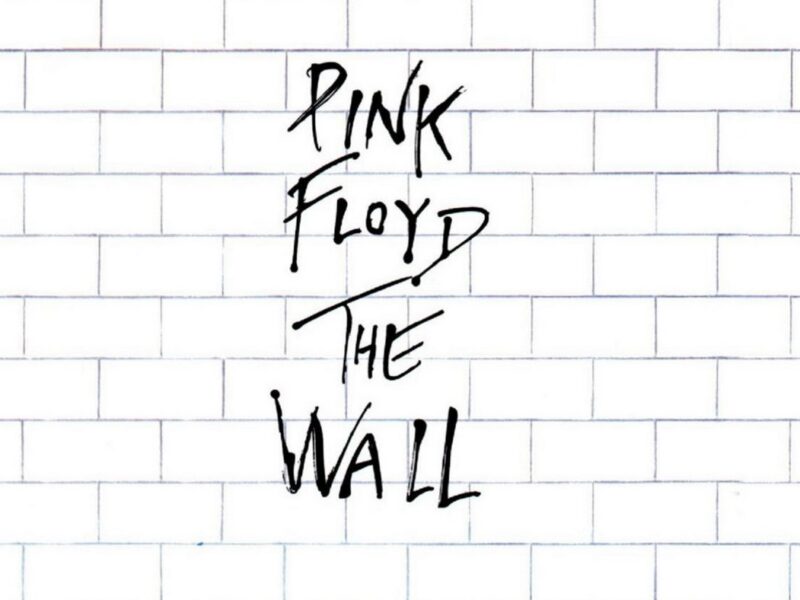
The songs carry the film. Amazing Journey, I’m Free, and Pinball Wizard do not sit under dialogue as wallpaper; Russell builds sequences around their tempos and riffs. Tommy made money, split critics, and widened what a rock film could look like before Alan Parker’s Pink Floyd – The Wall and later glam-period pieces such as Velvet Goldmine. It locked The Who’s opera into pop memory as images as much as vinyl. Absurd and moral at once, the movie left a practical inheritance: rock cinema that treats the album as a shooting script, not a soundtrack afterthought.