Mods, Marshall stacks, and rock opera from Shepherd’s Bush
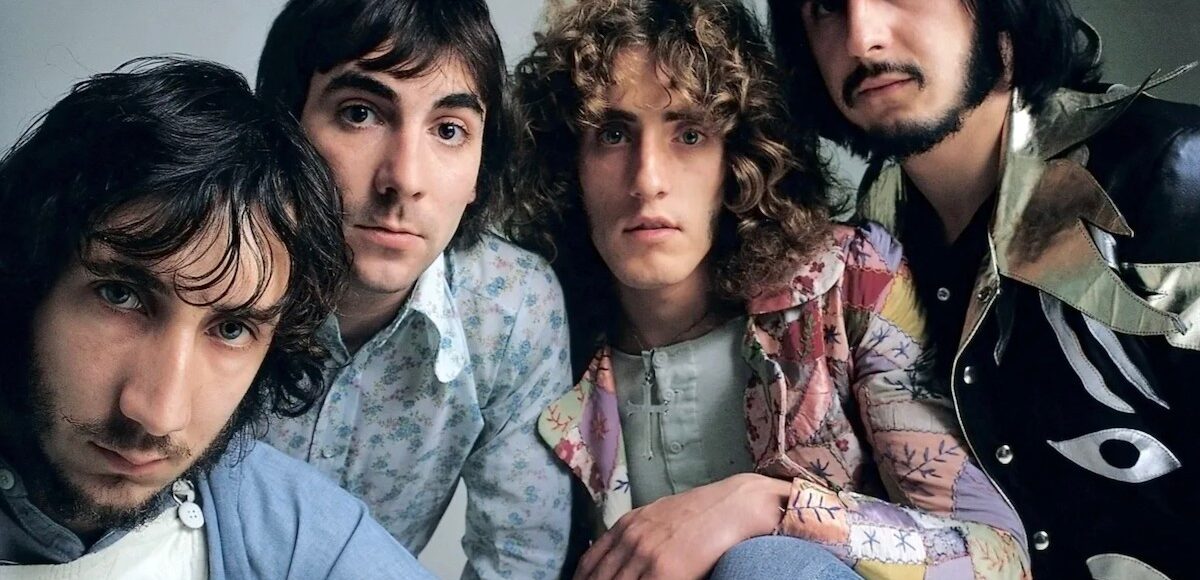
The Who began as The Detours in west London pubs, then locked the classic lineup: Pete Townshend on guitar, Roger Daltrey on vocals, John Entwistle on bass, Keith Moon on drums. Early gigs were too loud for the rooms. Townshend’s smashed guitars started as frustration as much as theater. Moon did not keep time so much as attack it. Suits and cufflinks met Mod fashion and volume that frightened landlords. By the mid-60s they were a London live problem other bands had to answer, not a polite beat group in matching jackets.
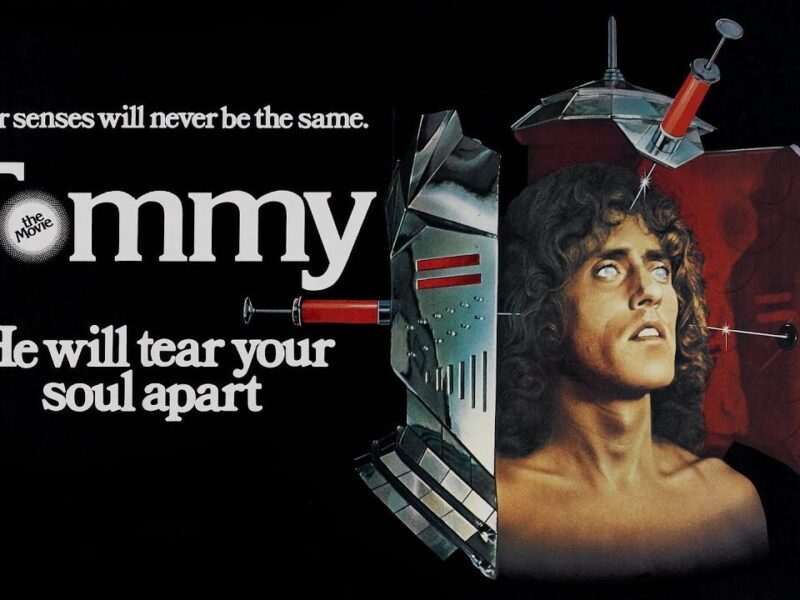
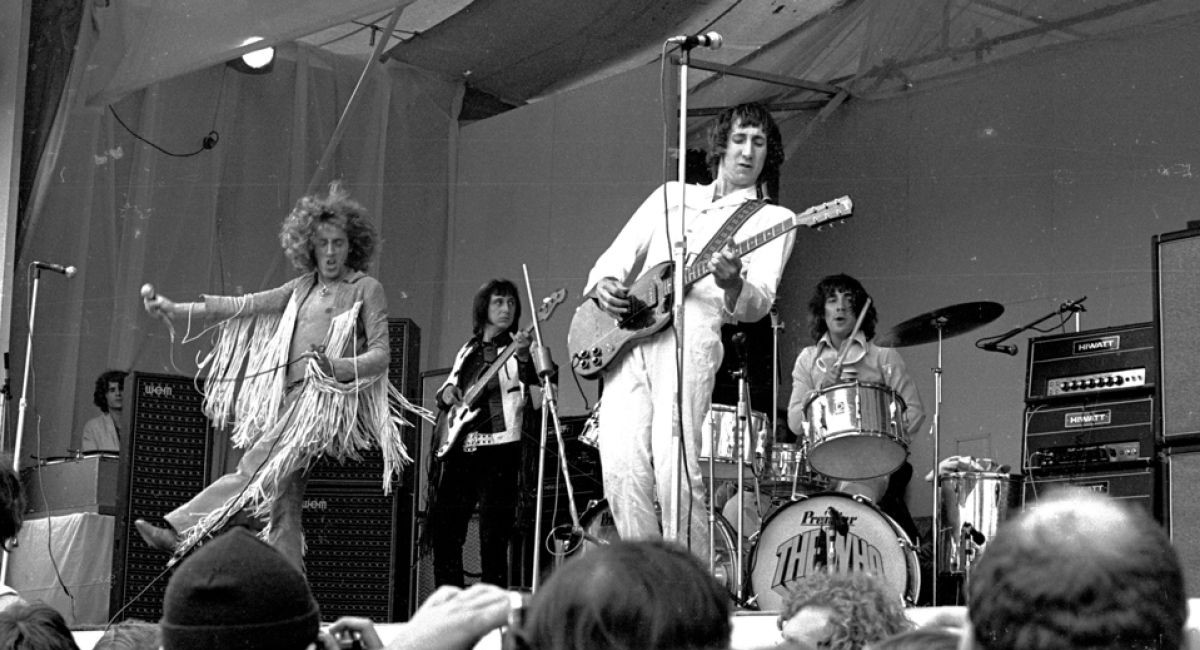
“My Generation” (1965) put the stutter and the feedback on record for Brunswick and then the world. Townshend’s windmill chords and the lyric’s refusal to ask permission made it a youth anthem without soft edges. The band’s auto-destructive stage act (smashed Rickenbackers, kicked drums) became as famous as the singles. Later, A Quick One hinted at long-form writing with “A Quick One, While He’s Away.” Tommy (1969) pushed further: a narrative double album about a deaf, dumb, and blind boy, layered guitars, and Daltrey singing the title role onstage night after night. Moon’s drums stayed explosive; Entwistle’s bass held the floor like concrete. They toured the opera until it became a brand as much as a record, complete with ballet and film adaptations downstream.
Live at Leeds (1970) captured the band at peak violence and precision: blues covers boiled hard, “Summertime Blues” turned brutal, no safety-net overdubs. Who’s Next (1971) raised the studio bar after the aborted Lifehouse project. “Baba O’Riley” opened on a Lowrey organ loop processed like a sequencer under Townshend’s power chords. “Behind Blue Eyes” framed confession as a hard-rock ballad with a sudden loud middle. “Won’t Get Fooled Again” ended on Daltrey’s famous scream, still a festival cue decades later. They were reporting conflict from inside it, not selling a clean revolution slogan for the charts.
Quadrophenia (1973) remains their most detailed human document: Jimmy the Mod, Brighton beach fights, scooters, rain, and synthesizer colors under Townshend’s writing. Salt, oil, and teenage fury sit in the lyric sheet without apology. Moon’s death in 1978 tore a hole in the rhythm section; Kenney Jones later filled the chair onstage, but the chemistry never fully returned. Entwistle kept the low end growling until his death in 2002. Daltrey’s voice hardened into a steel bark; Townshend kept writing, producing, and reuniting the brand for arena tours. Songs like “The Kids Are Alright” and “Love Reign O’er Me” gained elegiac weight in later setlists without losing their original punch when the PA hit.
What The Who left is not a neat arc. It is a pile of concrete artifacts: stuttering mid-60s singles, smashed guitars on Ready Steady Go footage, Leeds on tape, Tommy in theaters, Who’s Next on classic-rock radio, Quadrophenia as a Mod time capsule, and later hits like “You Better You Bet” keeping them on MTV-era playlists. Tribute acts still learn the windmill; guitar magazines still tab “Pinball Wizard.” They shaped British hard rock’s volume and ambition from union halls to stadiums, and they sold that volume without hiding the damage (ear problems, deaths, cancelled projects). Survivors Daltrey and Townshend still carry that catalog onstage with hired rhythm sections when needed. The windmill arrives slower now, but the songs still hit like instruments with serial numbers, not posters. Box sets, remasters, and the ongoing touring machine prove the point: durability measured in records, films, grosses, and cover versions is the real monument, not a myth about eternal youth.