
Hollywood to stadiums
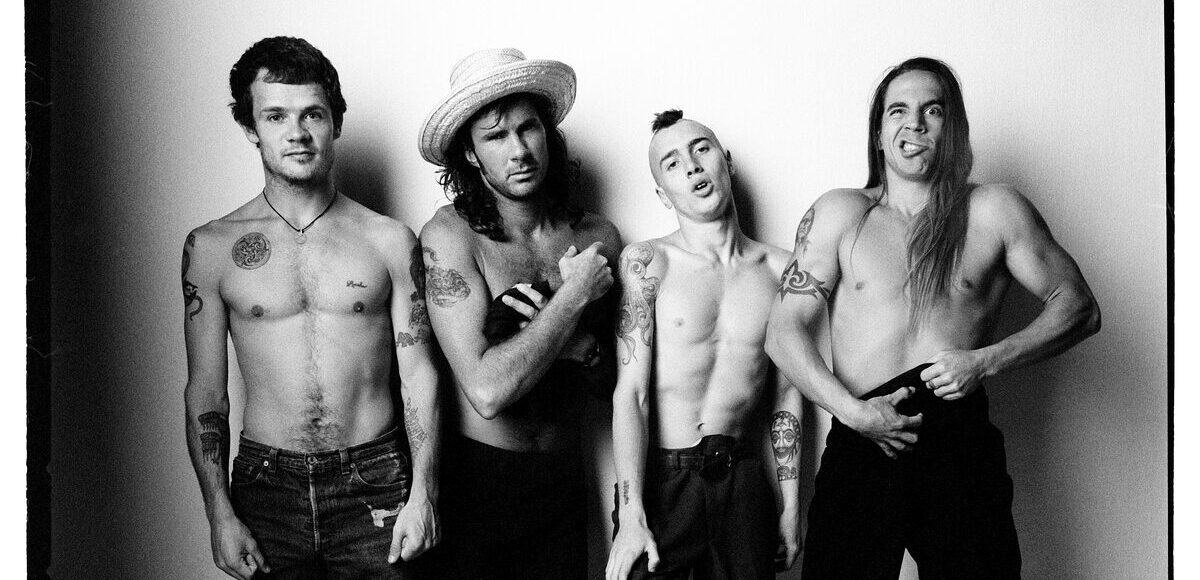
In Los Angeles in the early 1980s, Anthony Kiedis and Flea built a band that treated the stage like a gym and the groove like a dare. Sock hops, slap bass, shouted rhymes. Early lineups burned through guitarists until Hillel Slovak and later John Frusciante locked the chemistry with Chad Smith on drums. The city gave them punk energy, funk pocket, and enough sun to make exhaustion look like a lifestyle.
Kiedis came out of Fairfax High with rhymes closer to chant than croon. Flea, born Michael Balzary in Australia before California adopted him, never stopped treating bass as a lead instrument that could also melt into the kick. Slovak’s guitar linked Parliament-Funkadelic habits to hardcore sweat. The Uplift Mofo Party Plan (1987) captured the club heat before tragedy rewrote the plot.
Slovak’s death in 1988 nearly ended the story. Mother’s Milk (1989) rebuilt it with Frusciante and Smith, and “Higher Ground” put Stevie Wonder through a California filter. Blood Sugar Sex Magik (1991), recorded with Rick Rubin at the mansion on Laurel Canyon, was the leap. Flea’s bass stayed funky; Frusciante’s guitar turned sparse and melodic; Kiedis wrote clearer hooks. “Give It Away” hit MTV. “Under the Bridge” became the ballad stadiums still sing.
Frusciante left at the peak. Dave Navarro arrived for One Hot Minute (1995), a darker, thicker record that never quite settled. Frusciante returned for Californication (1999): cleaner tones, bigger choruses, “Scar Tissue” and “Otherside” on every radio format that would take them. By the Way (2002) and Stadium Arcadium (2006) stretched songwriting further into melody without dropping the pocket.
Frusciante left again. Josh Klinghoffer covered the next decade. Then Frusciante returned once more for Unlimited Love (2022) and Return of the Dream Canteen the same year, proof that the classic four still had unfinished business in the room. Addiction, breakups, and lawsuits ran beside the hits. The band kept touring because the groove still answered when the four names aligned.
Rubin’s later sessions favoured clearer vocal booths and less chaos in the drum room, but the band still left fingerprints: slap ghosts, half-shouted asides, guitar lines that refuse to finish tidy. Chad Smith’s drumming stayed big-room even on ballads. Kiedis’s later records taught him sustain without losing the shout that started the story.
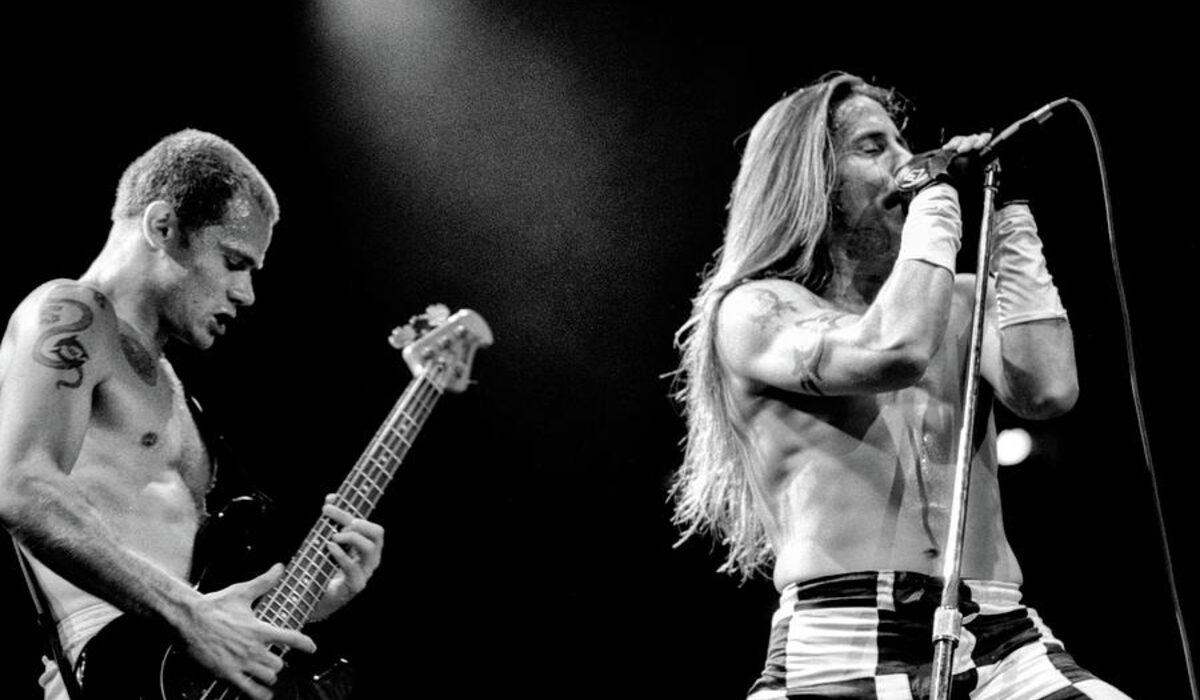
Live, the Peppers still read as a California working band that outgrew the clubs without sanding off the slap. Shirtless energy and sock-on-crotch jokes dated the MTV era, but the pocket survived the fashion. “Californication” and “Snow ((Hey Oh))” proved the mid-2000s still wanted the chorus loud and the bass busy. Guest spots and side bands never replaced the main chemistry when Frusciante and Flea share a centre of gravity cover versions rarely find.
Listen for slap bass that dances above the kick, guitar parts that leave air instead of filling every bar, and drums that stay stadium-sized even when the lyric turns inward. The ballads never quite become soft rock because the pocket refuses to nap.
If you want a way in, start with Blood Sugar Sex Magik for the Rubin leap, then Californication for the return, then By the Way for melody at scale. Cue “Give It Away” beside “Under the Bridge” and the range is clear. Next to Fishbone’s sharper funk-punk or Rage Against the Machine’s polemic, the Chili Peppers chose physical groove and plain choruses you can shout back.
What remains is a Los Angeles band that made funk-rock mainstream by keeping the groove physical and the hooks simple enough for a field of strangers to share. The catalogue is uneven by design: club dirt next to polished mansion sessions on Laurel Canyon. The through-line is Flea’s bass and a singer who learned, slowly, to write a bridge that lands.