Home demos kept as the masters
In May and June 1980, Prince tracked the songs that became Dirty Mind at his North Arm Drive house near Lake Minnetonka, Minnesota, then took the tapes to Hollywood Sound Recorders in Los Angeles. The sleeve says “Somewhere in Uptown” and lists engineer Jamie Starr, Prince’s first public alias. He kept the performances because the demos already hit harder than a polished remake.
Warner Bros. shipped the album on 8 October 1980. It is his third studio set after For You and Prince, and the last record on his original three-album deal. Eight tracks, about half an hour: dry funk, new-wave guitar, and lyrics that made radio programmers flinch. Lead single Uptown reached No. 5 on Billboard’s Hot Soul and Dance charts. Promo cuts of Head and When You Were Mine followed; the UK later got Do It All Night.
The band sound on stage was already ahead of the record. Guitar stays thin and cutting, keyboards stab rather than wash, drums stay dry. When You Were Mine is a pop song with a raw edge Cyndi Lauper would later cover. Sister and Head pushed sexual content past what Warner expected from a crossover R&B act. The label hesitated; Prince insisted the tapes go out as they were.
On the Billboard 200 the album peaked at No. 45 and went to No. 7 on the Soul LPs chart. RIAA gold arrived in June 1984, after Purple Rain had rewritten the catalogue numbers. Critics put it near the top of 1980 year-end lists, including the Village Voice Pazz & Jop poll.
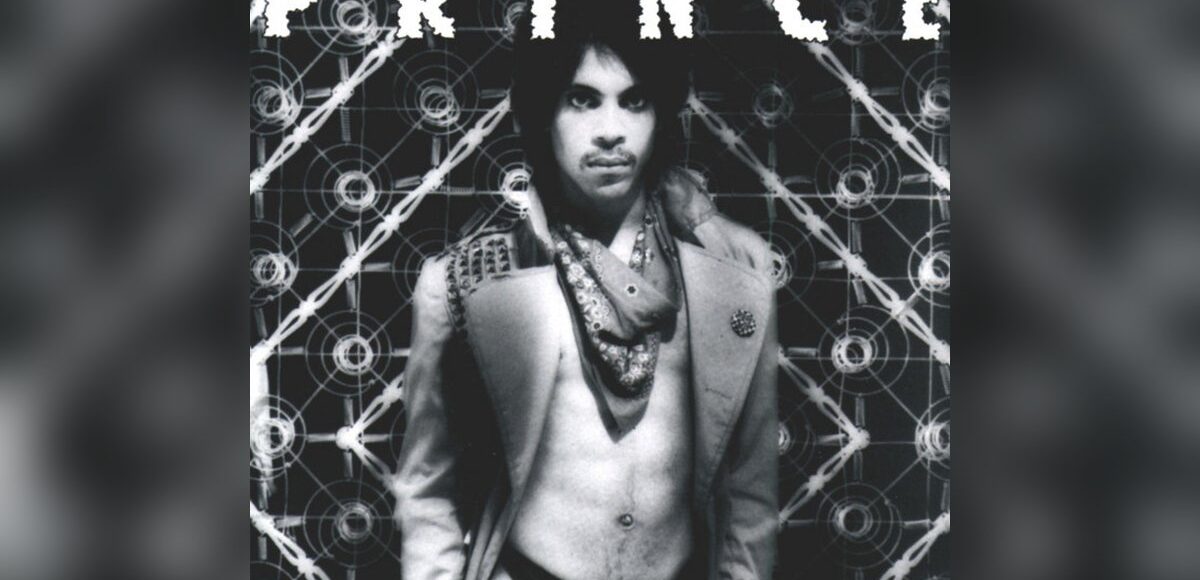
Lisa Coleman and Dr. Fink were already in the touring circle that would harden into the Revolution; on record, Prince still multi-tracks most of the bass and guitar himself. The jacket photo, bare chest and trench coat, matches the lyrical dare: short songs, no apology, no ballad padding.
Mick Jagger should fold up his penis and go home.
(Robert Christgau, Village Voice Consumer Guide, 1980)
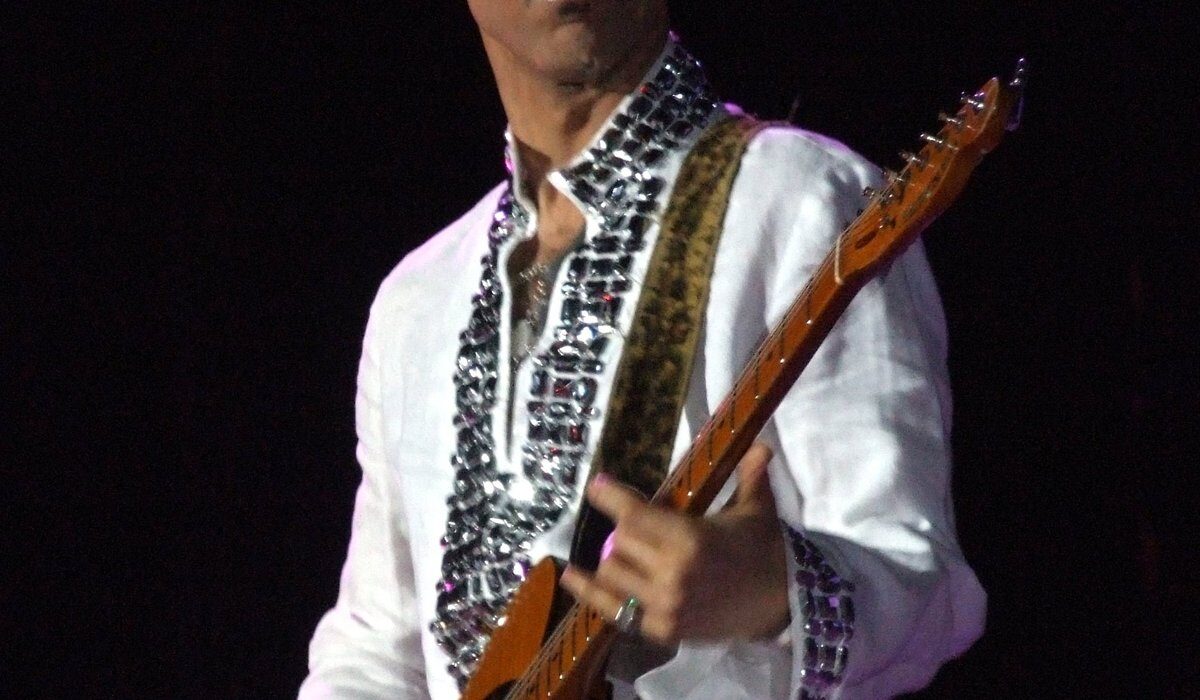
Saturday Night Live booked him for 21 February 1981, where he played Partyup from this album and showed a national late-night audience the Minneapolis band already touring the material. The Controversy Tour the next year built stage theatre on the same lean funk template.
Dirty Mind is the hinge before the crossover years. Without these eight songs, the synth-funk of 1999 and the rock theatre of Purple Rain have no runway. The record still sounds like a demo that refused to behave, which is exactly why it works.
Put on Uptown or the title track and you hear the blueprint: short songs, no filler ballads, and a singer who already treats the studio as a one-man band with a dirty sense of humour.
Later reissues and streaming keep the original eight-track sequence intact. For a listener arriving from Purple Rain, this is the leaner, nastier predecessor that explains how the Minneapolis Sound left R&B radio and walked into new-wave clubs.