Kalimba, horns, and the Columbia years
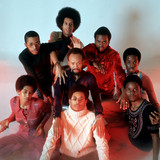
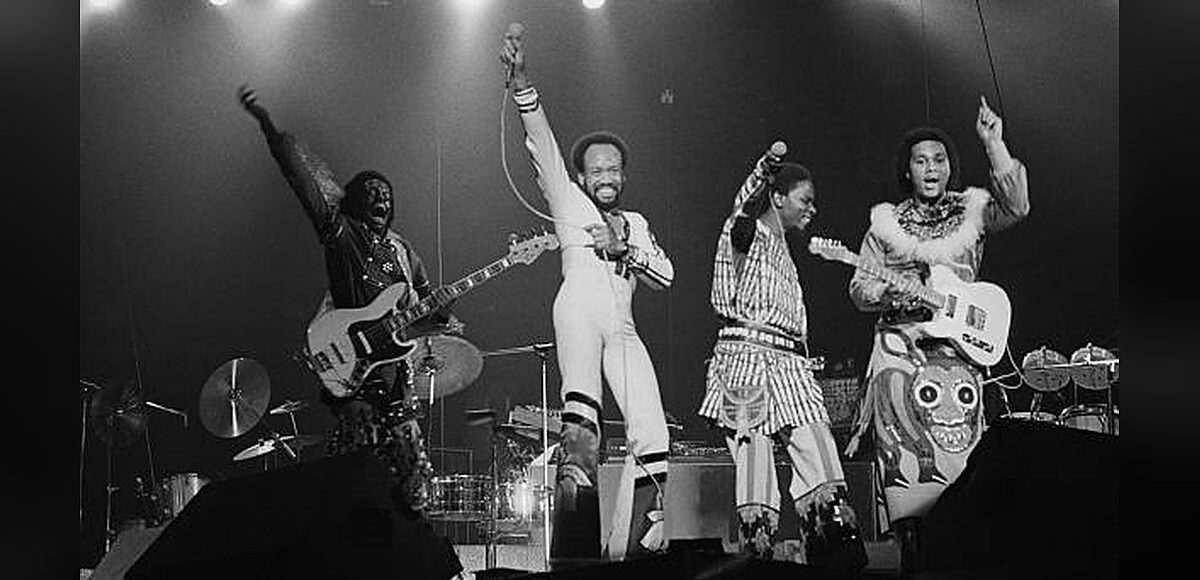
A thumb piano in a stadium should be a contradiction. Maurice White treats it as a thesis. The kalimba, which he took up in the Ramsey Lewis Trio, sits inside Earth, Wind & Fire as a small wooden argument against the idea that soul has to choose between sweat and shine. Horns answer it. Philip Bailey’s falsetto answers the horns. Verdine White’s bass answers everyone, melodic and rude at once. On a good night the group looks less like a band and more like a set: capes, pyramids, spiritual language borrowed from Egypt and from Chicago’s South Side, and a rhythm section that could play a wedding or a wide joke with the same commitment.
Maurice drummed for Ramsey Lewis, learned the studio from the inside, and in 1969 put his own group together in Chicago before moving the operation to Los Angeles. Early records search. Head to the Sky in 1973 and Open Our Eyes in 1974 find the face: Bailey has joined, the falsetto and baritone in a double lead few groups balance. Columbia is the label. Charles Stepney, arranger and co-producer, is the secret structure, a man who hears strings as rhythm. When That’s the Way of the World arrives in 1975, tied to a film almost nobody remembers and a soundtrack everybody does, Shining Star goes to number one. The philosophy is on the sleeve. The proof is in the horn line.
Gratitude, the live album of that year, shows the set at work. Spirit in 1976 is dedicated, in part, to Stepney, who dies that May, far too young. The group does not collapse into tribute. All ‘n All in 1977 is the bright peak: Serpentine Fire, Fantasy, Brazilian color, a devotion that never gets vague because the drums will not allow it. Then September, not the month, the song. Written with Al McKay and recorded in 1978 for the first best-of, it names the twenty-first night for the way the syllables sing, not for a diary entry. White said as much. The specificity is a gift to every couple who needed a date that sounds like dancing.
I Am in 1979 opens the door wider. Boogie Wonderland, with the Emotions, feels like a family reunion because it is one: the Emotions were part of the same musical neighborhood. After the Love Has Gone is the ballad that proves the falsetto can mourn. Let’s Groove, from Raise! in 1981, updates the suits without updating the joy into irony. Through these years the Phenix Horns are not garnish. They are a second lead singer. Verdine’s bass remains the plot twist. Ralph Johnson’s percussion and Maurice’s drums keep the set from floating off.
The later catalogs, Powerlight, Electric Universe, reunions, and long tours, are the life of a group that became a holiday without becoming a costume. Maurice White’s health forces him off the road. He dies on 3 February 2016. Bailey and Verdine carry the name, the correct inheritance: the voice that goes high, the bass that refuses to walk straight. The songs date the way good arrangements date, revealing players inside them on each replay.
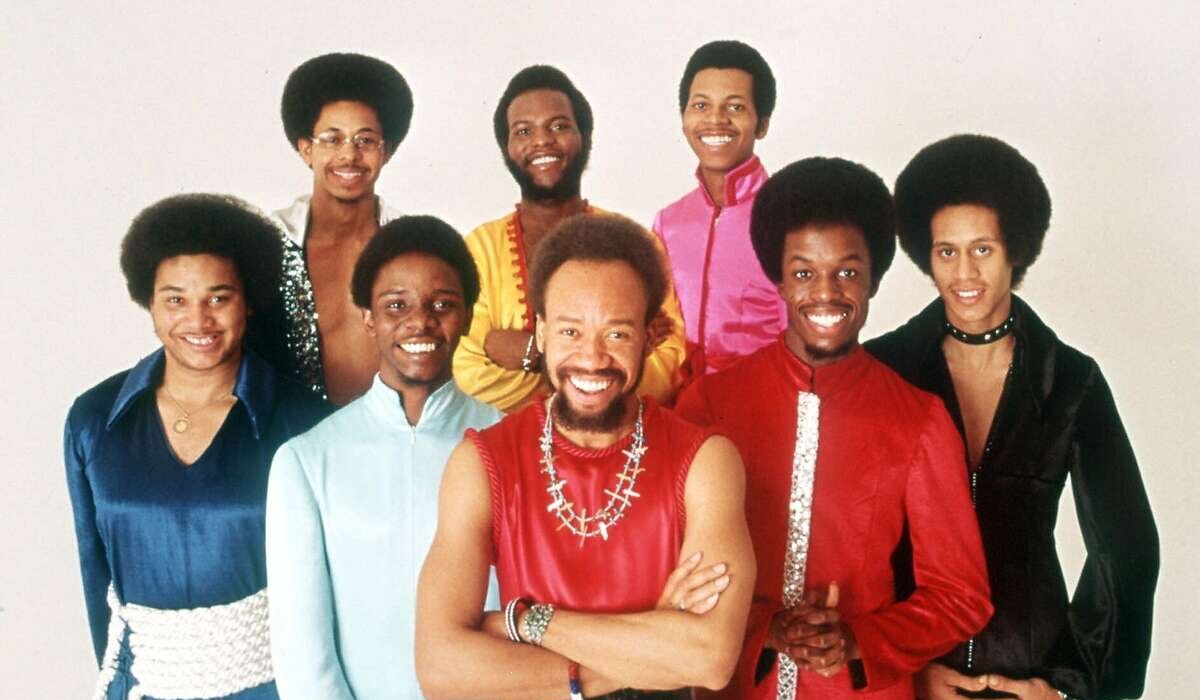
Influences stack Chicago soul, jazz big-band voicing, Brazilian percussion color, and gospel uplift without separating church from dance floor. Compared with Kool & the Gang’s funk-party focus or Parliament’s cosmic circus, Earth, Wind & Fire keeps horn charts disciplined and hooks choir-ready.
Listen for kalimba sparkle against brass stacks, Bailey’s falsetto placed where a string line would have been lazy, Verdine’s melodic bass, and Maurice’s drum leadership locking tempo while the show moves. Production on Columbia-era records favors clarity over grit, which lets every horn voice count.
Entry points stay generous. That’s the Way of the World for the breakthrough. All ‘n All for peak arrangement ambition. The first best-of for September and the handshake with pop radio. Add Shining Star, Fantasy, and After the Love Has Gone and you hear creed, peak, and ballad in one pass.
Beside Stevie Wonder’s studio laboratory or Chicago’s horn-rock punch, Earth, Wind & Fire shares melodic optimism but keeps staging and brass identity as brand. Beside disco peers, they feel more like a band with a horn section than a producer with a feature singer.
Put September next to That’s the Way of the World and you hear the same invitation at two volumes. One is a night. The other is a creed. Between them sits a band that dressed like a myth and played like a workshop. The sun in the lyrics is the brass section, aimed upward, in tune.