A film cue Antonioni sent back
Us and Them began as Rick Wright’s piano piece The Violent Sequence, written for Michelangelo Antonioni’s Zabriskie Point and turned down in Rome in 1969. The director heard it and sent it back. Roger Waters has repeated the reason in Antonioni’s own broken English: it was beautiful, but too sad, and it made him think of church. The cue stayed with the band. Three years later Waters put words on it for The Dark Side of the Moon.
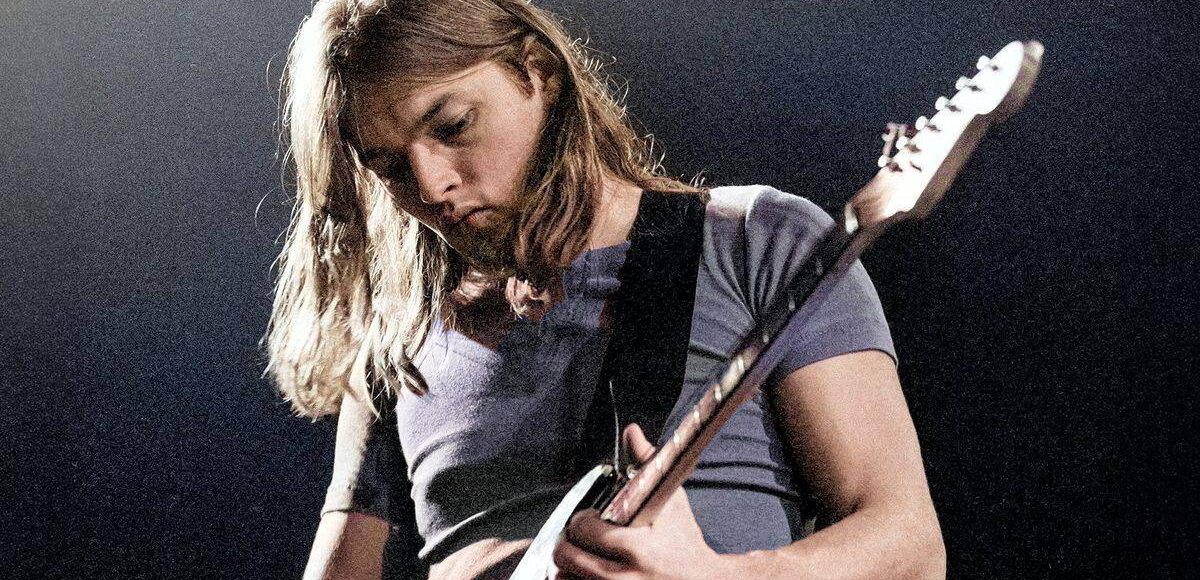
The lyric was written during the Abbey Road sessions that ran from June 1972 into January 1973. Waters has described the three verses in plain terms. The first is about going to war. The second is about civil liberties, racism and colour prejudice. The third is about walking past a tramp and not helping. David Gilmour sings the lead. His vocal sits in a long echo. Wright sings the harmony above him. The piano figure underneath is the piece Antonioni refused.
Dick Parry plays tenor saxophone, the same player as on Money. Doris Troy, Lesley Duncan, Liza Strike and Barry St. John sing the backing vocals, the quartet used across the album. At 7 minutes 49 seconds it is the longest track on the record. Pink Floyd produced it. Alan Parsons engineered it. Harvest released the album in the United States on 1 March 1973 and in Britain on 16 March. On the early 1972 live versions of the suite there was no saxophone, and Waters and Wright took the vocals. The record is Gilmour’s voice and Parry’s horn.
It’s beautiful, but it is too sad, you know? It makes me think of church.
(Michelangelo Antonioni, on The Violent Sequence, as recalled by Roger Waters)
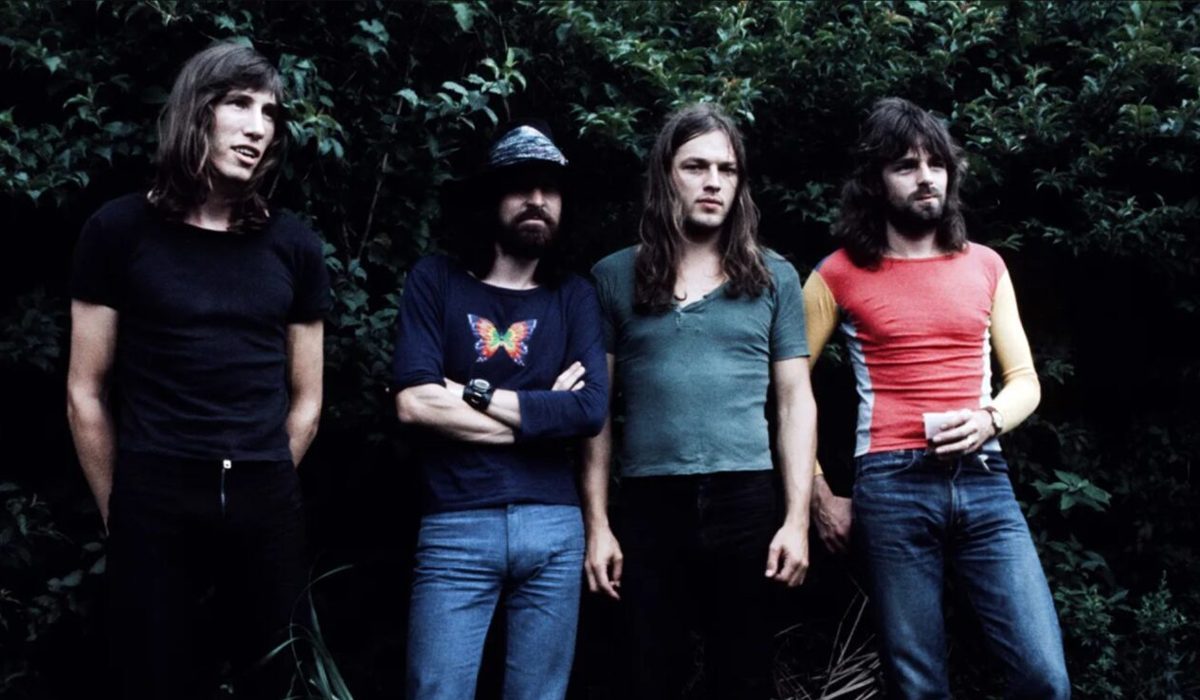
The American single came out on 4 February 1974, with Time on the B-side. It was not issued as a British single at the time. The sax solo is the part the 1972 stage version did not have. Parry was brought in for the album, as he was for Money, and the two solos are the only horns on the record. The backing singers enter on the refrains. They do not sing under the first line of the verse. Wright’s harmony is the second lead, not a choir part.
What Antonioni heard in Rome was the piano on its own, slow enough that he heard a church. The album track keeps that tempo and adds the lyric, the echo on Gilmour, and Parry. The 2011 remaster is the same 1973 recording, not a new take. The piece the director sent back is still the one in the middle of side two. Side two of the album opens with Money, and this song follows it. The piano Wright played for Antonioni in Rome was left off the Zabriskie Point soundtrack when that album came out in 1970. The band kept the figure and finished it themselves.