He listed the year and did not offer a fix
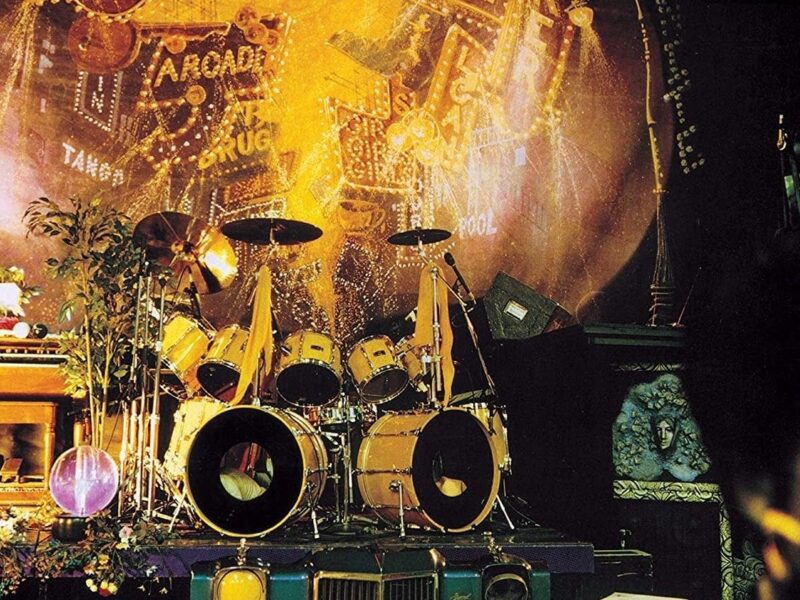
On 15 July 1986 Prince was in Studio 3 at Sunset Sound in Hollywood with engineer Susan Rogers. He played everything on Sign O’ The Times: LinnDrum, electric guitar, Fairlight CMI, the vocal. The 16th was for the instrumental pass and the mix, the same day he cut Blanche. No band. The Revolution was already done. The track is a news report set to a dry machine and a blues guitar that leaves the holes open.
The verses name the year and stop. AIDS is “a big disease with a little name”. Challenger had broken up that January. A sister kills her baby because she cannot feed it. There are gang guns, the crack trade, a man dying in France. Rogers has said his earlier message songs told people what they ought to do. This one describes the weight and does not hand out a plan. The only move in the lyric is to get married, have a baby, and hope the next lot can sort it.
He did not cut it for the album that eventually came out. On an 18 July 1986 sequence of Dream Factory it opened the second disc. It stayed when that project became the triple Crystal Ball that November, placed on the third disc. Warner wanted a double. Sign O’ The Times the album reached shops on 30 March 1987 with this as the first song and the title. The single had already been out for six weeks.
Sign o’ the Times took a more mature perspective by describing events that carried a lot of weight but not proposing a solution, other than to get married, have a baby, and hope that the next generation can figure it out.
(Susan Rogers, Official Charts, 2020)
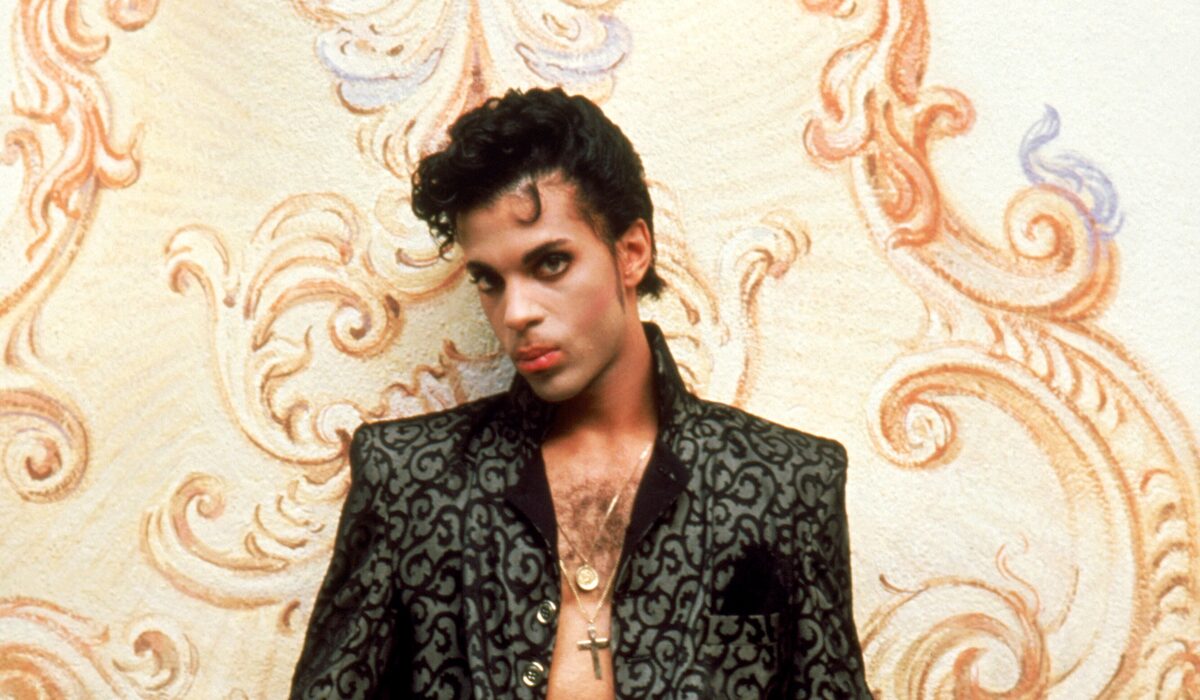
Paisley Park and Warner Bros. released the single in the US on 18 February 1987, with La, La, La, He, He, Hee on the B-side. The UK date was 2 March. It reached number 3 on the Billboard Hot 100 and number 1 on the Hot Black Singles chart, his fifth R&B number 1. Prince Vault notes it sat behind Aretha Franklin and George Michael’s I Knew You Were Waiting (For Me) and Crowded House’s Don’t Dream It’s Over. In Britain it made number 10. The edit runs about 3:42. The album cut is just over five minutes. The official video is the single picture: him, a guitar, a bare set.
Rogers has also set the song next to When Doves Cry and Kiss, as a track strong enough to hold an album. It gave the double a subject before the dance tracks and the ballads filled the rest. He opened the 1987 European tour on the same line, and the concert film takes its title from it. The July recording did not need the tour. The drum machine already sounded like a wire report. No stack of guitars, no horn section, no choir. The Fairlight supplies the small stabs, the Linn keeps time, and the vocal reads the items one by one.