He opened a dictionary once, for the words in -al
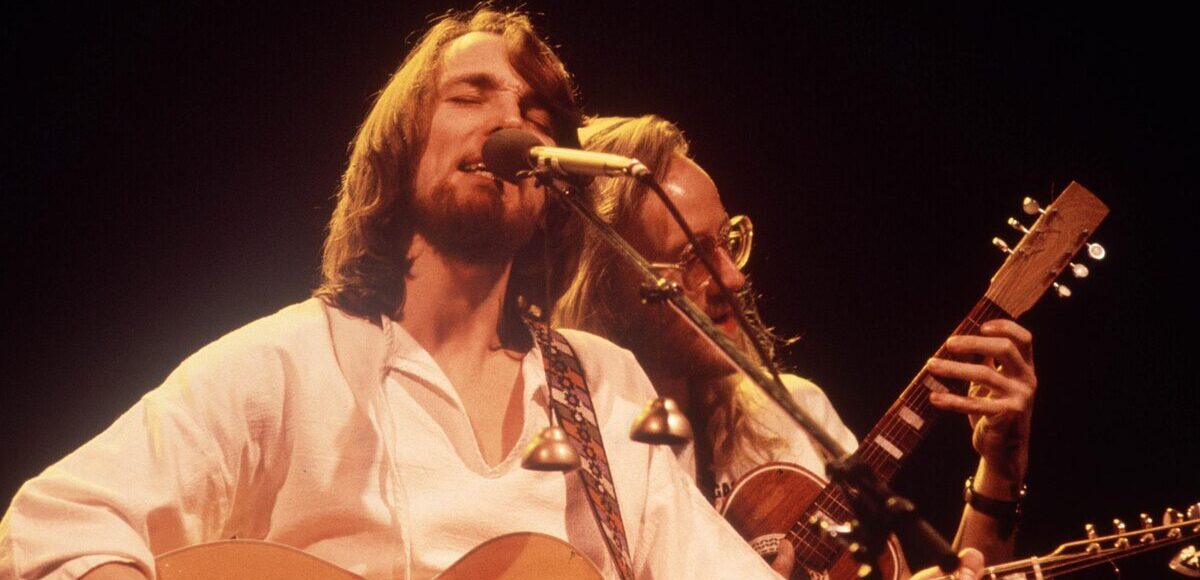
Roger Hodgson was 29, and he went to a dictionary. He has said it was the only time. The Logical Song needed a run of words that end the same way: sensible, logical, responsible, practical, then clinical, intellectual, cynical, then radical, liberal, fanatical, criminal. The list is the hook. Under it, a Wurlitzer electric piano states a rhythm before the band explains anything. When he was young, life seemed wonderful, a miracle, beautiful, magical. Then they sent him away to learn how to be those adjectives.
The lyric comes out of boarding school. His parents divorced when he was 12. He took his father’s guitar with him and played it because he was lonely. Years later the question had not shrunk. Schools, he has said, teach you how to function on the outside and skip who you are on the inside. He worked the song up at soundchecks and had the lyric and the arrangement ready months before Supertramp demoed Breakfast in America. In late April and early May 1978 the band ran nine new songs onto eight-track at Southcombe, the rehearsal room inside their management office in Burbank. The Logical Song was one of them. Take the Long Way Home was not written yet.
The record itself was made in Studio B at the Village Recorder in West Los Angeles, a room in an old Masonic temple, with a Harrison console and two Ampex 24-tracks. Peter Henderson co-produced with the band and engineered. On the first day he arrived with two black eyes after a crash on the drive from Topanga. For this song the backing track put Hodgson’s Wurlitzer in the drum booth, Bob Siebenberg’s drums and Dougie Thomson’s bass in the live room, and John Helliwell’s saxophone in the toilet, the only small room left. Henderson says the sax solo stayed from that live pass, and so did the vocal on the final section. A Clavinet part from Rick Davies was mixed out. Helliwell also supplied the sigh at the top and a whistle into the outro. Between takes Davies played a Mattel electronic football game. Its goal bleep sits in the run-out, just after Hodgson sings “digital”.
I was 29 when I wrote The Logical Song. I was searching for answers. The burning question in that song was: Please tell me who I am.
(Roger Hodgson, Classic Rock, February 2016)
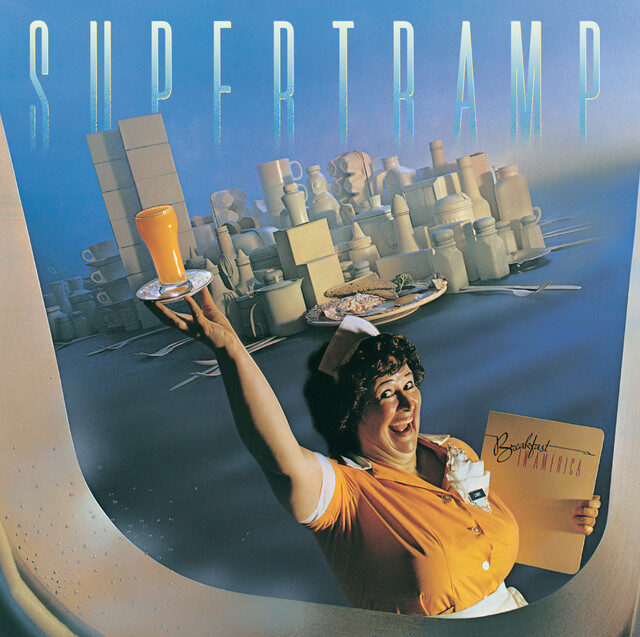
Hodgson would not sign the mix off until it sat right. He has said that took about two weeks. A&M issued the single in March 1979, in front of an album that would spend six weeks at number one in the United States. In Britain The Logical Song entered the chart on 31 March and peaked at number 7 on 28 April. In the US it reached number 6 on the Billboard Hot 100. In Canada it spent two weeks at number 1 and was the year’s top single. In 1980 the Ivor Novello awards named it Best Song Musically and Lyrically. The credit, as on every Supertramp song of that era, read Rick Davies and Roger Hodgson, even though Hodgson wrote this one. That was the publishing deal. It did not stop the song being his.
Scooter’s cover put the chorus back in European top tens in 2001, which says something plain: the question travels without the Wurlitzer. The record you want is still the 1979 one. Helliwell’s sax is in the room, not pasted on later. The adjectives are funny because they are exact. And the last high note, Hodgson still jokes, is damn high. He wrote a school complaint that became Supertramp’s biggest single. The dictionary was only there for the rhymes. The question was already his.