
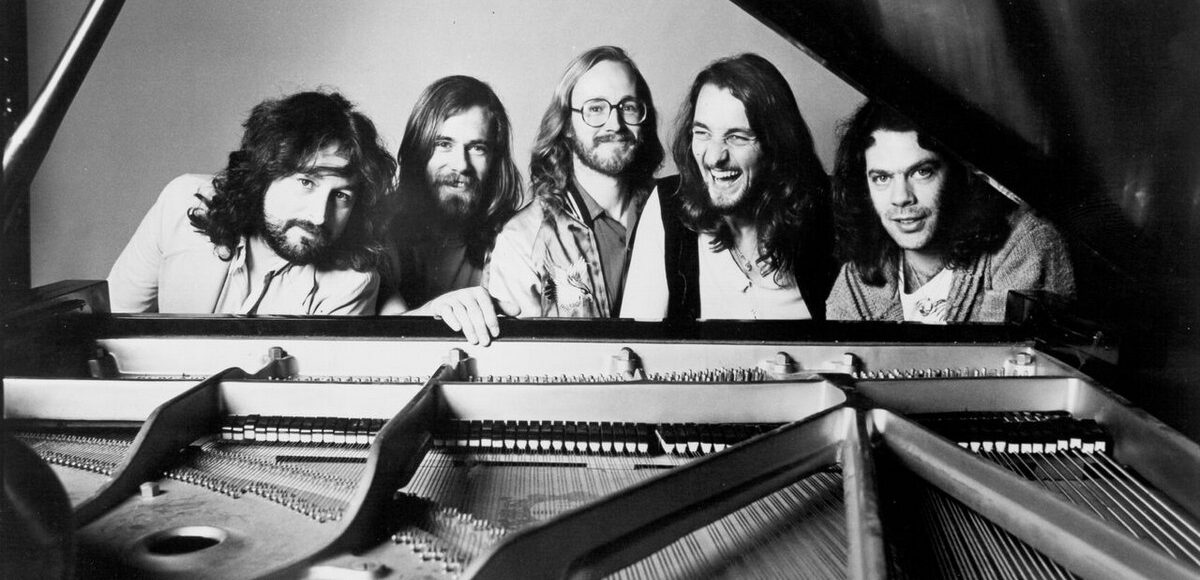
Davies and Hodgson, Wurlitzer and sax: from Crime to Breakfast
Supertramp started in London in 1969 when keyboardist Rick Davies, backed by a Dutch benefactor, assembled players to chase a progressive-leaning rock path. Roger Hodgson’s melodic sense and high vocal soon defined the other half of the writing partnership. Early albums showed ambition and restless arranging but struggled for a mass audience. The band kept refining: progressive textures beside clearer songs, rich instrumentation, openness to new parts. Mid-70s focus arrived with Crime of the Century (1974), balancing Davies’s darker, bluesier tone against Hodgson’s lighter melodies. “Dreamer” and “School” mixed soaring hooks, sharp lyrics, and structures that still felt rock-driven. John Helliwell’s saxophone added a warm signature that radio listeners could name in two bars.
Crisis? What Crisis? tightened the set; Even in the Quietest Moments brought “Give a Little Bit,” a ballad built to live onstage and on daytime radio. Piano lines could dance or weigh heavy; stacked vocals built harmonies; lyrics poked at society, alienation, and fragile egos. Then Breakfast in America (1979) scaled everything: “The Logical Song,” “Goodbye Stranger,” “Take the Long Way Home,” and the title track reached huge international audiences. Bright production, sticky melodies, and the waitress-and-orange-juice cover made the LP an era icon. Arenas filled with people singing intimacy at stadium volume.
The Davies/Hodgson dual-engine was the creative tension that paid the bills and eventually cracked. Hodgson left in the early 1980s; Davies carried the name through further albums and tours with shifting lineups. Classic-rock radio froze the late-70s peaks in rotation while debates about reunions simmered for decades. What did not freeze was the instrumental fingerprint: Wurlitzer and acoustic piano, clarinet/sax colors, precise vocal stacks, and songs that could shift section without losing the hook.
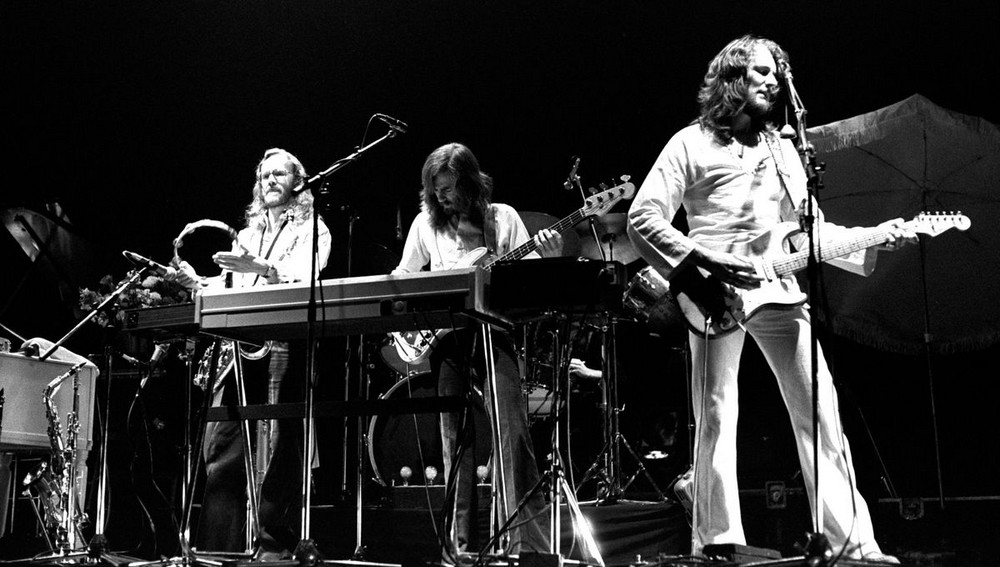
Across borders and languages, the catalog kept living in cars, kitchens, and concert halls. Tribute sets and original-member tours (together or apart) proved demand for the songbook more than for a single fixed lineup photo. Listeners who want melody with lyrical bite still treat Crime and Breakfast as touchstones. Supertramp’s story is ambition, collaboration, and a measurable chart-and-touring peak, then a long afterlife as repertoire.
From benefactor-funded London beginnings to global hits, the journey speaks through arrangements you can inventory: keys, strings when needed, saxophone answers, dual lead voices. That craftsmanship, not vague “harmony of the spheres,” is why the records still resonate with clarity decades after the orange juice hit the cover.
A&M-era promotion and careful album sequencing helped Crime and Breakfast play as complete statements rather than hit compilations only. Helliwell’s sax and woodwinds functioned like a second singer answering Davies and Hodgson. Bob Siebenberg’s drums stayed song-serving; Dougie Thomson’s bass locked the piano left hand. Those names belong in any concrete account because the “Supertramp sound” was a band arrangement habit, not a mysterious aura.
Post-Hodgson years proved both the strength and the limit of the brand: Davies could tour the hits, audiences still sang Hodgson’s melodies, and arguments about credit followed every anniversary. Classic-rock formats froze the late-70s peaks; deeper fans still argue for Quietest Moments deep cuts. Keys, strings when used, saxophones on the hooks: the subtitle is an instrument list. That list, plus the Davies/Hodgson split, explains the catalog’s long shelf life better than any soft focus on “harmony.”
Breakfast in America’s worldwide sales figures and tour grosses turned Supertramp into a headline arena act, which changed the pressure on every later release. Critics who preferred the darker Crime era sometimes shrugged at the brighter US-friendly sheen; audiences answered at the box office. Hodgson’s departure after …Famous Last Words… made the dual-voice brand harder to advertise, yet “The Logical Song” and “Give a Little Bit” never needed a reunion to stay on the air. Reissue campaigns and documentaries periodically reopen the credit debate; the arrangements remain the stable fact.
Listen on good speakers and the inventory is obvious: electric piano chatter, acoustic punctuation, sax answering a vocal line, stacked choruses landing on the title. That is why cover bands can approximate the hits and why the originals still win: the balances were cut by players who lived inside those parts for years. London beginnings, Dutch funding lore, Crime’s breakthrough, Breakfast’s explosion, then split roads. Keep that timeline and the “keys, strings, and saxophones” promise stays literal.