
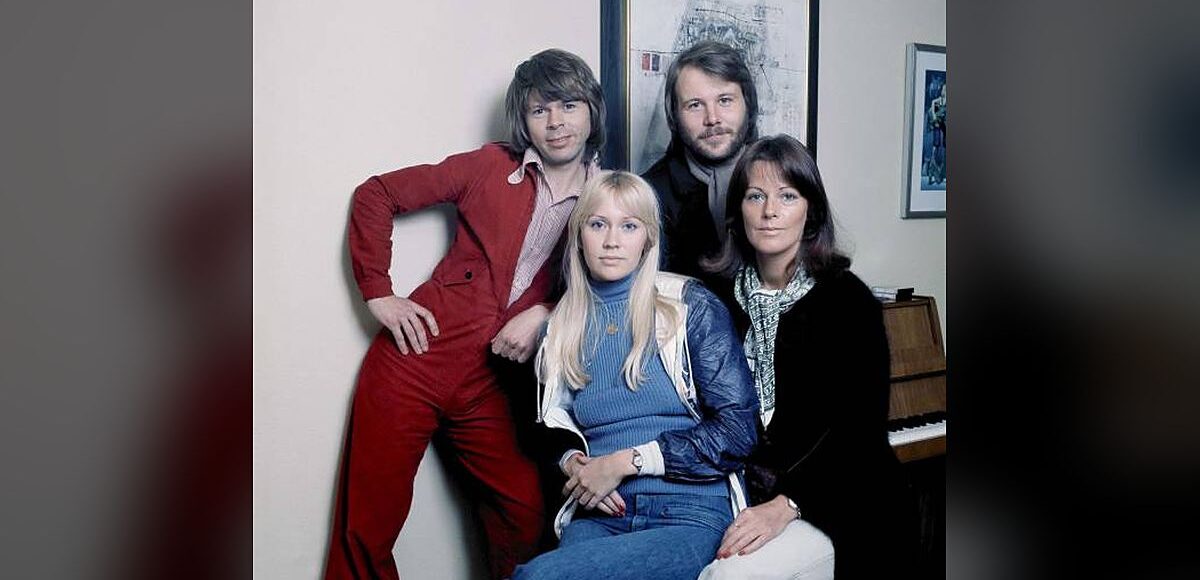
Eurovision to Waterloo to the divorce years
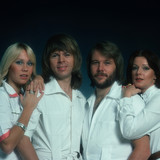
On 6 April 1974, at the Brighton Dome, Sweden won the Eurovision Song Contest with “Waterloo.” Benny Andersson and Björn Ulvaeus had already spent years writing pop in Swedish and English; Agnetha Fältskog and Anni-Frid Lyngstad brought two distinct voices, soprano clarity against mezzo warmth. Stig Anderson managed the operation and co-wrote lyrics. Polar Music was the label. The group name came from their initials, settled after a polite arrangement with a Swedish canned-fish company that shared the letters. Eurovision was a door, not a destination.
The first international rush followed the contest, but the records that matter arrived on ABBA (1975) and Arrival (1976). Michael B. Tretow, engineer at Metronome and then Polar Studios, doubled and tripled vocals until a quartet sounded like a small choir. Andersson’s piano often carries the harmonic plot; Ulvaeus trimmed lyrics until they scanned in English without sounding translated. “Mamma Mia,” “Fernando,” and “Dancing Queen” became worldwide singles. “Dancing Queen” reached number one in Britain and, later, in America. The songs look like party invitations; the writing behaves more like light classical part-writing with a disco pulse underneath.
Polar Studios in Stockholm, which the group helped build, became one of the best rooms in Europe. Led Zeppelin recorded In Through the Out Door there in 1979, a useful footnote about how seriously other musicians took the facility. Inside ABBA’s own sessions, the craft was vocal balance: Fältskog often carried the emotional wound in a line, Lyngstad the grounded reply, the men filling the spaces between. Super Trouper (1980) and The Visitors (1981) arrived as the two marriages inside the band were failing. Björn and Agnetha had separated; Benny and Frida’s marriage would not hold much longer. “The Winner Takes It All” and “One of Us” did not hide the fracture. They set it in melody clean enough to hurt.
The group stopped recording together in 1982. There was no scandal tour, only a catalog and silence. ABBA Gold (1992) reintroduced the songs to a generation that had missed the original run. The stage musical Mamma Mia! and its film versions turned the catalog into a shared language. In 2021, Voyage appeared: nine new songs, no attempt to impersonate 1976 and no apology for melody. ABBA Voyage, the London arena show with digital avatars and a live band behind them, opened in 2022. The four originals stayed off the stage while their voices filled it, an admission that the records had always been slightly larger than any single tour could hold.
Influences sit in European schlager, British pop production, and the Beatles’ lesson that a chorus should feel inevitable on first hearing. Compared with disco groups that put the producer above the singers, ABBA kept the voices forward and the arrangements transparent. Compared with Eurovision winners who fade after the contest, they treated Brighton as the first chapter of a studio career, not the climax.
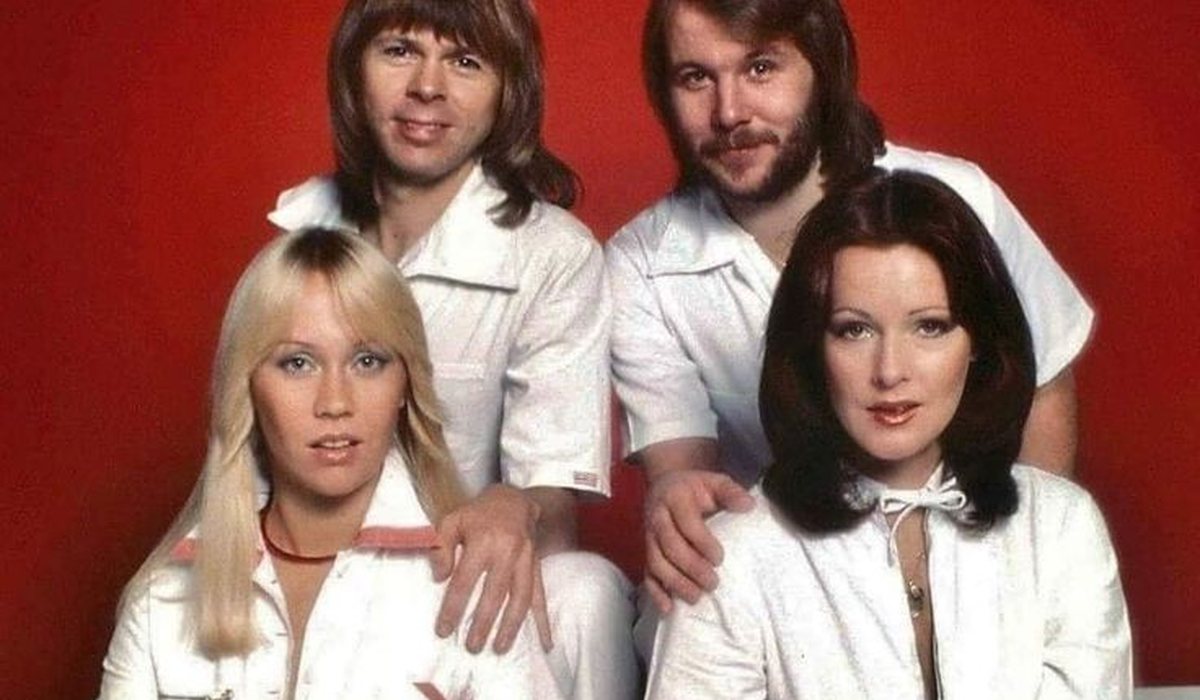
Listen for stacked harmonies that move in contrary motion, piano figures that turn simple chords into drama, and drums that stay dry enough for radio without losing dance-floor push. Tretow’s vocal walls are not an effect pasted on at the end; they are the room the songs inhabit. Under the glitter production, the lyrics often describe loss, distance, or the cost of winning. The brightness is real. So is the crack.
Entry points stay generous. Arrival for the peak run of singles. The Visitors for the colder, more adult turn. ABBA Gold or a streaming best-of for the shorthand. Add “Waterloo” for the Eurovision origin, “The Winner Takes It All” for the divorce song that refuses self-pity, and “Gimme! Gimme! Gimme!” for night-drive energy.
Beside Boney M or other Euro-disco acts, ABBA wrote tighter harmonic lines and kept Swedish melancholy inside the major keys. Beside Fleetwood Mac’s internal soap opera, they delivered similar emotional weather with less guitar and more choir. Put “Dancing Queen” next to “One of Us” and you hear the same band at celebration and at aftermath. The structure outlasts the night. That is the craft the avatars were built to honor.