
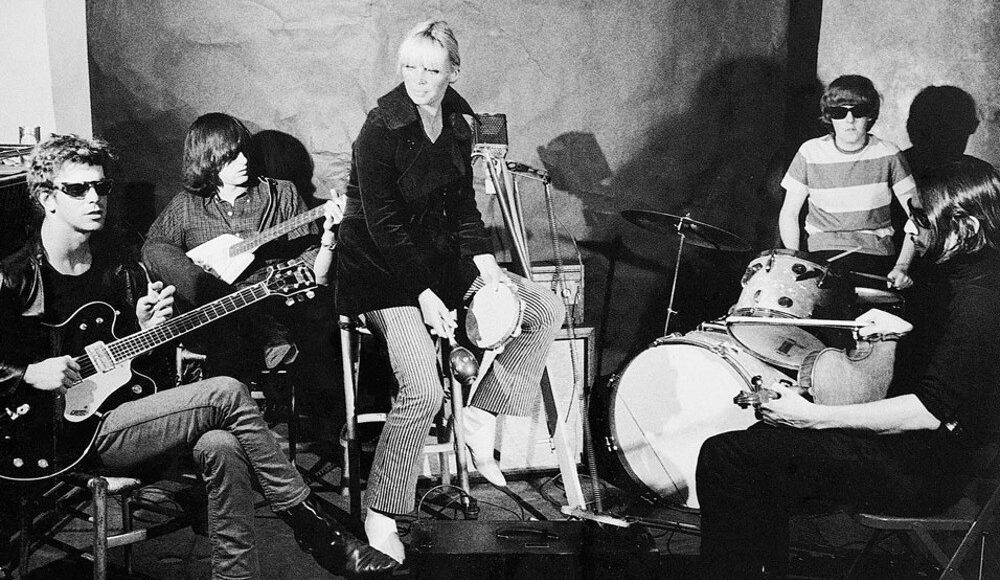
New York, 1960s: Cale, Reed, Nico, and the Factory circle
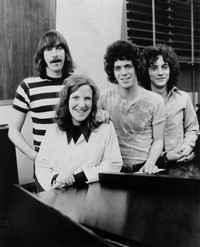
In mid-60s New York, while British Invasion singles and California harmony ruled radio, The Velvet Underground built songs from downtown rooms and Factory nights. Lou Reed wrote street-level lyrics. John Cale brought viola, drone, and avant-garde habits from the classical side. Sterling Morrison and Maureen Tucker locked a dry, stubborn rhythm. Andy Warhol’s circle gave them a scene and a first album cover idea; it did not make them a chart act.
The Velvet Underground & Nico (1967) sold poorly at first and spread through record bins and back rooms. “Heroin” builds in pulses. “Venus in Furs” scrapes with bowed viola. “I’m Waiting for the Man” rides a plain riff and a dealer’s-door lyric. The record’s influence on later punk, art-rock, and indie bands is easier to name than its original sales figures.
After Cale left in 1968, White Light/White Heat pushed noise harder, then The Velvet Underground and Loaded moved toward clearer melodies. Reed leaned into ballads and hooks. “Pale Blue Eyes” and “Sweet Jane” show that turn. Doug Yule entered the lineup as the band’s sound opened toward radio possibility without erasing the earlier edge.
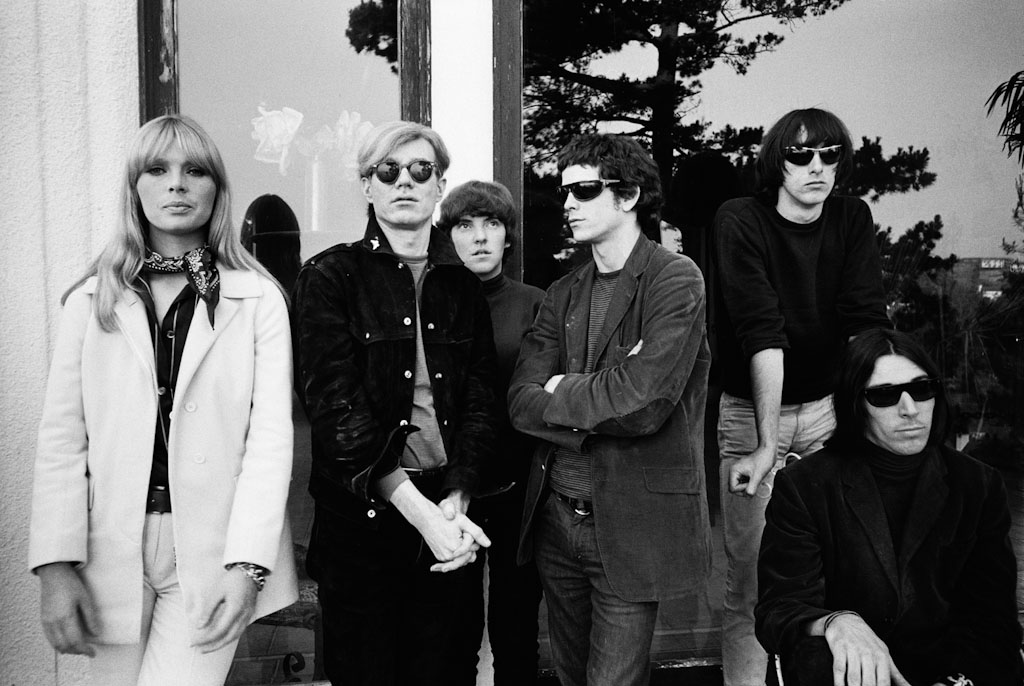
Live, Tucker’s drumming stayed minimal and frontal, often standing, more pulse than flourish. Reed’s vocal sat talky and dry. The group never fitted the peace-and-love costume of their decade. Drugs, S&M imagery, and city boredom were subjects, not side decoration.
Breakups, solo careers, and later reunions kept the catalogue in circulation. Reed’s solo work and Cale’s productions carried the method forward. Bands from Roxy Music to modern indie still cite the Velvets as a template: limited means, strong writing, no need to sound polite.
The practical legacy is simple. They proved a rock band could treat downtown subject matter and experimental noise as normal tools. Chart failure in 1967 did not stop the records from teaching later rooms how to play.