
School, Bloody Sunday, Ken Scott
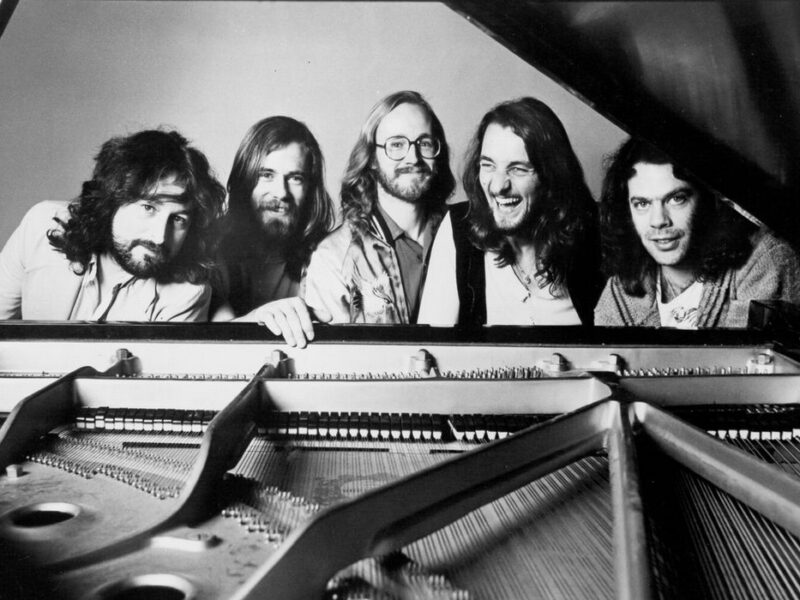
On 25 October 1974, Supertramp released Crime Of The Century on A&M, their third studio album and the one that finally broke them commercially. Rick Davies and Roger Hodgson led a settled five-piece with John Helliwell (sax, clarinet, keys), Dougie Thomson (bass) and Bob Siebenberg (drums). Ken Scott co-produced with the band across Trident, Ramport and Scorpio Sound in London between February and June 1974. After two quieter A&M albums, this one arrived with a clear concept spine and radio singles attached.
The tracklist still defines the band’s early classic set. School opens with harmonica and a long build into Davies’s vocal and Helliwell’s sax answers. Bloody Well Right flips the mood with a dry British sneer that US radio preferred as the single flip of Dreamer. Dreamer itself, Hodgson’s Wurlitzer-led hook, reached UK No.13 in early 1975; in North America Bloody Well Right charted higher on the Hot 100. Rudy, Hide in Your Shell, and the title track close the arc with narrative weight rather than filler. The album peaked at UK No.4, hit No.38 on the Billboard 200 (their first US album chart entry), and went on to multi-platinum status in Canada.
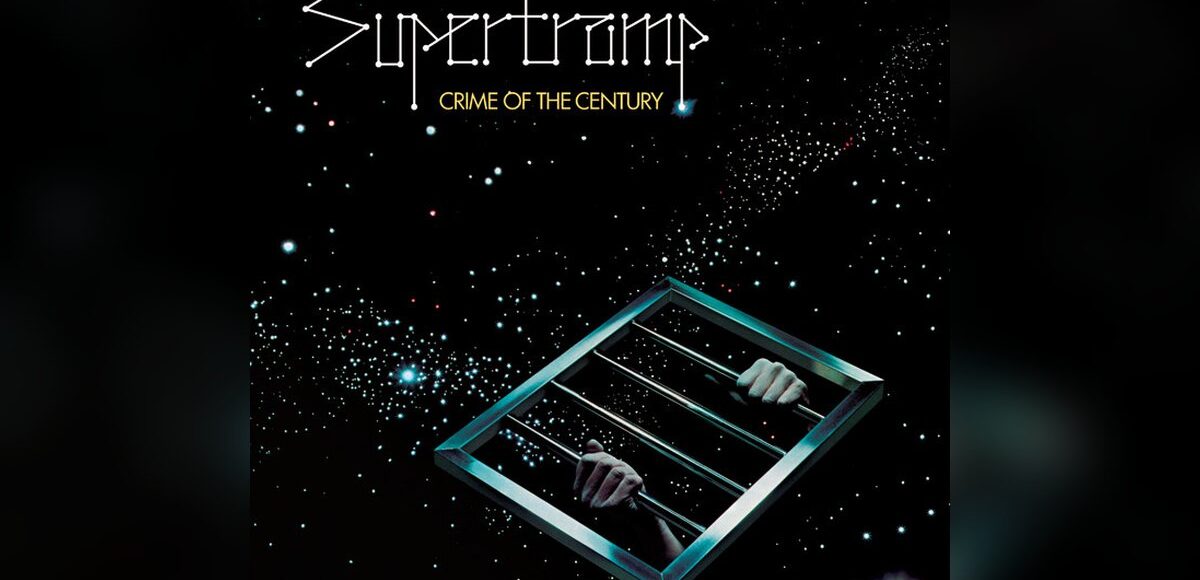
Scott’s production is the other star. Piano and Wurlitzer sit clean in the center, drums stay dry, sax cuts through without syrup, and the stereo image leaves space for Hodgson and Davies to trade leads. Paul Weller and others later cited the record as a benchmark for British piano-rock arrangement. The Paul Wakefield sleeve (hands on barred window against a star field) matched the lyrical themes of confinement and surveillance without needing a printed manifesto.
Crime of the Century was Supertramp’s commercial breakthrough in many countries, most notably in the UK, Canada and Germany.
(Standard reception summary for the 1974 album)
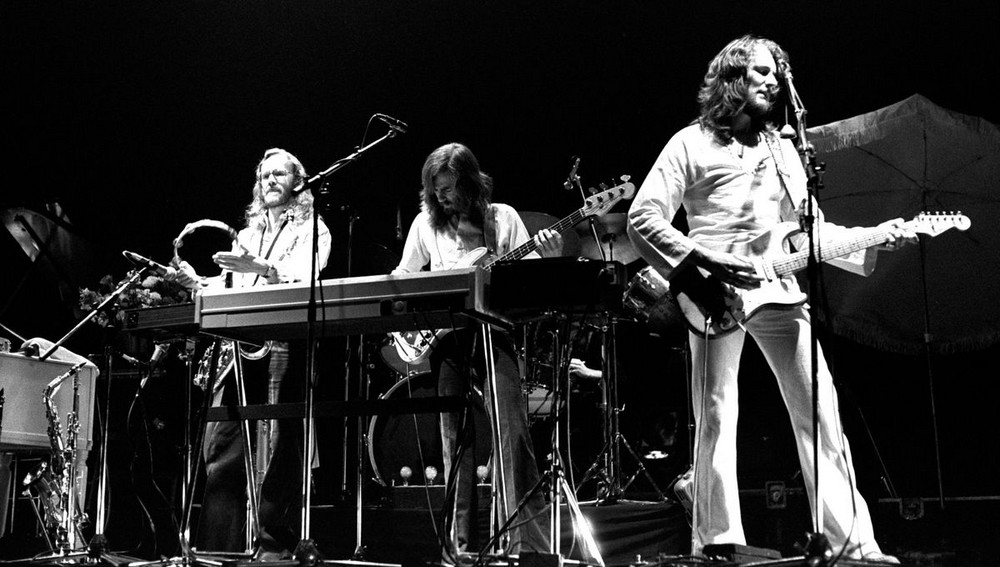
Context: mid-70s progressive pop was splitting between stadium excess and tighter songcraft. Supertramp chose the latter while keeping suite-length dynamics inside single tracks. Crisis? What Crisis? would follow only thirteen months later; the commercial door Crime Of The Century opened stayed open through Even in the Quietest Moments… and Breakfast in America.
What lasts is the craft. Eight songs, no fluff singles campaign padded with leftovers, and a mix that still sounds expensive on small speakers. If you need the moment Supertramp stopped being a cult A&M act and became a chart band with saxophone in the chorus, this is the album that made the case.