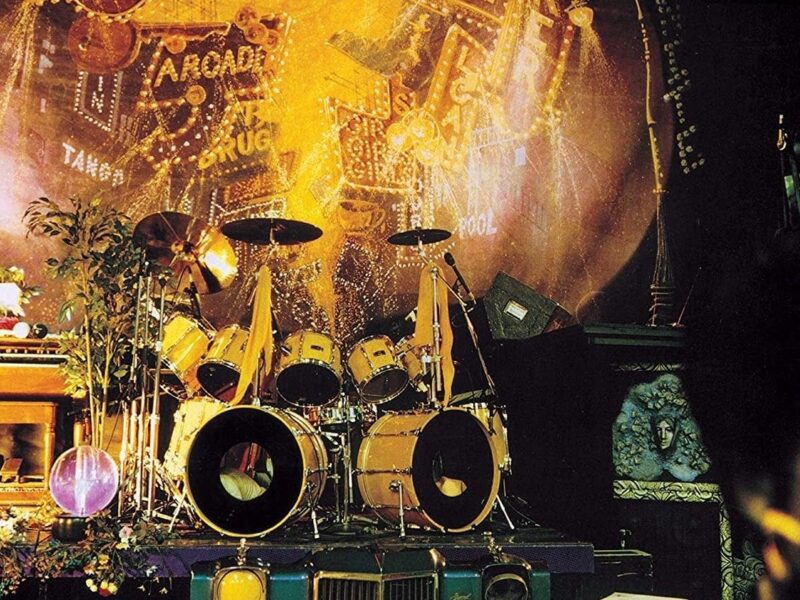

1983 FM synth: Stanford research, presets, and chart DNA
Yamaha launched the DX7 in 1983, an affordable digital synthesizer built on frequency-modulation synthesis researched at Stanford and engineered in Japan. It did not ape Moog warmth. It offered bright bells, metallic basses, and the famous E.PIANO 1 electric-piano preset that flooded mid-80s ballads and soft-rock radio. Within months the instrument showed up across pop and R&B productions—think the era’s chart sheen on records from “Careless Whisper” to “Take On Me”—because session players and producers could recall factory sounds fast.
Programming the DX7’s operators from scratch was hard; most users lived on presets and slight edits. That limitation became a sound of the decade. Brian Eno dug past the factory banks for fractured digital textures. Prince folded DX tones into mid-80s productions as one more color beside Linn drums and guitars. The keyboard’s MIDI implementation also helped it sit in expanding digital studios.
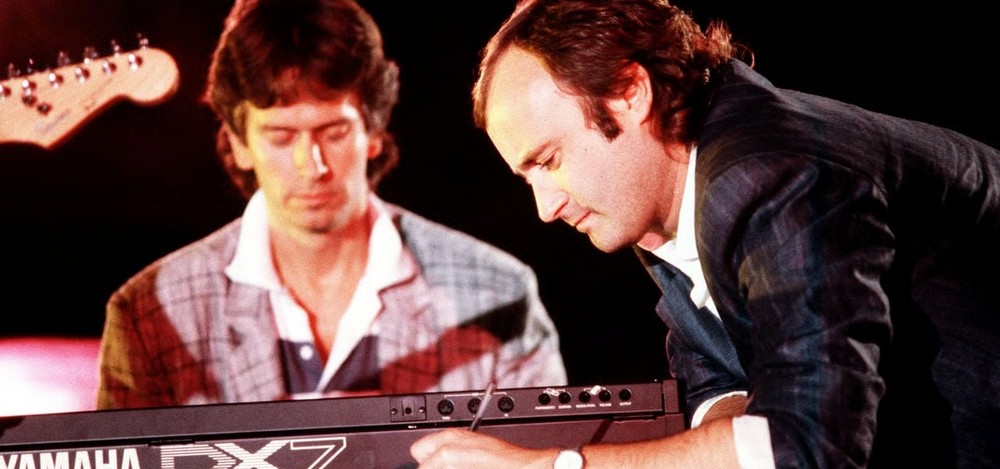
Analog revival later pushed many DX7s into closet corners, then sample libraries and boutique FM clones brought the timbres back. Its inheritance is concrete: the default electric piano of 80s radio, a lesson in how preset culture shapes hits, and proof that a mass-market digital instrument could redefine pop tone as thoroughly as any guitar model.