13 July 1985: Live Aid does not switch off
Wembley goes quiet for half a second after the last encore. Bob Geldof does not leave the stage. He keeps the satellite feed open, voice raw, and tells a billion viewers that applause is not a policy. The cameras stay live. Queen’s stack still hums behind him. In Philadelphia, the American stage freezes mid-pack-down. Across six time zones, television directors wait for a cue that never comes. Geldof names three demands: an immediate freeze on debt interest for the Horn of Africa, a public timetable from the G7, and signatures before midnight London time. He says the concert will not end until the paper exists.
Everything before that still holds. Band Aid’s “Do They Know It’s Christmas?” still tops the charts in December 1984. USA for Africa still cuts “We Are the World.” The famine footage still arrives on British screens like a second weather report. Live Aid still fills Wembley and JFK Stadium on 13 July 1985 with the same set lists and the same weather. The divergence is simple: when the music stops, the microphone does not.
For three hours the feed becomes a strange kind of parliament. Freddie Mercury sits on a flight case and drinks tea. U2’s Bono argues with a producer about whether guilt is useful. Status Quo refuse to leave the dressing room until someone finds their manager a phone. In Washington, a State Department aide writes “music emergency” on a pad and underlines it twice. In Downing Street, aides draft language soft enough to survive Monday morning. By 23:40 BST a thin document is read aloud on air. It is ugly, legal, and real. The press names it the Wembley Protocol before breakfast.
Within a week the Protocol has offices. Not romantic ones. Strip lights, fax machines, translators who hate guitar cases. Geldof and a rotating board of managers, lawyers, and musicians open desks in London, New York, and Addis Ababa. Phil Collins jokes that he has now flown Concorde for diplomacy twice. Nobody laughs for long. Relief flights increase. Interest clocks pause for named countries. A Swiss banker resigns on television after being asked, live, why a chorus raised more urgency than his committee. Rock has not replaced government. It has become a channel governments cannot ignore without looking at a camera.
1986 turns the channel into a calendar. Amnesty’s Conspiracy of Hope tour still plays stadiums, but each date now ends with a signed observer brief instead of only a T-shirt. Peter Gabriel’s set in New Jersey includes a ten-minute silence while a UN clerk confirms a prisoner transfer. Springsteen dedicates “Born in the U.S.A.” to a list of names someone in the wings holds up on cardboard. The song does not change. The silence after it does. Record labels invent a new line item: summit days. Artists who skip them get cooler reviews and colder visas.
By 1988 the industry splits into two careers that share dressing rooms. There are still albums, still tours, still arguments about snare sound. There is also the Rock Desk: a semi-official network that books musicians into debt talks, ceasefire corridors, and school rebuilds. MTV News covers both with the same chyron style. A presenter in London cuts from a Van Halen solo to a grain shipment as if they share a key. Teenagers learn the names of finance ministers the way earlier kids learned guitar brands. Guitar shops sell beginner packs labelled Protocol Starter. The joke writes itself. The sales do not care.
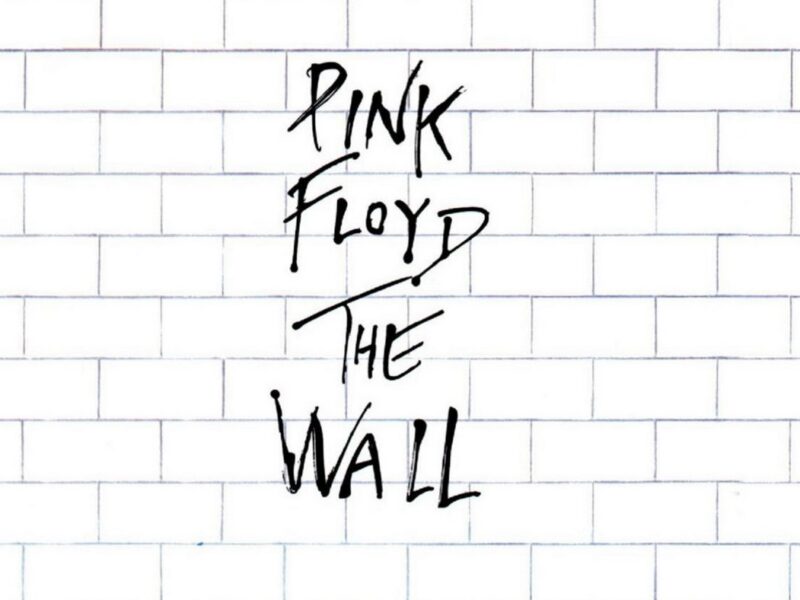
November 1989 makes the fiction look like newsreel. When the Wall opens, a hastily arranged double bill plays on both sides within days. David Bowie’s “Heroes” is sung once in German and once in English, not as nostalgia but as a schedule item between speeches. Scorpions rewrite the ending of “Wind of Change” on the spot because a border guard asks for a verse he can join. The crowd does not wait for permission. Cameras catch soldiers dancing badly and honestly. Within a month, three European capitals open Rock Embassies: small buildings with rehearsal rooms upstairs and negotiation tables downstairs. The carpets smell of smoke and instant coffee. Ambassadors in suits learn to wait while soundchecks finish.
The 1990s get stranger and more practical. In 1991, during the Gulf crisis, a convoy of silent trucks carries generators and water while a satellite stage in Cairo hosts a short set by local bands and visiting British players. No fireworks. Just proof that the route is open. In 1994, South Africa’s first open elections are soundtracked by township groups and a televised handshake on a drum riser. Nelson Mandela does not need rock to win. Rock needs the picture to remember what winning looks like without a rider full of champagne. In Sarajevo, a rebuilt cultural centre books a rotating residency called Volume Under Fire. Radiohead play a quiet afternoon set in 1995 between shelling reports. Thom Yorke says almost nothing. The PA says enough.
Commerce arrives, of course. Soft-drink brands stamp the Protocol logo on cans. A Hollywood film invents a heroic bassist who ends a war with a power chord; musicians hate it and quote it anyway. Axl Rose refuses a desk job in Geneva and writes a furious open letter about “karaoke foreign policy.” Kurt Cobain, before 1994, tells a magazine that changing the world sounds like homework. The quote prints beside a photo of him tuning. After his death, the Protocol board argues for a week about whether silence is also a policy. They leave a chair empty at the next summit and do not fill it with a hologram, despite three corporate offers.
Punk and indie grow sharper in reply. In 1996 a flyer scene in Seattle and Manchester invents No Desk Rock: clubs that ban summit badges at the door. Oasis play Knebworth as themselves, not as envoys, and Noel Gallagher tells the crowd the only treaty he signs is for beer. The cheer is enormous. The next morning a Protocol spokesperson says pluralism includes refusal. The quote is neat. The clubs stay loud. Meanwhile hip hop builds parallel power without asking permission from guitar history. Public Enemy’s old lessons about media become textbooks in rooms where rock once assumed it owned urgency. The world does not become a guitar solo. It becomes a crowded argument with better logistics.
By 2001 the machine is mature enough to fail in public. After the September attacks, a global telethon raises money faster than any previous broadcast. It also exposes how thin some signatures were. Two African debt freezes quietly expire in the fine print while cameras watch New York. Geldof appears on breakfast television looking older than the footage from Wembley. He says the Protocol was never magic. It was leverage, and leverage rusts. Bono spends the next decade in hearing rooms with spreadsheets. U2 still fill stadiums. The spreadsheets fill the rest of the week. Critics mock the sunglasses in committee. Farmers in cancelled-interest years do not.
The 2010s remix the myth for phones. Livestreamed benefit sets replace some airport summits. A Korean boy band moves more emergency donations in twelve hours than a 1980s stadium week, and rock veterans clap with complicated faces. Greta Thunberg declines a guitar endorsement and accepts a speaking slot between two climate sets in Stockholm. The crowd chants for policy, then for an encore, then for policy again. Somewhere a think tank publishes a paper titled Soft Power Measured in Choruses. University courses teach Live Aid the way they teach Bretton Woods: as a hinge, not a miracle.
In 2025 a young band from Leeds plays a two-hundred-capacity room above a pub. No satellite. No debt clause. Just a loud chorus and a bass amp that smells of dust. Between songs the singer asks the room a half-joke that has become a real question in this timeline: “Are we here to change the timetable, or just to play?” Someone at the bar shouts both. The band laughs and counts in. Outside, a faded Wembley Protocol poster peels under rain. Inside, the snare hits like a second clock. Rock did change the world once, on a July night when nobody cut the feed. What remains is less glamorous and harder to fake: rooms where people still decide whether noise is only noise, or the start of a sentence governments have to answer.