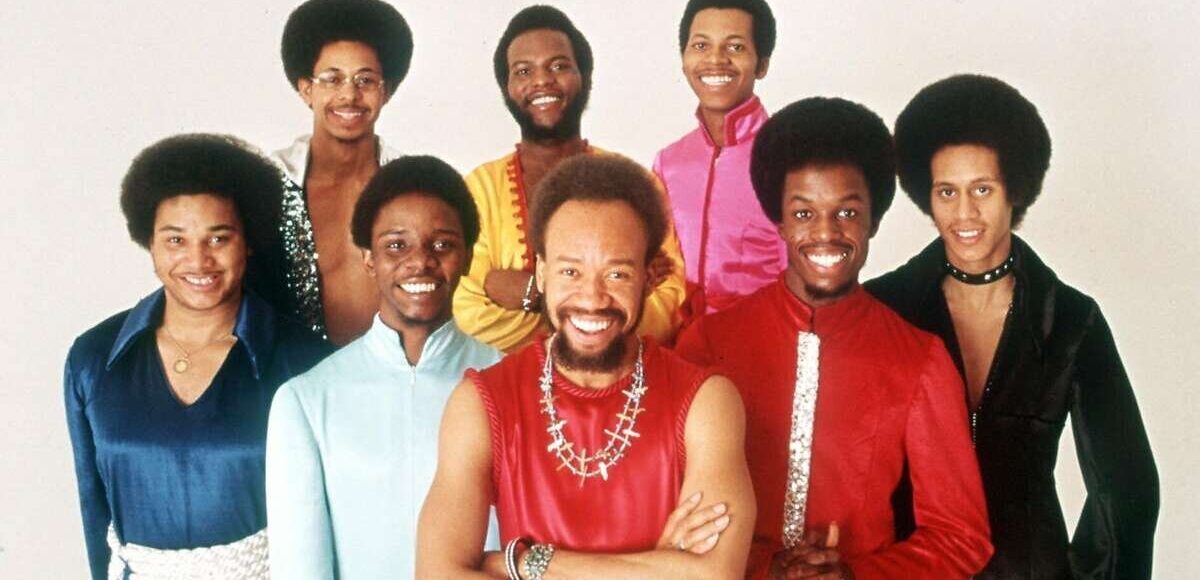
Written in two days, sung with the Emotions
On 27 and 28 March 1978, Allee Willis and Jon Lind wrote Boogie Wonderland at Willis’s place in Los Angeles, on Lind’s acoustic guitar. They were looking for a club name in the phone book. The first chorus they liked was “Johnny’s Casino Lounge.” The title that replaced it arrived in the room and stuck. Willis later said that, in their heads, it was not really a club. It was a state of mind.
The lyric follows someone who goes out dancing to get through the day: midnight, a chase after a feeling, romance that shows up when the dancing starts. It is cheerful on the surface and more tired underneath. Another act had already cut a version. Willis and Lind were not happy with it. The record that lasted was the one Maurice White’s band made.
Earth, Wind & Fire recorded it with the Emotions during the sessions for I Am, in Los Angeles between September 1978 and March 1979, at Hollywood Sound, Sunset Sound and Davlen. Maurice White produced, with guitarist Al McKay as co-producer on this track. Ben Wright arranged the strings and horns. Philip Bailey’s high voice and the Emotions’ answers trade lines over a steady dance beat, Verdine White’s bass, and a horn figure that keeps returning. The 7-inch single runs just under five minutes; the 12-inch stretches past eight, with an instrumental on the B-side. The Emotions, the Chicago vocal group whose Best of My Love White had produced in 1977, are credited with the band, not as an unnamed backing choir. Columbia’s ARC label issued the single in April 1979, ahead of the album.
In our heads, it wasn’t really a club but a state of mind.
(Allee Willis, Songwriting Magazine)
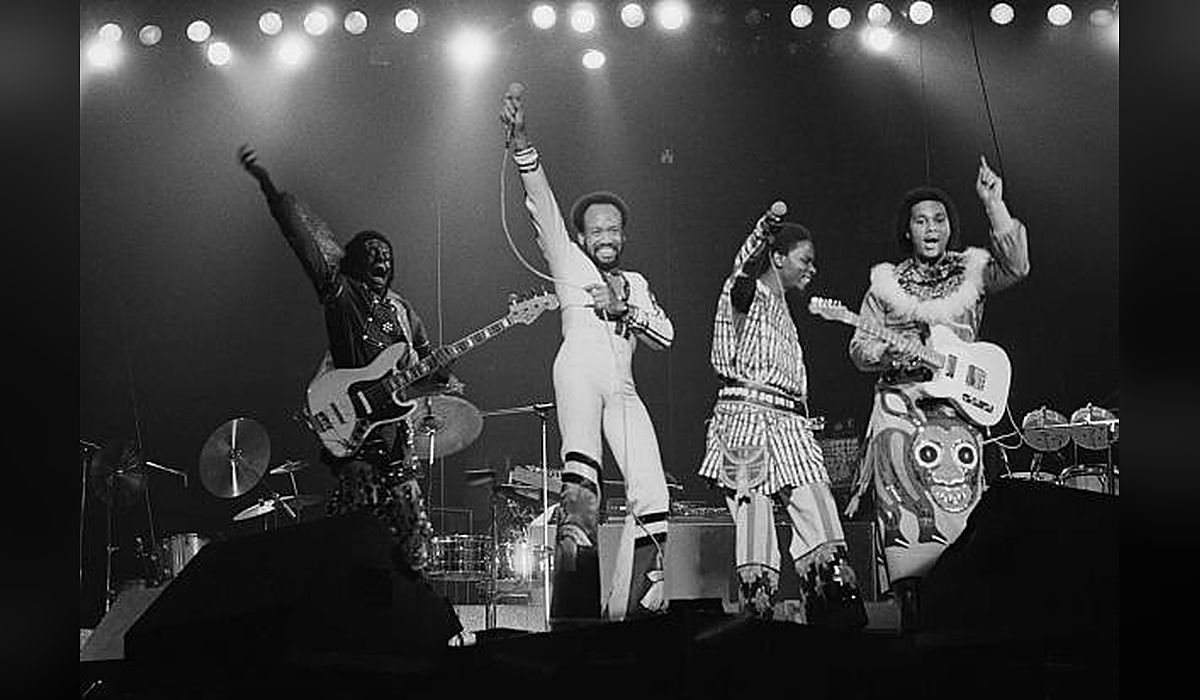
I Am came out in June 1979 and reached number three on the Billboard 200 and number one on the soul album chart. Boogie Wonderland peaked at number six on the Hot 100, number two on the soul singles chart, and number 14 on the dance chart. In Britain it reached number four and was later certified platinum; in the US the single went gold. The Grammy for Best R&B Instrumental Performance went to the instrumental B-side, the same performance with the voices removed. The record was also nominated for Best Disco Recording. The same album also held After the Love Has Gone.
The song sits between the band’s 1978 single September and the ballads on I Am. It is the track where the horn section, Bailey, and the Emotions are all in the foreground at once. The dance floor in the title is the one Willis and Lind invented in a living room, then handed to a band that already knew how to make a room move.