Mothership first, then the setlist learned
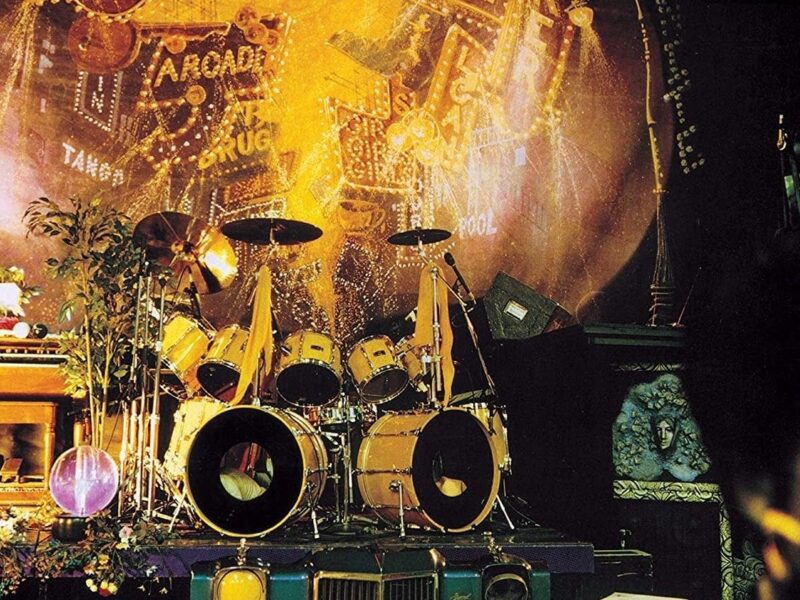
Municipal Auditorium, New Orleans, 27 October 1976. The P-Funk Earth Tour opens, and with it a stage prop George Clinton wanted more mobile than Pink Floyd’s. Jules Fisher designed the ship. The cost, later reported around half a million dollars, was Neil Bogart’s gamble at Casablanca Records. A smaller craft was meant to sail over the heads on a wire. Then the Mothership itself: lights, smoke, disco balls, and Clinton at the top of the stairs as Dr. Funkenstein. Hugh Masekela played. Bootsy’s Rubber Band played. Then Parliament-Funkadelic, which in that year was less a fixed lineup than a moving city: Bernie Worrell, Bootsy Collins, Garry Shider, and whoever the night required.
They landed the ship at the beginning. Archie Ivy, Clinton’s longtime manager, has described the room going, in his word, bananas. The problem was musical, not mechanical. You cannot follow your own climax. The next night, in Baton Rouge, the landing moved to the end of the show, and that is where it stayed. New Orleans is the only city that saw the original order: spaceship first, funk after. The songs themselves did not need the head start. Mothership Connection, Give Up the Funk, the cartoon cosmology of The Clones of Dr. Funkenstein, just out. But the mistake is the document: a band learning in public that a climax is a place you arrive, not a place you depart.
The filmed landing most people know is Halloween in Houston, four nights later, same tour, same ship. It is the right machine and the revised script. The New Orleans night has fewer pictures and a clearer story. A seventeen-year-old Ivan Neville was in the building. He remembers fur and a door opening. That is enough. Funk in 1976 was already a studio science. This was the night it insisted on being theatre, with a budget and a punchline that came too soon.
We get to New Orleans, and the show starts off and they do the prologue and the Mothership comes down and George comes out, and the place goes absolutely bananas.
(Archie Ivy, Gambit)
What the ship did, past the gag, was give Black American dance music the same right to spectacle that rock had taken for granted. Lasers, screens, a violin bow on a guitar: Led Zeppelin would bring those to a field three years later at Knebworth. Clinton brought a spacecraft to a municipal hall and called it a funk opera. The word is not a stretch if you count the costumes, the plot, and the length. These shows could run for hours. The ship was the overture that, after one night, became the finale.
The prop eventually went to the Smithsonian. On 27 October 1976 it was not an exhibit. It was a risk lowered onto a stage in Tremé, and a singer in a costume the room treated as arrival, not as costume. They screamed. He held the rail. After that, the setlist had to earn the right to follow the landing.