
Four chords at Lake House, then a walk with the headphones on
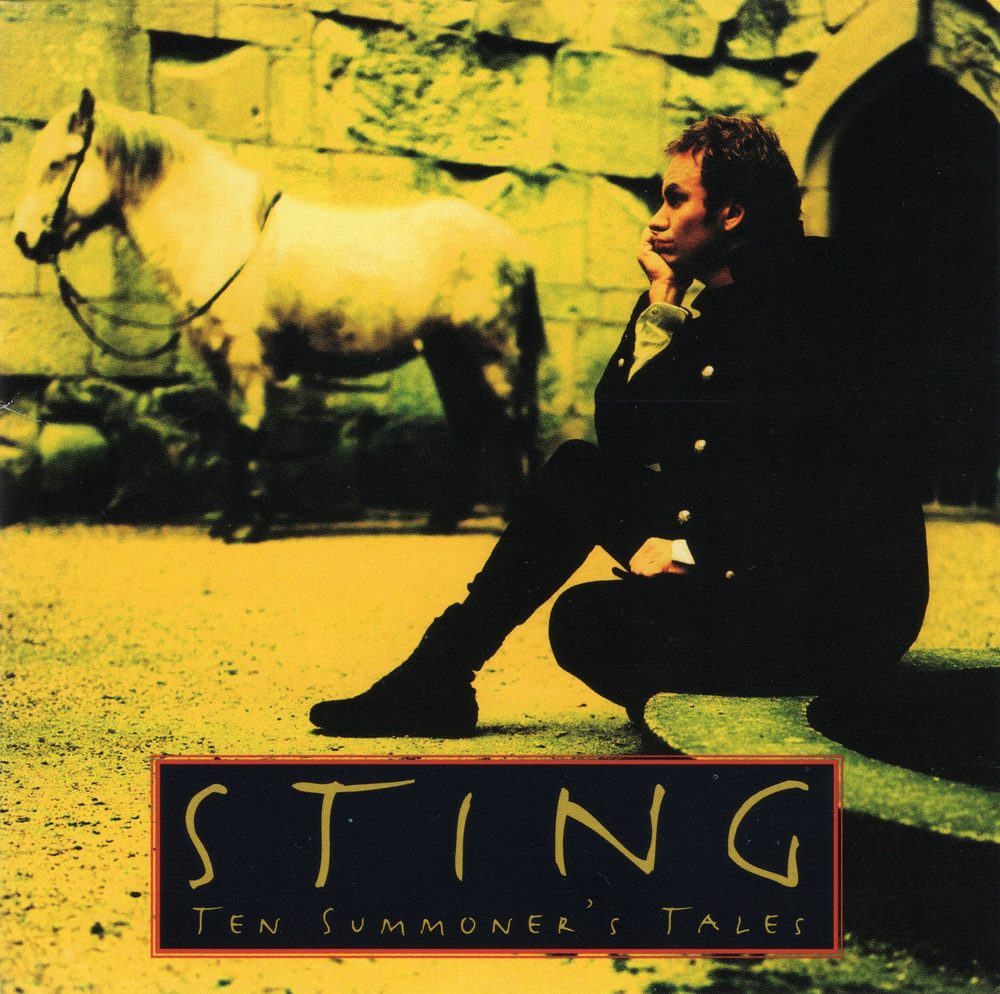
Dominic Miller and Sting kept a Wednesday habit at Lake House, the Elizabethan house in Wiltshire where Ten Summoner’s Tales was recorded between June and December 1992. One week Miller arrived with a small guitar figure: sixth chords in the manner of a Chopin warm-up, the third of the chord left out so the harmony stayed open. He has said he was only loosening his hands in front of the fire. Sting heard a song. They went into the house studio, put a drum machine up, and cut a sketch the same morning. Miller later recalled that the piece was written and recorded in a day, just the two of them and an acoustic guitar.
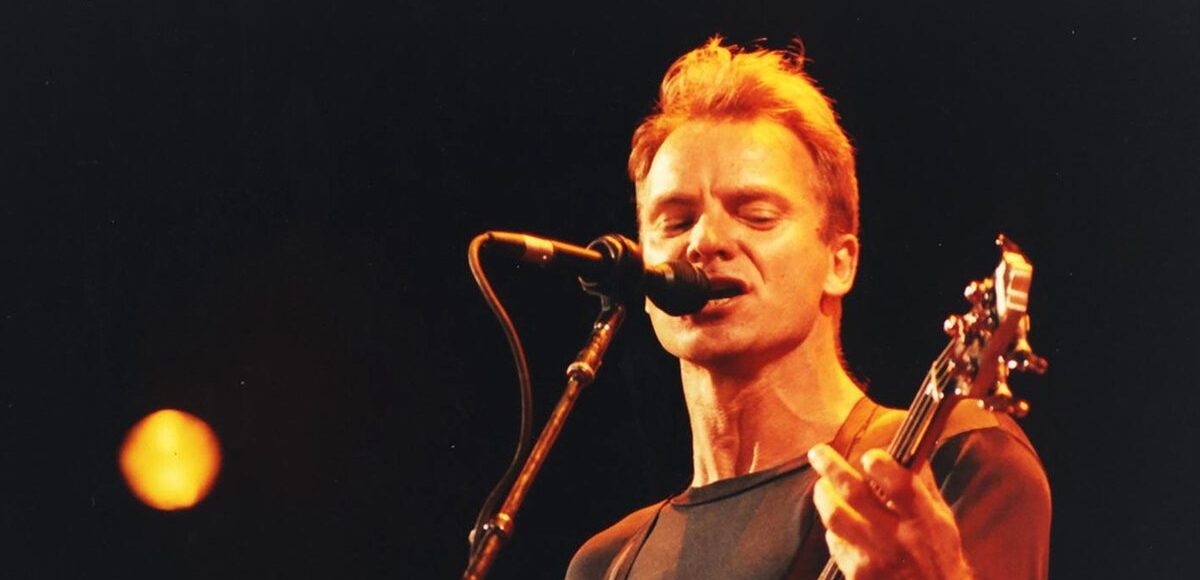
The lyric came on the walk. Sting took the headphones into the garden and asked what story those chords were telling. He landed on a card player who is not chasing the pot. The suits do the work of the metaphor he actually uses: spades as swords, clubs as weapons, diamonds as money, and none of them as the shape of the heart. On the album version the sketch grows up. Larry Adler, then in his eighties, plays chromatic harmonica. Dominic Miller’s nylon-string guitar stays at the front. Vinnie Colaiuta is the drummer across Ten Summoner’s Tales, with David Sancious on keyboards. Sting plays bass and sings. He and Hugh Padgham produced. Padgham mixed the album at The Town House in London, and Bob Ludwig mastered it in New York.
A&M released Ten Summoner’s Tales in March 1993. Shape of My Heart is the fifth single, out on 23 August 1993, with Fragilidad on the B-side. The clip, directed by Doug Nichol, was filmed back at Lake House and premiered that September. The single reached UK number 57 for one week, on 4 September 1993, and did not chart in the United States. It still travelled. It sits inside the 1993 film Three of Hearts and plays over the end credits of Luc Besson’s Léon in 1994. On the record the tempo stays unhurried, the guitar dry, the voice close. You hear the cards being dealt before you hear anything like a pop chorus.
I wanted to write about a card player, a gambler who gambles not to win but to try and figure out something; to figure out some kind of mystical logic in luck, or chance; some kind of scientific, almost religious law.
(Sting, promotional interview, 1993)
The guitar line outlived the chart position. In 2003 Craig David built Rise & Fall on it, with Sting credited as a featured artist, and Sugababes used the same figure for Shape. In 2018 Juice WRLD’s Lucid Dreams interpolated the riff rather than sampling the 1993 master. Producer Nick Mira said Sting’s publishing share came out at 85 percent. Sting told Billboard that autumn that the record was “a beautiful interpretation that is faithful to the original song’s form,” and joked that the royalties would put his grandchildren through college. It was the second time a later hit had carried his writing to the top of the US R&B chart, after I’ll Be Missing You had rebuilt Every Breath You Take.
What you put on now is still the 1993 recording: Miller’s guitar, Adler’s harmonica, Colaiuta’s light touch, Sting’s bass under a vocal that never raises itself to win the argument. The single missed the Top 40. The song became one of the few solo tracks people name before they name The Police. The card player never shows a second face. That is the whole performance.