
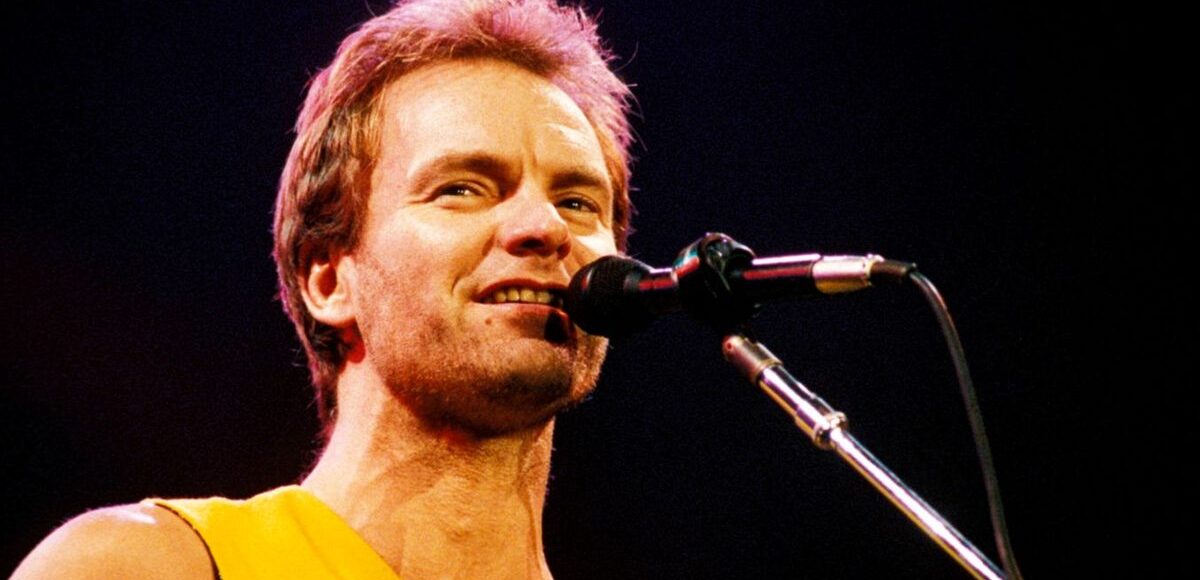
The flagship single from a Wiltshire house
Recording for Ten Summoner’s Tales ran at Lake House, Sting’s home in Wiltshire, from June to December 1992, with the mix done at The Townhouse in London and mastering at Masterdisk in New York. Hugh Padgham co-produced, as he had on The Soul Cages. He told Recording Musician in May 1993 that the days started late, broke for a proper lunch, and rarely bogged down, and that he hoped you could hear that in the music. If I Ever Lose My Faith in You was the song that told them the album had a centre.
The band is the small group from the Soul Cages tour: Sting on bass and vocal, Dominic Miller on guitar, Vinnie Colaiuta on drums, David Sancious on keyboards. They tracked in the same room. Accounts of the first day say the backing track was finished in a handful of passes, including run-throughs, rather than built from isolated overdubs. You hear that in the way the bass and the drums answer each other. It is a pop single that still sounds like four people looking across a floor.
The lyric is precise about what he has dropped and vague about what he has kept. Science and progress, the holy church, people on television, politicians who look like game-show hosts: those get named. The you in the title does not. A&M released the single on 1 February 1993, ahead of the album. It reached No. 14 in the UK and No. 17 on the Billboard Hot 100. In Canada it hit No. 1 on the RPM chart and stayed there for three weeks, finishing the year among the country’s biggest singles.
Howard Greenhalgh directed the video, with footage shot around Glastonbury Tor and the south coast of England, Sting pictured at moments like a king set against the sea. At the 1994 Grammys the song won Best Male Pop Vocal Performance and was nominated for Record of the Year and Song of the Year. Ten Summoner’s Tales itself was up for Album of the Year. He later told the Independent he was surprised it became the most-played record on American radio in 1993. He thought it had caught a mood: faith gone from governments and churches, hope kept anyway.
I’ve just said if I ever lose my faith in you, and you could be my producer, it could be faith in God, it could be faith in myself, or it could be faith in romantic love. I think it’s important not to define it, because once you can define something it evaporates.
(Sting, 1993)
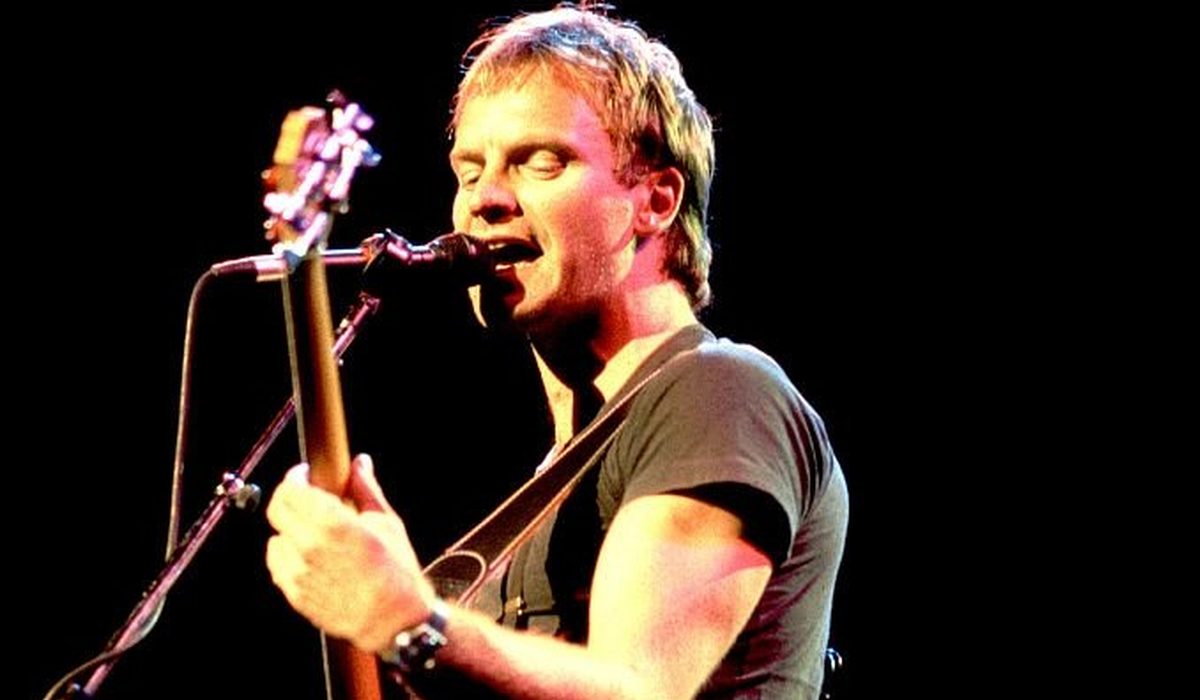
After The Soul Cages, written in the shadow of his parents’ deaths, this album is brighter without pretending the doubt has gone. The single is the proof: a straight chorus, a band recorded looking at each other, a lyric that will list institutions and will not name the hope. Sting told Rolling Stone in 1993 he knew it had a hook and thought of it as a flagship. Without one, he said, there was not much point putting a record out.
It has stayed in the set, moving over the years from opener to encore. The version to hear is the Lake House take on Ten Summoner’s Tales, not a later compilation edit. A house in Wiltshire, four musicians, a chorus that still does not tell you who you is.