Written for Quentin Crisp, after The Bride
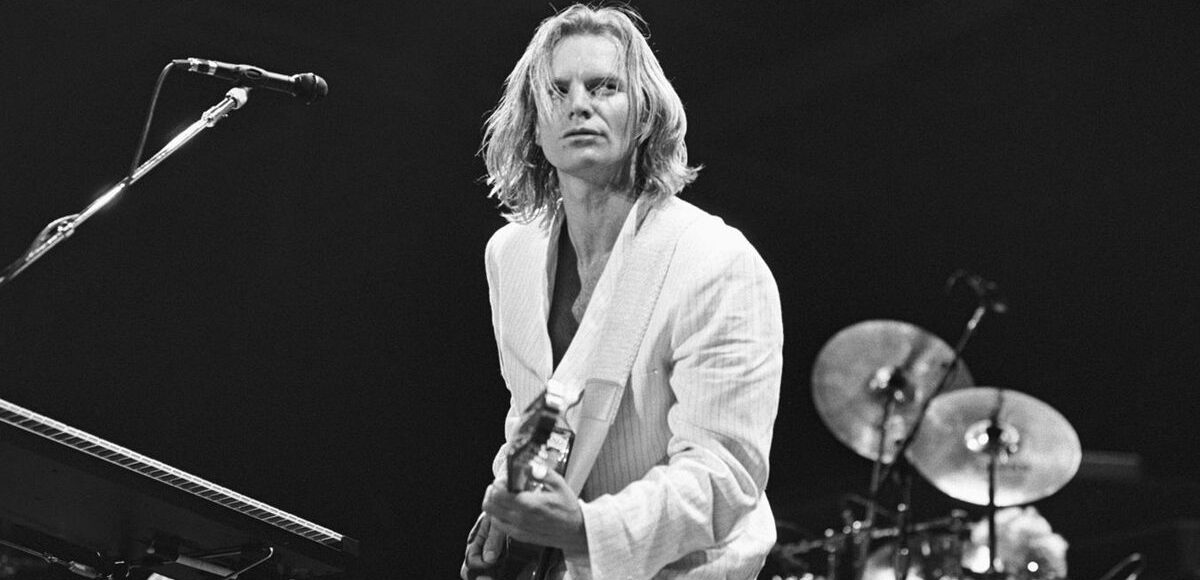
…Nothing Like the Sun came out in October 1987 on A&M, Sting’s second solo album, co-produced with Neil Dorfsman. Englishman in New York sits on it as a portrait. The Englishman is Quentin Crisp, who had left London for an apartment in the Bowery. Sting met him while playing Dr Frankenstein in the 1985 film The Bride. In the liner notes he kept Crisp’s joke: he looked forward to his naturalisation papers so he could commit a crime and not be deported. Asked what kind of crime, Crisp wanted something glamorous, non-violent, with a dash of style.
The track walks. Manu Katché plays drums, Mino Cinélu percussion, and Branford Marsalis takes the soprano saxophone. At one point the band slips God Save the Queen into a minor key, a joke Sting later told Guitar magazine almost nobody else hears. A short burst of hip-hop drums cuts the middle. He told the Independent on Sunday in 1994 that the record company tried to talk him out of that break. He kept it, because the song was about turning a New York corner and hearing a different music on each block. The chords, he also said, belong to the same family as If You Love Somebody Set Them Free.
A&M released the single on 5 February 1988. It reached No. 51 in the UK and No. 84 on the Billboard Hot 100, with a stronger run in the Netherlands, where it made the top 10. David Fincher shot the video in black and white: Sting, Marsalis, the band, and Crisp on the street. When the music fades, Crisp’s voice stays. His ambition, besides being a chronic invalid, was to meet everybody in the world before he died. In 1990 a Ben Liebrand remix, helped by fresh television interest in Crisp, took the song to No. 15 in Britain. That second chart life is the one most people remember.
The song is about someone else. It’s about Quentin Crisp. I think he is one of the most courageous men I’ve ever met, and one of the wittiest. He was flamboyantly gay at a time when it was physically dangerous to be gay.
(Sting, Rolling Stone, 1988)
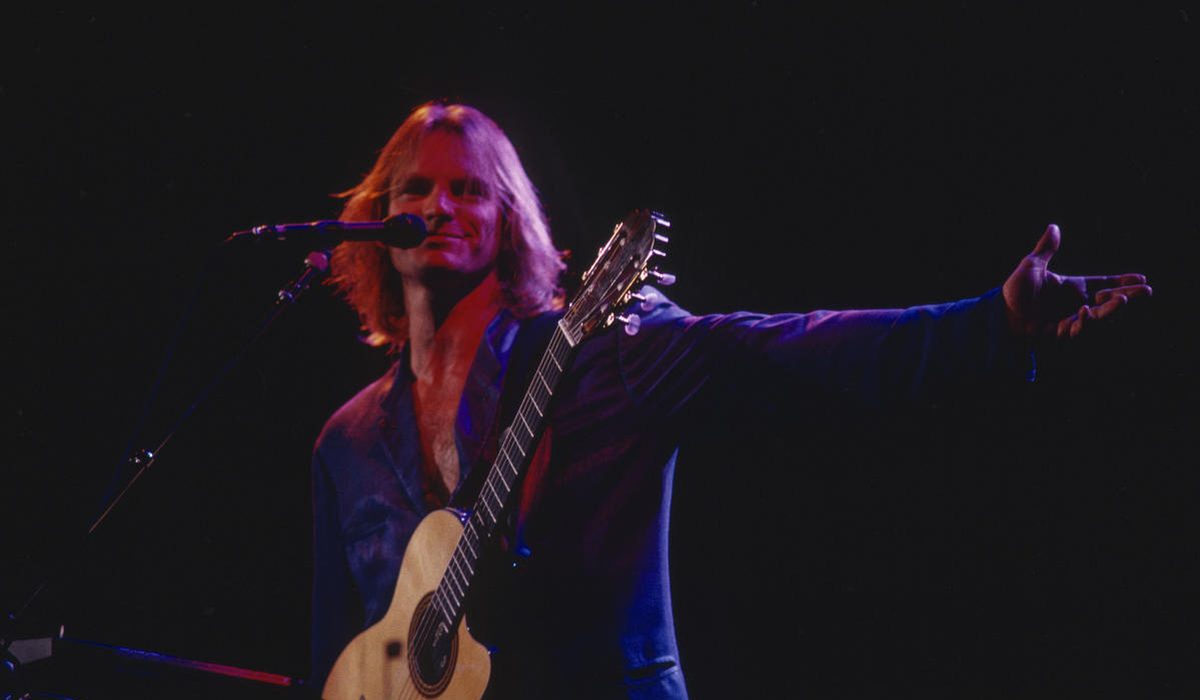
Next to the Police records, the arrangement is looser and more arranged at the same time: jazz saxophone, percussion that does not lock to a rock backbeat, a vocal that stays conversational. The alien line is the hook. The verses are full of Crisp’s manners. Sting told Rock Express in 1988 that he did not want the song to be only about himself as an outsider. He wanted it about someone he admired, and about refusing to conform.
Crisp kept calling him Mr Sting. A 2009 television film about Crisp’s later years took the song’s title. The recording to play is the 1987 album take, saxophone included, before the remix smoothed the corners. The minor-key anthem is still in there if you listen for the quote.
Kenny Kirkland is on the record too, the pianist from the Blue Turtles band, which is why the harmony never sits in a straight pop grid. Play it loud enough to catch the saxophone quote, then the hip-hop bars. They are short. They are the point.