
A Brussels dance record that lists the problems before the chorus
Paul Van Haver was 24, working under the name Stromae, maestro turned backwards. The single came out in Belgium on 26 September 2009, written by him and produced with Dimitri Borrey. The kick is steady, the synth line narrow and minor, the vocal close to speech. The verses are a chain and not a scene: study, work, money, credit, debt, the bailiff; then love, children, divorce; then crisis and famine. The chorus does not solve any line of that list. It says: so we dance. The radio edit runs about three and a half minutes. That is the record, not a later club rework.
He has described the idea without dressing it up. The clip, directed by Stromae and Jérôme Guiot, plays the same loop in pictures. A man finishes the office day, is turned away at the door of the house where his child lives, loses his coat in the street, sings on a small stage in a bar, and is carried back to the desk. There is no second ending. Cheese, the debut album, followed on 14 June 2010 on his label Mosaert, through Vertigo and Universal Music France. Alors on danse is the track the album is built around. The other singles, Te Quiero and House’llelujah, come after it.
The beat had been made the way he already worked: nights in Brussels, samples, a computer, then a proper production pass with Borrey. Before the hit he had been holding down shifts, including time at a Quick in the city, and putting whatever was left into tracks. The song does not sound like a diary of that job. It sounds like the logic of it. You go out to forget the list, and the list is still there when the kick stops. In February 2010 the single moved beyond Belgium. It reached number one in France, Belgium, Germany and a long run of European charts, and it topped the European Hot 100.
I decided to tell a story about the reason why we dance. Because I was in clubs and I love clubs, but there is so much melancholy there.
(Stromae, NPR, 2014)
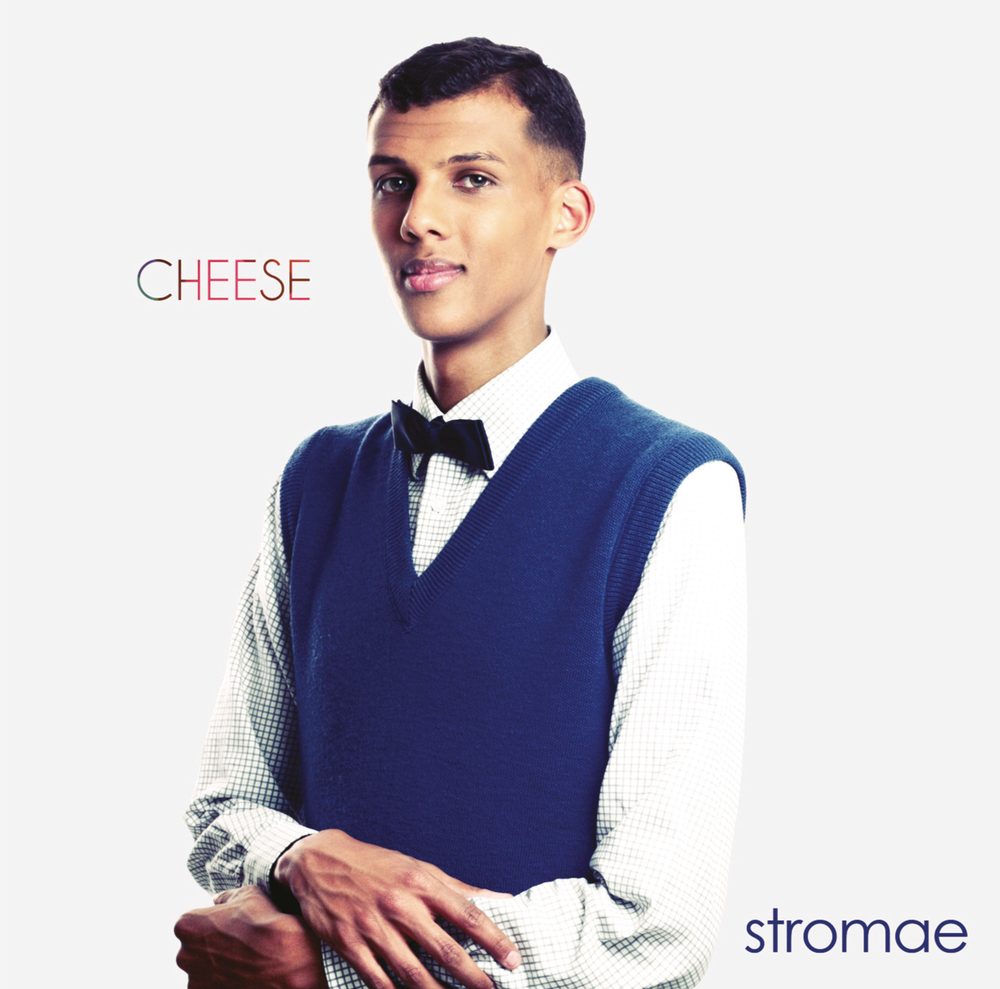
In August 2010 Kanye West and Gilbere Forte put a rap over the same beat. Stromae did not need the feature to be heard. The original was already a European number one, made by someone who had been assembling tracks at night rather than waiting for a studio budget. The production stays thin on purpose. There is no key change and no guitar solo. Borrey and Stromae keep the low end round and the top line nagging, so the chorus feels like a decision. You can dance to a list of debts. That is the arrangement.
Put the 2009 recording on, the one that opens Cheese, not a compilation edit. You get the office, the bar, and the kick that does not pretend the morning will be kinder. The song made a Brussels producer a chart act across the continent, and it did it by refusing to sound like good news. The melancholy he heard in clubs is still in the vocal, sitting right on top of a beat built for a floor.