Prince turns Minneapolis clubs into a full-length pop film
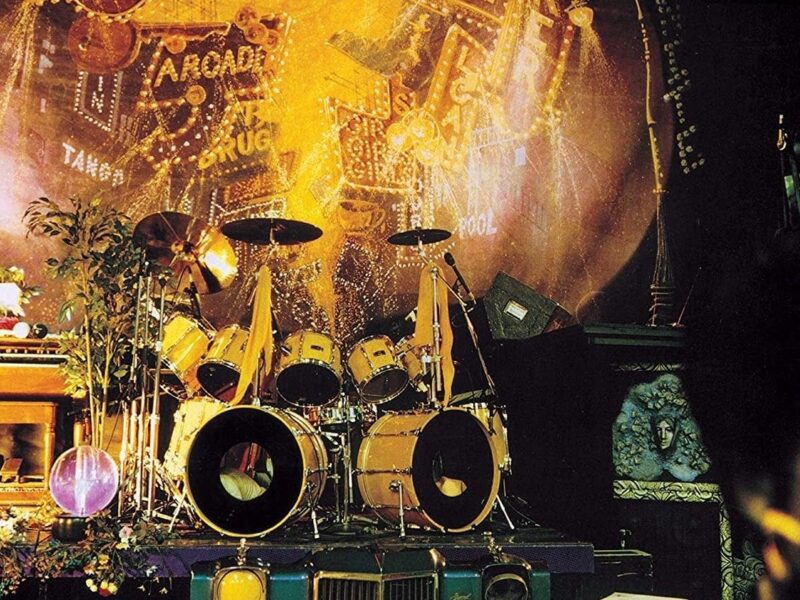
The Kid does not walk into First Avenue so much as detonate inside it. Albert Magnoli’s Purple Rain, released in July 1984, follows a Minneapolis musician through a violent household, a rival named Morris Day, and a singer called Apollonia. On paper it is a rise-and-fall backstage drama. On screen it is something sharper: a feature-length proof that Prince and the Revolution already thought like cinema, and that the songs would do most of the directing.
Music carries the story whenever the dialogue thins. Let’s Go Crazy opens the club like a sermon and a joke in the same breath. The Beautiful Ones is a crawl across the floor that the camera knows not to tidy. When Doves Cry, built without a bass line, with Prince playing most of the parts himself, still sounds like a room with the furniture dragged out so the feeling has space. Wendy Melvoin and Lisa Coleman are not scenery. In the film, as in the band, they are the pressure that makes him let other hands on the songs. The title track, with its long guitar weather at the close, is filmed like a service. People cry because the chords ask them to, not because a script underlines the tears.
Morris Day, Jerome Benton, and The Time keep the picture from drowning in its own bruise. They are funny, sharp, and local, a reminder that the Minneapolis scene was a competition, not a coronation. The domestic scenes are clumsier: a father who hits, a son who repeats the gesture, a redemption that arrives because the third act needs one. The film knows little restraint, which is both its pulp and its honesty. Darling Nikki would soon be waved by parents who wanted warning stickers on records. Prince had already put the warning in the lyric and danced anyway.
One of the greatest rock movies of all time.
(Roger Ebert, Chicago Sun-Times, 1987)
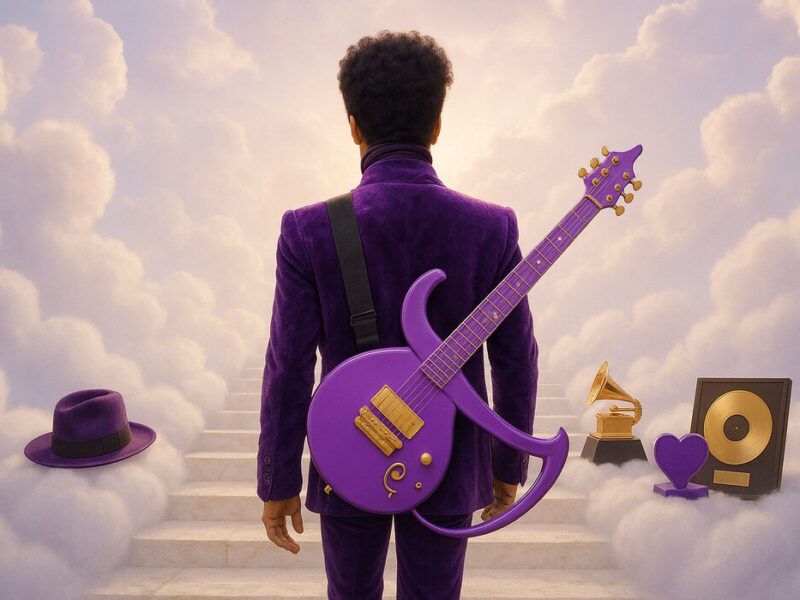
Shot in the clubs and streets Prince actually used, the picture won the Academy Award for Best Original Song Score in 1985. That prize sounds administrative next to what the summer felt like. The album and the film occupied the same charts, the same radio, the same posters. Pop, in 1984, could still be a local argument staged for the whole country. The Kid learns to share credit with his band. The lesson is corny. The music that carries it is not. You leave remembering the white guitar and the Revolution’s live attack more than the moral, which is how pop often smuggles its morals.
Later Prince films tried to repeat the spell and found that a spell resents repetition. Purple Rain stays because it was made at the moment the songs were larger than the story, and the story was humble enough, just barely, to stand aside. For music fans the doors are obvious: the soundtrack album from top to bottom, the First Avenue sequences, Wendy and Lisa’s presence inside the arrangements, Morris Day’s counterweight, and the title-track finale that turns a club into a church. Minneapolis looks small. The sound does not. A performer who trusted almost nobody writes a movie about learning to trust the band, and for two hours you believe the lesson because you can hear it.