




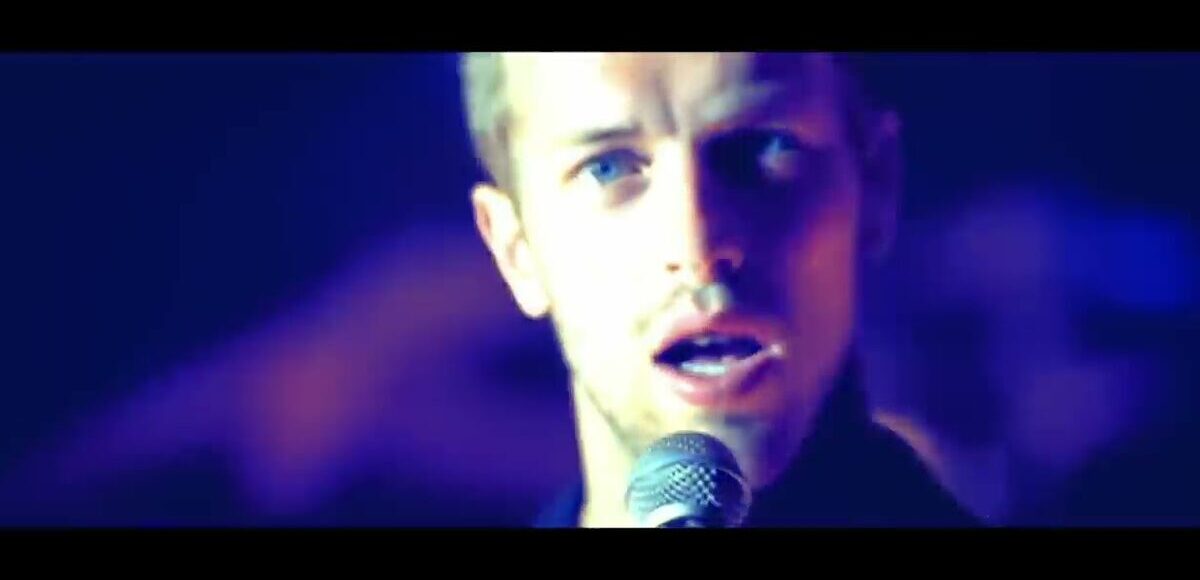
2002 A Rush of Blood single, late piano figure
Clocks is Coldplay’s 2002 Parlophone single from A Rush of Blood to the Head, built on Chris Martin’s repeating piano triplets that do not settle into a soft ballad. The band thought the album was finished; the piano figure arrived late and was too strong to leave off. Jonny Buckland’s guitar, Guy Berryman’s bass, and Will Champion’s drums lock around the piano instead of burying it. The vocal rides urgency without turning into a scream. Ken Nelson and the band’s production keep the stereo clear so the pattern stays hypnotic.
The single became a global radio fixture and later earned major awards attention, including a Grammy for Record of the Year. It also became a reference point for early-2000s British alternative on mainstream playlists. Live, the piano intro still resets arenas before Martin’s vocal enters. The lyric’s circling time images match the keyboard pattern without needing a plot summary. The pattern keeps moving.
After Parachutes, Coldplay faced the usual second-album pressure. Clocks proved they could write a hook that stayed close in the vocal and still filled a stadium. Buckland’s lines color the edges. Champion’s drums push without metal thunder. Berryman stays supportive. The arrangement’s discipline is why soft-rock radio and alternative charts could share it. The mix does not add a key-change finish. The piano already carries the climb.
As a 2002 document, the song shows how a late studio arrival can redefine an album’s public face. Martin’s quote about it being too late to pretend they could leave it off is the brief. Play it after a quieter Parachutes cut and the scale jump is audible. Same band, wider room, same clear piano language.
Music supervisors and sports opens later saturated the riff, which tired some listeners and kept the pattern on air. The studio take remains clean: triplets first, band second, vocal third. Put it on when a set needs forward motion without a shout chorus. The lyric keeps circling time. The piano does not settle into a ballad pose. Second-album nerves became a repeating figure the world could hum, and the band’s later stadium years did not need a later rewrite to explain how late that figure arrived. Awards and radio saturation followed, yet the studio cut still sounds like four players locking to a piano pattern that almost missed the album sequence entirely.
We thought the album was done. The piano turned up at the end, and it was too late to pretend we could leave it off.
(Chris Martin, on the Rush of Blood sessions)
Clocks still defines Rush of Blood’s public pulse: late piano triplets, clear band lock, Martin urgency without scream.
Put it on when a playlist needs motion. They almost left it off. The piano figure stayed.
Priya | 12 October 2026
|
Short take: the groove on Clocks still feels unfair.
Yuki | 14 October 2026
|
Bass line on Clocks is the whole argument. Rest is decoration.
Bea | 15 October 2026
|
Opened the article, heard the riff in my head before the embed loaded. Classic. I am biased and fine with it.
Marc G. | 15 October 2026
|
I show Clocks to friends who say they hate that era. Works every time. I told my coworker and they shrugged. Their loss. That is all.
Jules M. | 16 October 2026
|
Heard Clocks a thousand times. This reminded me why it stuck. Might be recency bias but I do not care today.