
An oath before the three chords
The first line does not sing so much as it clears the room. Gloria begins with a refusal, spoken almost flat, and only then does the band pick up the three chords everyone in the room already knows by heart. Piano, bass and a guitar that still smells of a garage argue with the poem until the name itself becomes a shout. Nothing about the opening asks permission. It announces a body, a will, and a version of a hit that will not stay in the key of nostalgia.
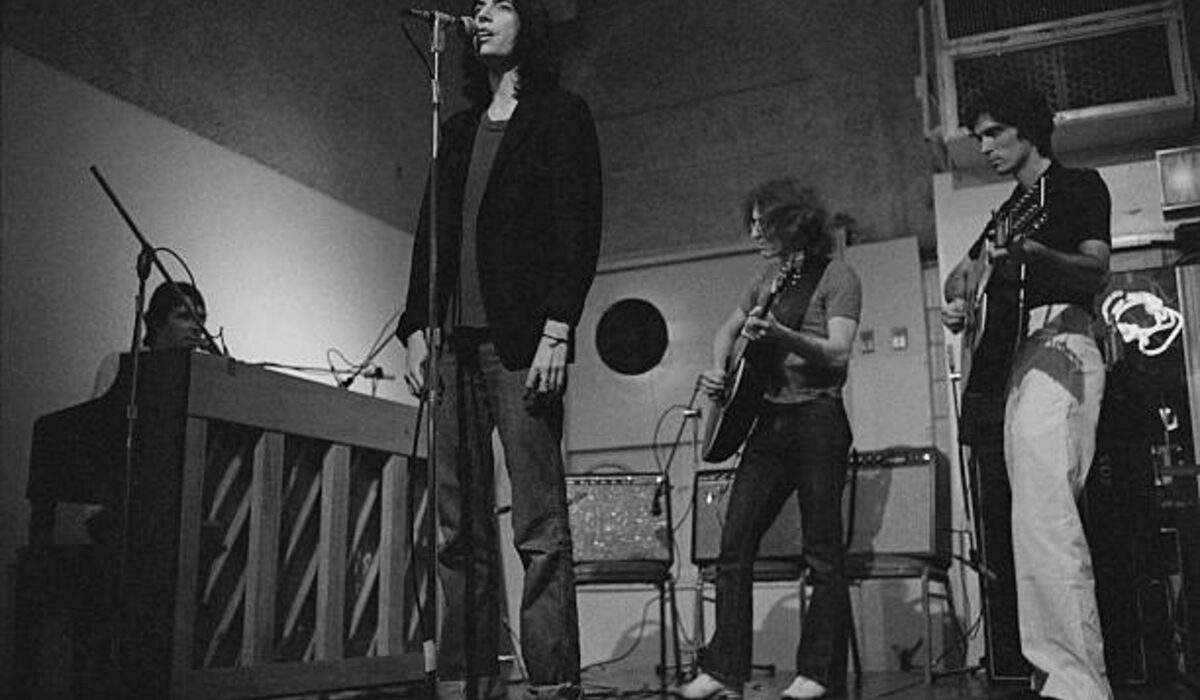
Patti Smith recorded it in September 1975 at Electric Lady Studios in New York, with John Cale producing, for the album Horses, released by Arista on 10 November. The band was the one that had been sweating through sets at CBGB: Lenny Kaye on guitar, Richard Sohl on piano, Ivan Král on bass, Jay Dee Daugherty on drums. The opening sentence came from her 1970 poem Oath, welded onto Van Morrison’s Gloria, the song Them had made a standard of male appetite. Smith kept the chords and turned the appetite around. Cale pushed for arrangement. The group wanted the live spill. The record keeps both, which is why the track still feels like a fight that agreed, at the last minute, to be a song.
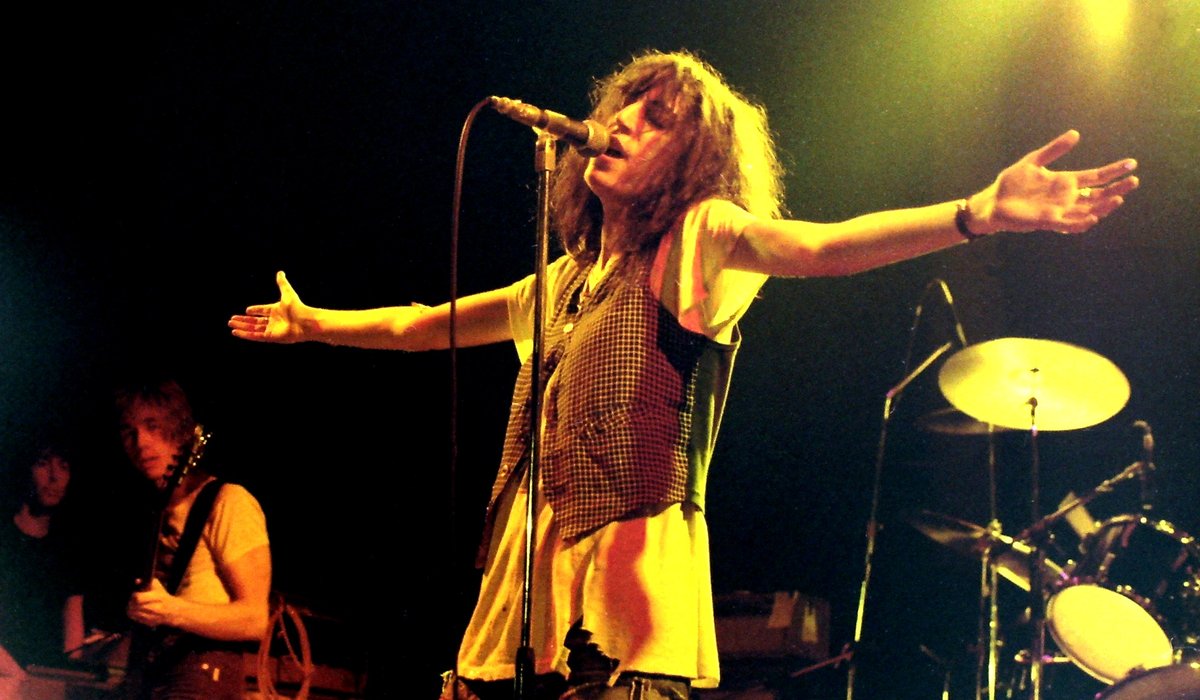
On stage the piece stretched, stalled, and then ran. Smith treated the lyric as a score she could abandon. The band followed the temperature rather than the bar count. In the room, Gloria was less a cover than a seizure: the old chorus survived so that the new first line would have something famous to contradict. Mapplethorpe’s cover portrait, the white shirt and the black jacket, matches the music’s dare. Look, and do not look away.
All I was really looking for was a technical person. Instead, I got a total maniac artist.
(Patti Smith, Rolling Stone, 1976)
Critics heard the future of punk in a record that still loved the sixties it was roughing up. The song did not top charts. It did something ruder: it made a generation of singers realise that a poem could kick a backbeat and survive. Cale’s severity, which Smith would later describe as a season in hell, left the vocal naked rather than decorated. You can hear the room. You can hear the decision not to smooth the join between speech and chorus.
What remains is the nerve of that first sentence. Later performances grew longer, wilder, sometimes funnier. The recorded take still has the chill of a debut that knows exactly how much of the past it is willing to keep. Three chords, a stolen name, and a line that refuses the old bargain. After that, New York rock had a different front door.