
A love song that learned to run
The intro is a chase already in progress, two guitars locked in a figure that feels like running downhill and refusing to fall. Then Dave Grohl’s voice comes in lower than the riff, almost private, before the chorus throws the privacy into a room. Everlong is a love song with the pulse of a panic attack that has decided to be happy. The words keep asking whether anything could feel this real forever. The band answers by getting louder, which is not an answer, and is the only one they trust.
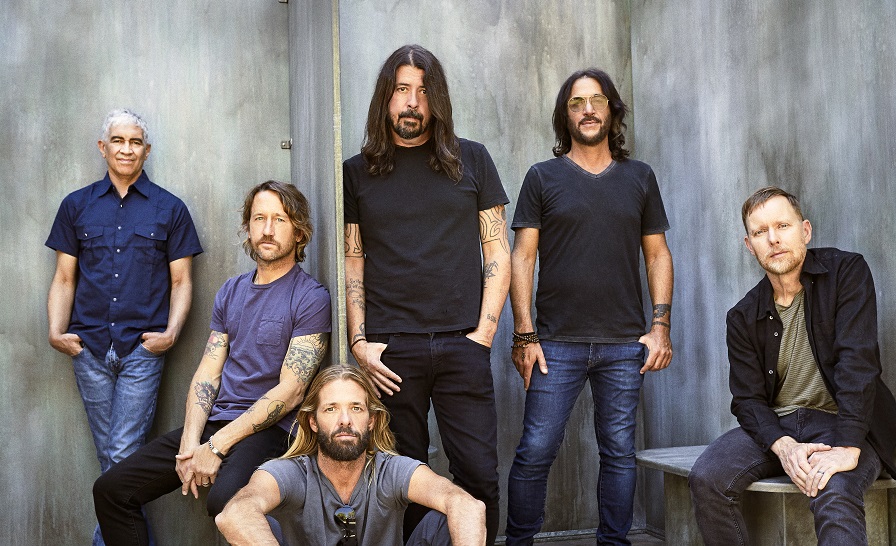
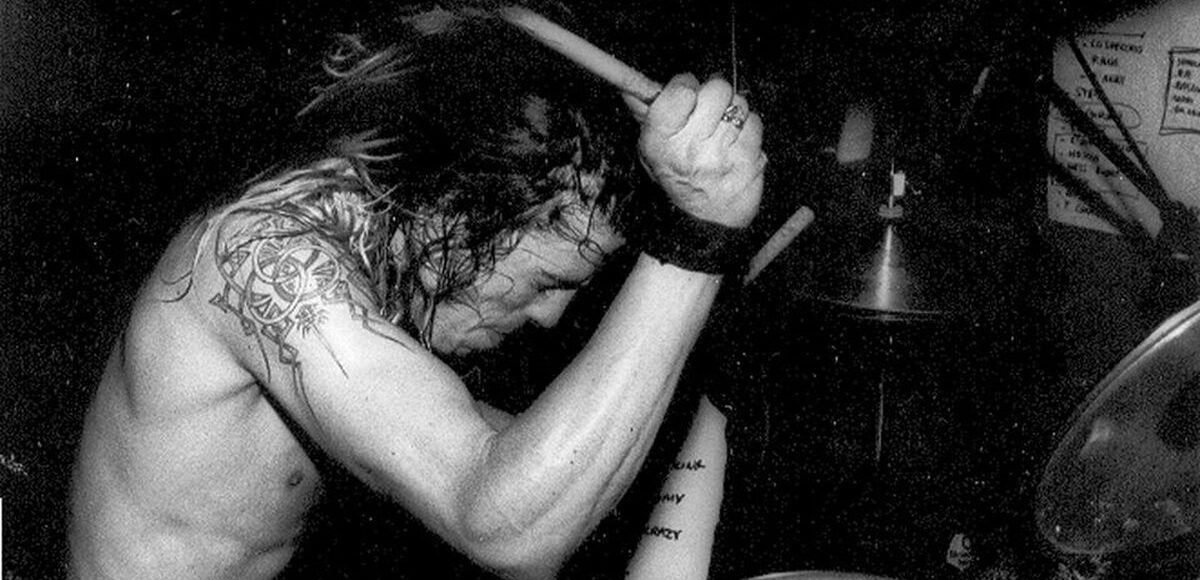
Grohl wrote it for The Colour and the Shape, released on 20 May 1997, produced by Gil Norton at Grandmaster Recorders in Hollywood. He played the drums himself. William Goldsmith had started the album and left. Grohl re-cut the kit, and Everlong is one of the tracks where that decision is the whole body of the song: a drummer writing a love letter and then refusing to let anyone else keep time on it. The lyric belongs to a relationship that felt, to him, like harmony in the literal sense, two voices finding the same note without negotiation. Michel Gondry’s video, a dream of oversized hands and a violent fairy tale, gave the tenderness a nightmare to live in, which suited a band still learning how to be pop without becoming small.
Live, the song is the one crowds come to finish. Grohl can drop his guitar and let the room carry the chorus, and the room always can. Weddings have claimed it. So have funerals. A track written in the mess of a divorce-era life, about a new connection, ended up as a public vow. The band did not design that. They designed a riff that does not sit down, and people brought their own ceremonies.
That song’s about a girl that I’d fallen in love with, and being connected to someone so much that not only do you love them physically and spiritually, but when you sing along with them you harmonise perfectly.
(Dave Grohl, Kerrang, 2006)
The Colour and the Shape is an album of breakups and repairs. Everlong is the repair that does not sound repaired. It sounds urgent, as if the feeling might leave if the tempo drops. Norton’s production keeps the guitars bright and the vocal a little ragged, so the prettiness never becomes a ballad’s trap. You can slow it down, and Grohl sometimes does, with a single acoustic guitar, and the song survives because the melody was never depending on the chase. The chase was just honesty about how fast the feeling arrived.
What remains is a chorus people trust with their own names. Few rock songs of the late nineties managed to be both a sprint and a promise without choosing one. This one refuses the choice. It still sounds like someone who has waited, and who is done waiting, and who would like the night to agree. The agreement, on record, lasts about four minutes. In the room, it lasts as long as the crowd can hold the note.