A Bach line taught to dance
A twelve-string guitar states four bars that glitter and then hold, compressed until the note seems to ring in the air of the radio itself, and only then do the voices come in.
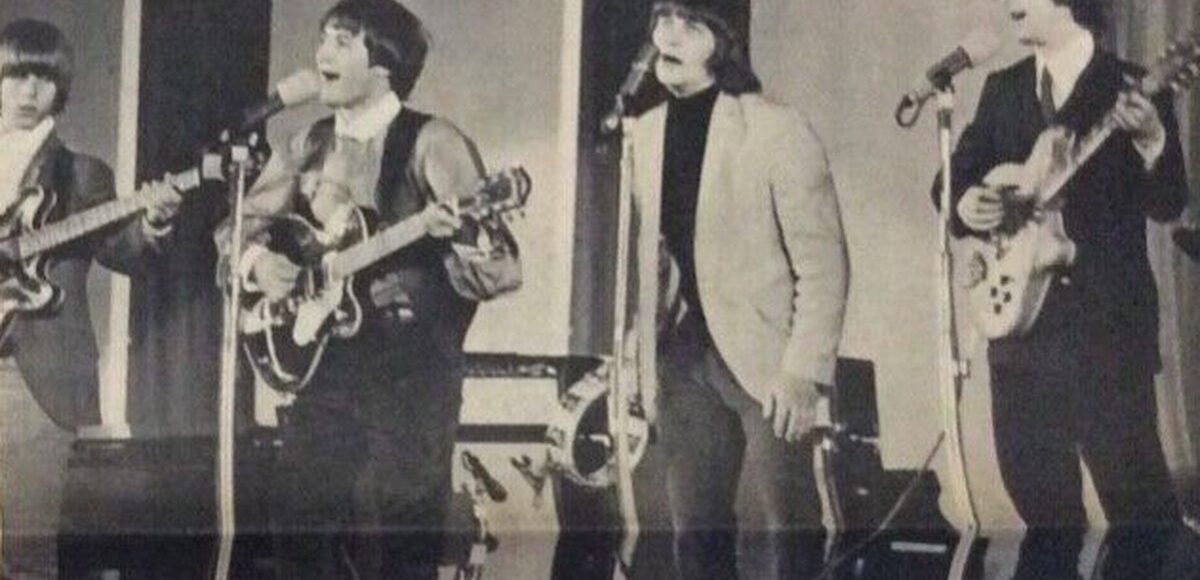
The Byrds recorded Mr. Tambourine Man on 20 January 1965 at Columbia Studios in Hollywood, Terry Melcher producing. Of the band, only Roger McGuinn played. The rest of the track is the Wrecking Crew, Hal Blaine’s drums among them, because the group was not yet tight enough for the session. McGuinn, David Crosby and Gene Clark sang. The song was Bob Dylan’s, heard in a long, unsteady demo in two-four time. Crosby said that beat would never live on the radio. McGuinn, who had been watching the Beatles, moved it into four-four and built the introduction from a few notes of Bach’s Jesu, Joy of Man’s Desiring, which he had been playing on twelve-string. Engineer Ray Gerhardt’s compression gave the Rickenbacker a sustain it did not have on its own. The single, out in April 1965, went to No. 1 on both sides of the Atlantic.
Dylan came to a rehearsal, heard the dance version, and needed a moment to recognise his own song. He liked it. The lyric, a long address to a musician who might be a muse, was cut down to the chorus and one verse, which purists resented and radio required. On the album that followed in June, the band played more of its own instruments. The single remains the accident that invented a style: folk words, a Beatles beat, a Bach fragment, a session band that knew how to make girl-group records. McGuinn’s banjo technique, three fingers on twelve strings, is the jingle that named the decade’s new hybrid.
I realized when I heard the Beatles that they were onto something, that anything with a four-four beat was going to be a hit. So I rearranged Mr. Tambourine Man.
(Roger McGuinn, Guitar Player)
Live, the twelve-string is the whole show. Crowds wait for those four bars the way they wait for a curtain. The song has been returned to Dylan’s longer form by other singers, and it has been played as a waltz again, and none of those versions cancel the Columbia single. It is a piece of carpentry. Melcher wanted a hit. McGuinn wanted the guitar to sound like bells and like Bach. Both got what they asked for, and folk-rock, as a word people argued about, began on the back of a Rickenbacker.
What remains is the invitation. Dylan’s tambourine man is still mysterious, a figure who might be a dealer, a saviour, or just a player in a room. The Byrds do not solve him. They make him move. The compression on the guitar is a small piece of studio luck that became a signature, heard in a hundred bands who bought the same instrument and could not buy Gerhardt. Under the shine, a Dylan sentence survives, cut to size, still asking to be taken for a trip. The trip, in this recording, lasts two and a half minutes, and that was enough.