
Visconti glam that stuck the riff
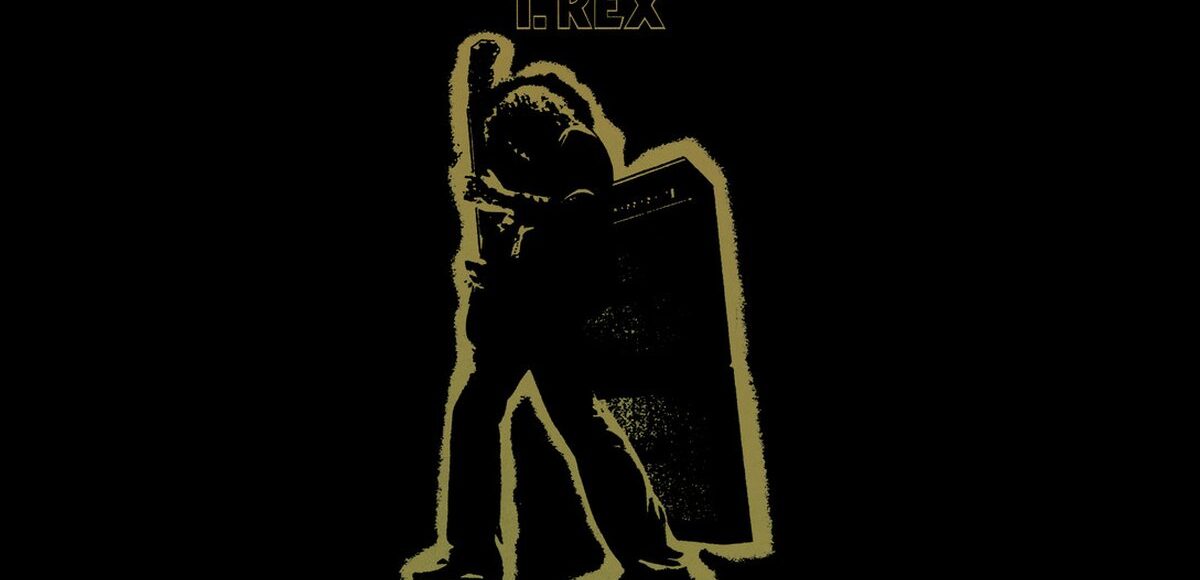
In September 1971, Fly Records released Electric Warrior, the T. Rex album Tony Visconti produced after Marc Bolan shortened the band name and plugged the folk duo into a full rock band. Mickey Finn stayed on percussion. Steve Currie joined on bass, Bill Legend on drums. The cover silhouette, Bolan against a stack of amps, already said what the title promised: the acoustic Tyrannosaurus Rex years were over.
Sessions ran mainly at Trident and Advision in London, with Visconti chasing a dry, punchy mix. Mambo Sun opens on a clipped riff and Bolan’s curled vocal. Cosmic Dancer slows the pulse without losing the glam swagger. Jeepster rides a Chuck Berry-shaped guitar line into a chorus built for teenage radio. Get It On, issued in the US as Bang a Gong (Get It On), locks a simple riff, handclaps and a vocal that refuses to sit still. Across the record, Bolan’s guitar stays bright and slightly dirty; the drums hit short; the strings Visconti adds never bury the groove.
The package sold the new T. Rex as a pop machine, not a hippie leftover. Bolan’s curls, the glitter, the short songs: everything pointed at the charts. In the UK the album topped the album chart and stayed there for weeks. Get It On went to No. 1 as a single. In America the renamed single cracked the Top 10 and gave Bolan a foothold he never quite matched again with later albums.
Bolan had already scored with Ride a White Swan and the shortened name in 1970. Electric Warrior locked the formula: short runtimes, sexual jokes half-disguised as cosmic talk, and Visconti’s insistence that the guitars cut through AM radio. Flo and Eddie later joined live harmony work around the era; on the album itself the vocal centre remains Bolan, slightly behind the beat, selling every curl of a phrase.
I just wanted to make rock and roll. That’s all Electric Warrior is.
(Marc Bolan on the album’s intent)
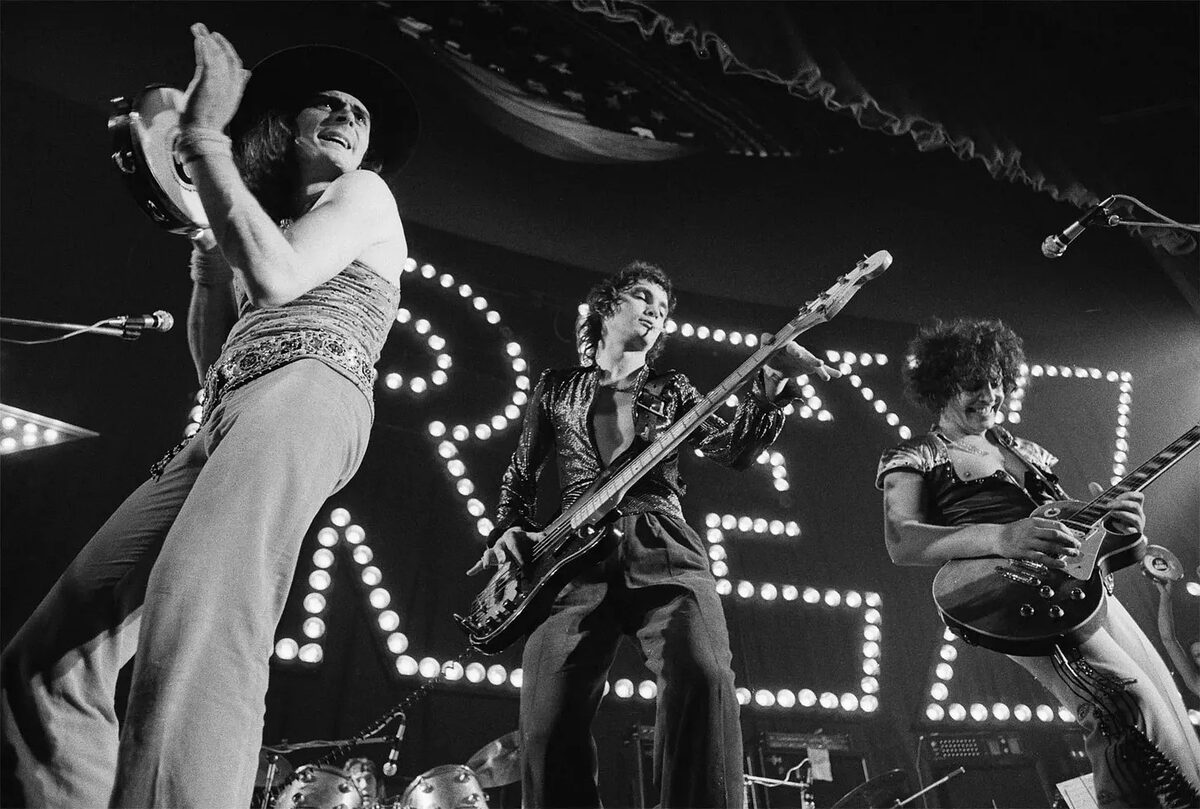
Critics heard the shift immediately: folk mysticism traded for boogie and hooks. Later writers would call the record a glam blueprint, but in 1971 it simply sounded like a band that had found its volume and its jokes at the same time. Visconti’s production kept the room audible. Nothing here dissolves into psychedelic fog.
What holds is the economy. Ten tracks, few wasted bars, a singer who treats every syllable like a stage move. Electric Warrior is the document of Bolan deciding that teen pop and rock swagger could share the same reel. Bowie’s Ziggy would arrive months later and rewrite the costume book; this album already had the riffs and the chart proof. Play Get It On and Jeepster back to back and you hear why England surrendered first.
Later T. Rex albums chased the same glitter with diminishing chart returns. This one still works because the songs refuse to outstay the riff. Glam fashion photos from the period look dated; the backbeat on Lean Woman Blues and the handclaps on Get It On do not.