
March 1973 glam single: Tony Visconti credit, UK Top 3, riff first
20th Century Boy arrived on 2 March 1973 as a stand-alone T. Rex single on the T. Rex / EMI imprint (catalogue MARC 4), with Free Angel on the B-side. It reached number 3 on the UK Singles Chart, held that peak for three weeks, and spent nine weeks on the chart; it also topped the Irish chart. Marc Bolan wrote the song and locks the first guitar growl before anyone else can claim the space. Tony Visconti’s name sits on the producer credit, though the basic track was cut on 3 December 1972 at Toshiba Recording Studios in Tokyo during a Far East tour, with Bolan and road manager Mick O’Halloran running the session while Visconti was absent. Backing vocals, handclaps, acoustic guitar, and saxophones were added after the band returned to England. The single sat between the era of The Slider and the album Tanx (16 March 1973) but was kept off the original UK LP, later returning as a bonus on reissues.
Handclaps, fuzzed guitars, and Bolan’s warble (part whisper, part feline shout) sit in a mix that feels raw and huge at once. There is no soft chorus in the usual sense; the repeated title line hits like a headline you cannot miss. By 1973 Bolan had already led the glam procession: folk myth, Elvis pose, and electric pop in the same coat, after hits such as Telegram Sam and Metal Guru. Lines like “Friends say he’s fine / Friends say he’s good / Everybody says he’s just like Robin Hood” read as nonsense poetry with glitter on top. They work because Bolan’s voice sells every word as if it were gospel. The production leaves space for the riff to swagger without stacking studio tricks.
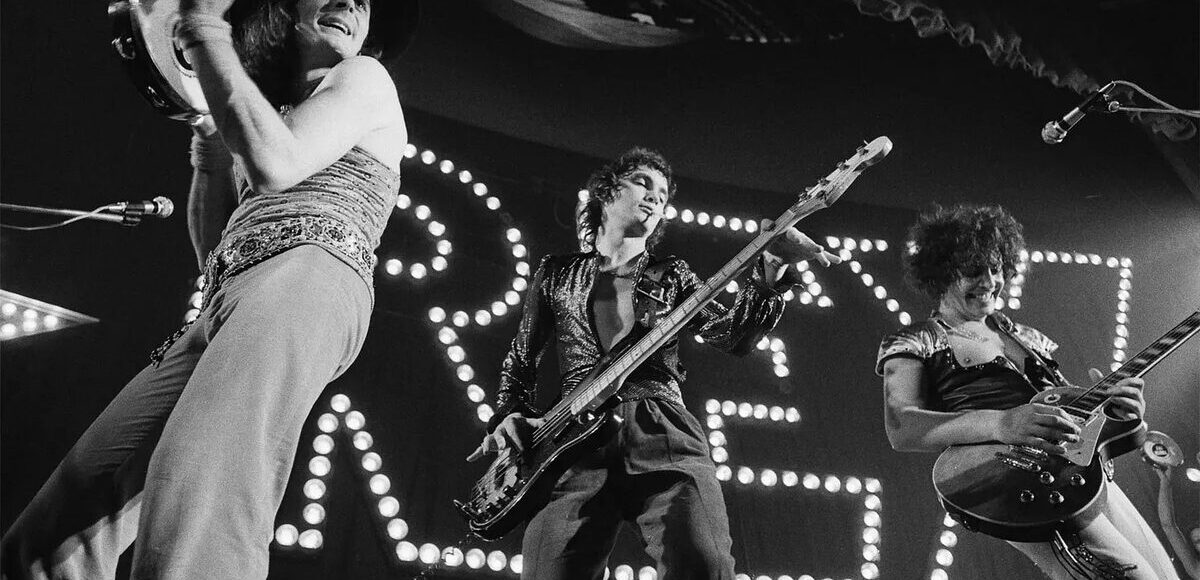
Chris Welch, writing in Melody Maker that year, heard guitars that tremble and Marc howling through another of his rhythmic entertainments. Typical T. Rex players around that cycle included Steve Currie on bass, Bill Legend on drums, and Mickey Finn on percussion, with Bolan’s guitar and vocal driving the front. Critics were already arguing that the glam formula was thinning; the single answered with volume and a hook rather than a soft confession. As a standalone 45 it did the chart work on its own and became a set-piece for later tours and television clips.
The song grew beyond its chart week. Later covers by acts such as Def Leppard and Siouxsie and the Banshees kept the riff in circulation; advertisements and film cues rediscovered it for new audiences. Bolan’s brief was style with a body: rock ’n’ roll that could still be funny, sensual, and loud while peers chased longer seriousness. Remasters still put the opening guitar growl ahead of the lyric.
Guitars tremble, Marc howls, and it’s ‘gang awa’ with another in his series of rhythmic entertainments.
(Chris Welch, Melody Maker, 1973)
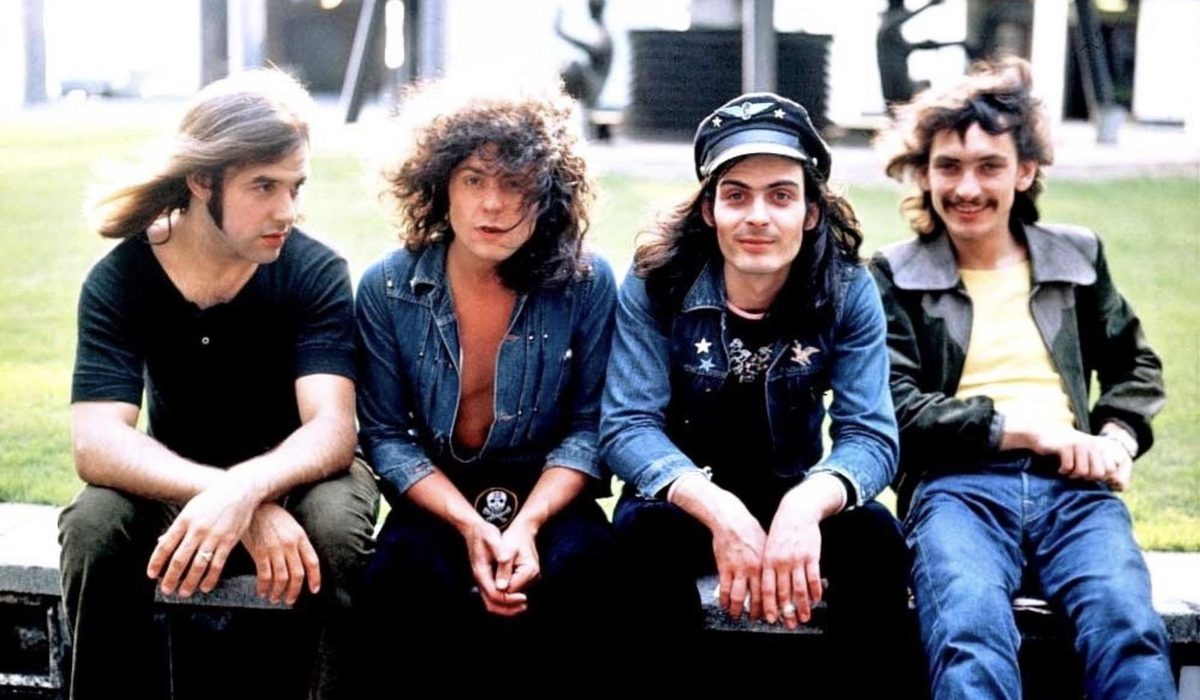
Put the single on today and the opening still walks onto the stage before the vocal does. That is the point of a 1973 chart smash built on a riff: announce the band, repeat the title, leave the soft middle eight to someone else. Between Tokyo basics and English overdubs, the record kept Visconti’s credited sheen while Bolan’s guitar stayed first in the room.
Press play for Bolan’s first guitar growl, stay for the title hook and the big-raw balance, and notice how little explanation a UK number 3 needs when the riff already states the case.