
Acid jazz, Buffalo Man, Travelling Without Moving, moving floors
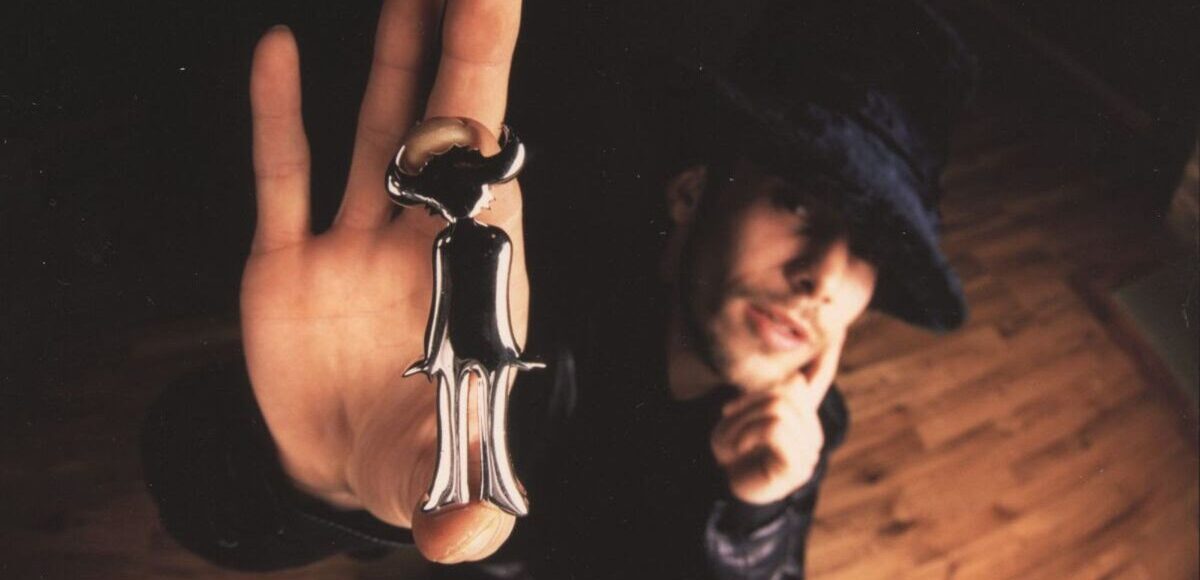
In 1992 London, while house and rave chased four-on-the-floor volume, Jay Kay and a shifting cast of players released Emergency on Planet Earth on Acid Jazz Records. The sound was live drums, rubber bass, Fender Rhodes, and falsetto that sat on top of walking lines borrowed from Stevie Wonder and Roy Ayers. The Buffalo Man silhouette on the sleeve became as recognizable as any hook. Kay had built the name from jam sessions and an Iroquois reference; the band was never a solo with extras.
Kay grew up in London and northwest England with soul, funk, and Brazilian records in the house. Stevie Wonder’s harmonic sense, Roy Ayers’s vibraphone cool, and Herbie Hancock’s Head Hunters era all left marks. He chased acid-jazz clubs where DJs mixed jazz-funk with rare groove, then wrote songs that could survive both a jazz café and a Friday club. Early lineups included Toby Smith on keys, Stuart Zender on bass, Derrick McKenzie on drums, and Wallis Buchanan on didgeridoo when arrangements needed an earthy drone under disco brightness.
The Return of the Space Cowboy (1994) widened the palette without abandoning the pocket. “Space Cowboy” and “Half the Man” kept the acid-jazz pulse while lyrics mixed eco anxiety and nightlife swagger. Kay’s public voice on climate and consumerism sat beside party tracks that still grooved. The band mattered: Zender’s bass lines spoke in complete sentences, Smith’s Rhodes chattered in the gaps, McKenzie locked time so Kay could dance on stage without losing the song.
Travelling Without Moving (1996) was the global break. “Virtual Insanity” arrived with Jonathon Glazer’s video: Kay on a floor that slid while furniture stayed still, a gag MTV looped for months. The single carried funk chords, a clipped lead vocal, and a chorus built for clubs and daytime radio. “Cosmic Girl” and “Alright” kept the album touring stadiums and festivals. Sales cleared multi-platinum territory in the UK and much of Europe; Brit Awards and a Grammy followed the groove rather than inventing a new genre.
Synkronized (1999) and A Funk Odyssey (2001) proved the project could absorb lineup changes without losing rhythm-section discipline. Zender’s departure hurt, but “Canned Heat” and “Little L” kept Kay’s falsetto and McKenzie’s drums in heavy rotation. Later records such as Dynamite (2005) and Rock Dust Light Star (2010) stayed loyal to live funk even when dance charts favored software. Kay’s cars, hats, and tabloid headlines sometimes overshadowed the craft; underneath, the records still tracked musicians in a room.
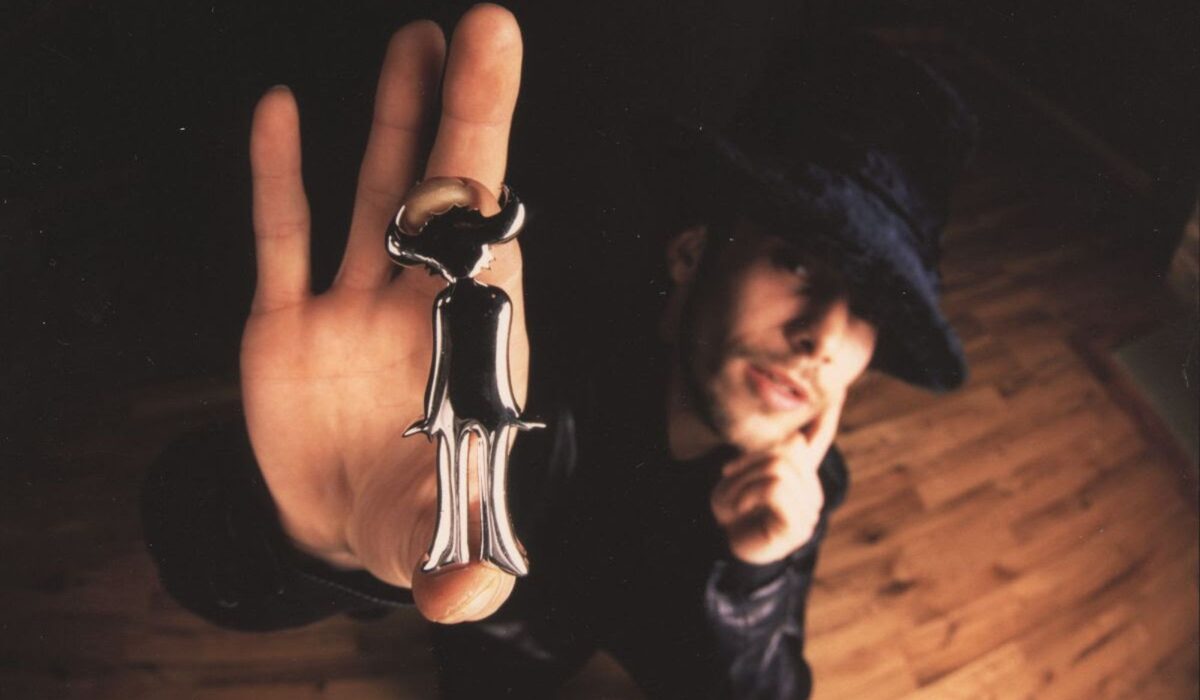
Sonically, listen for bass that walks rather than slaps for show, keys that answer the vocal, and arrangements that leave air for the hook. Kay’s falsetto is the brand’s weather vane: bright on “Alright,” more clipped on “Virtual Insanity.” Horns and synth pads fill space without clutter. The mix often favors warmth and punch over brittle digital sheen, even on later singles aimed at radio.
Entry points are clear. Emergency on Planet Earth for the acid-jazz manifesto. Travelling Without Moving for the chart peak and the video everyone remembers. The Return of the Space Cowboy if you want the eco-nightlife blend before the floor gag. Add “Cosmic Girl,” “Canned Heat,” and “Virtual Insanity” to one playlist and you hear three faces of the same London funk project.
Beside Brand New Heavies or Incognito, Jamiroquai shared the acid-jazz lane but pushed harder toward pop hooks and stadium scale. Beside Daft Punk or French house, they kept live players at the center rather than sampling disco as architecture alone. What distinguishes Kay’s band is the marriage of festival-sized choruses with bass lines that still feel like Motown homework done in a warehouse.
Live, festival slots proved the catalogue travels. “Virtual Insanity” still resets a field when the floor visual hits the screens; then brass or synth stabs remind the crowd this was always a band, not a costume. Kay treats the stage as a dancefloor with a roof. The Buffalo Man was branding. The records were homework in groove.
Jamiroquai never asked the dancefloor to sit down. They built songs that keep feet moving even when the furniture in the video stays put. That is why the catalogue still repays a full listen: not as nostalgia for 1996, but as a working method for funk that refuses to sit still.