
Birmingham 1978: multiracial reggae, DEP 8 cards, and chart-ready covers
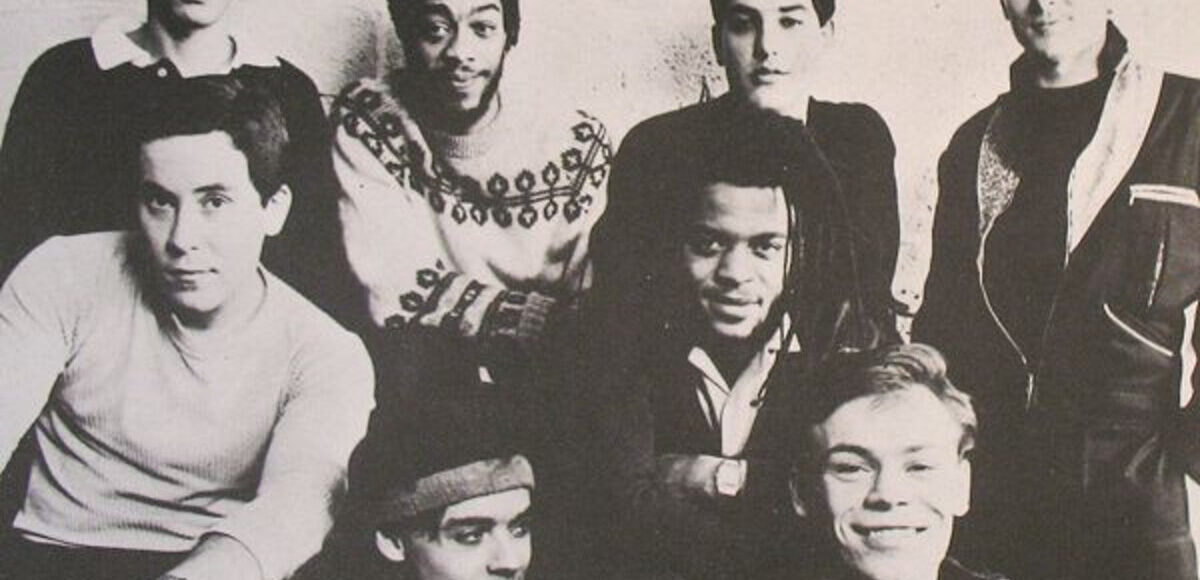
UB40 took their name from the UK unemployment benefit form. The band formed in Birmingham in 1978 around brothers Ali and Robin Campbell, with Astro on toasting and percussion, Brian Travers on saxophone, Jimmy Brown on drums, Earl Falconer on bass, Mickey Virtue on keys, and Norman Hassan on percussion. The lineup was multiracial from day one. That mix mattered on British streets and on the records: reggae rhythms with Midlands grit and pop hooks that radio could play.
Signing Off (1980) arrived on Graduate Records with a stark cover and a political spine. “Food for Thought” and “King” announced a band that could write originals with weight. Present Arms (1981) kept the pressure. Then Labour of Love (1983) flipped the strategy: a covers album of reggae and R&B standards, cut with the same horn and rhythm section. “Red Red Wine” (a Neil Diamond song filtered through Tony Tribe) became a UK and later US smash. The formula was clear: keep the riddim authentic, polish the chorus, and let Ali’s vocal sit warm on top.
Bagatelle (1985), Rat in the Kitchen (1986), and UB40 (1988) mixed writing credits with further covers. “I Got You Babe” with Chrissie Hynde widened the pop frame. Promises and Lies (1993) delivered “Can’t Help Falling in Love,” a Elvis cover that topped charts worldwide and tied the band to a Hollywood soundtrack moment. Through it all, DEP International, their own label setup, kept business control closer to home than a standard major-only deal.
Live, UB40 ran as a large ensemble: horns, percussion, keys, and toasting trading space with Ali’s lead. The sound was less dub laboratory than dancehall-ready reggae-pop built for festivals and TV. That scale helped them fill rooms from Birmingham to the Caribbean circuit and US radio. Later years brought lineup splits, legal fights over the name, and parallel touring versions, but the classic catalogue stays tied to the Campbell-era records.
What travellers hear first is the groove: Falconer’s bass, Brown’s pocket, Travers’ sax lines, and Astro’s toast cutting through. The covers did not erase the originals; they bankrolled the brand while Signing Off and Present Arms kept the early politics on the shelf for anyone who dug past the hits.
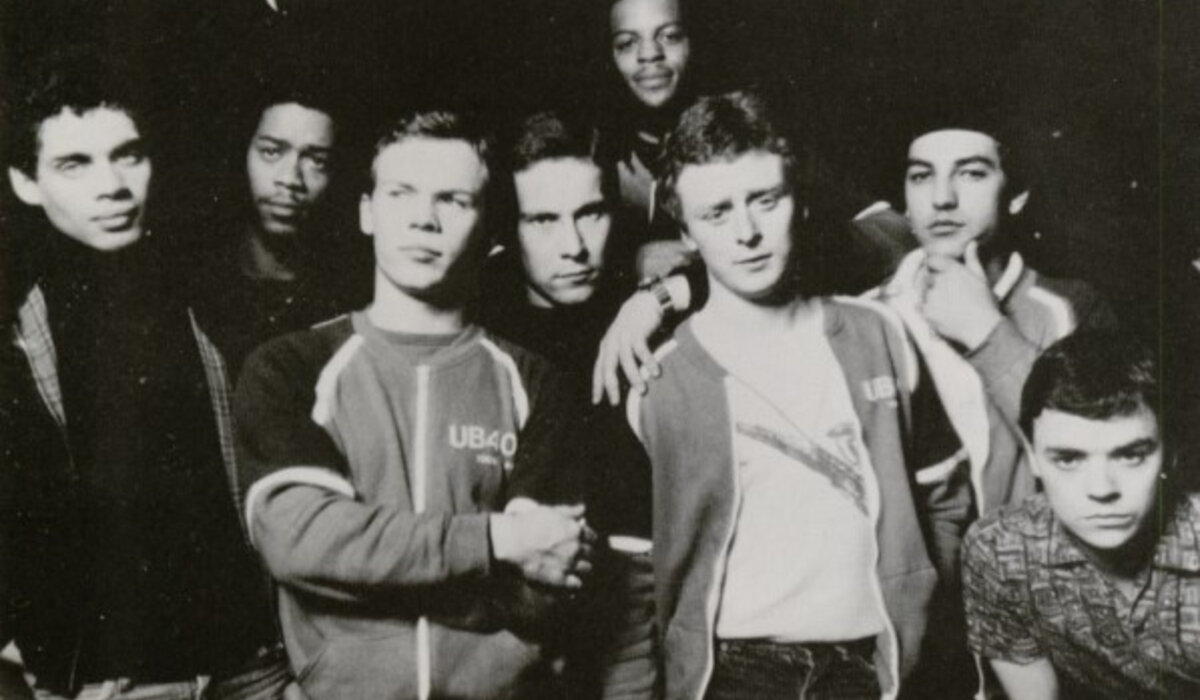
British reggae of the late 70s and early 80s had several lanes: roots seriousness, lovers rock softness, and 2 Tone ska energy. UB40 occupied a commercial centre that still carried Birmingham unemployment and race politics in the early LPs. Labour of Love proved that a UK band could sell Jamaican songbook material back to chart audiences without stripping the riddim.
Radio still leans on “Red Red Wine” and “Can’t Help Falling in Love.” DJs still drop “Food for Thought” when they want the sharper debut face. Horn players still study Travers’ simple, memorable lines. The name remains a shorthand for British reggae that crossed from dole-queue identity into worldwide singles.
Start with Signing Off for the debut bite. Add Labour of Love for the cover engine. Promises and Lies shows the 90s peak of chart reach. The rest of the discography fills in a band that treated reggae as both manifesto and craft, and that kept a large live machine running for decades.