
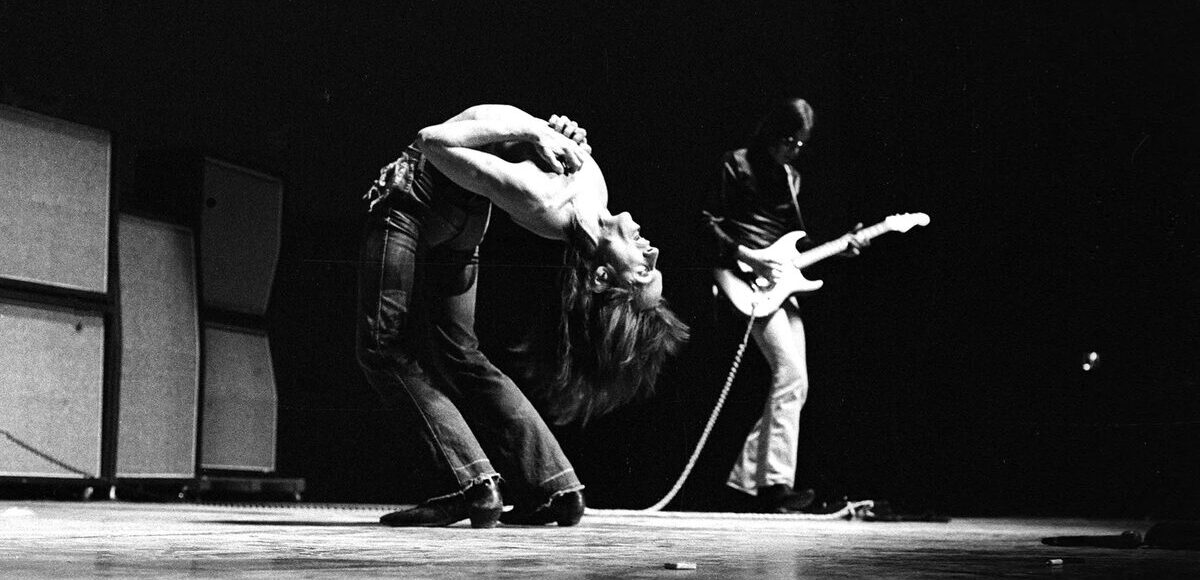
Hard repeating groove that opens Fun House
Down On The Street opens Fun House in July 1970 with a hard, repeating groove. Ron Asheton locks a guitar loop while Iggy Pop delivers lines as if they have already been chewed and spat back. The rhythm section hits monotonous and heavy. Nothing is polished for radio. The take grinds forward without looking for a tidy chorus landing.
Producer Don Gallucci wanted The Stooges captured as they played live in the room. Few overdubs, microphones set to catch air and feedback, no sweetening. Scott Asheton drives the kit like a chain being dragged. Dave Alexander’s bass fills the gaps without showing off. The mix is raw enough that you hear body and room behind each note.
Iggy’s vocal sits inside the beat, not on top of it. He talks as much as he sings. The band does not escalate for drama; they hold a tempo that builds tension through repetition. This is a track built to be played loud and close to the floor, not floated on stacked harmonies.
Opener ‘Down on the Street’, not content with one guitar playing the frantic solo, has two simultaneously surging up against each other, the adrenalin rush is unbeatable.
(Jon Smith, Drowned in Sound, 2010)
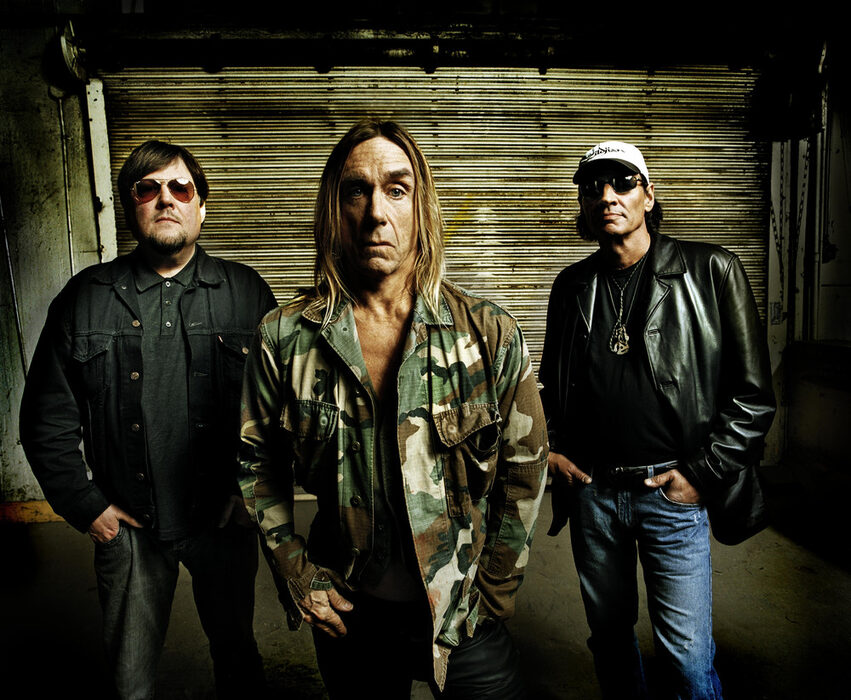
1970 was not an era of glossy overdubs for this band. Force and friction do the work. The whole cut sounds like a machine assembled in a garage: each part keeps its place, Ron Asheton leans just enough to keep the loop alive, Iggy stays in the pocket. No long solos for display.
More than fifty years later the track still hits with the same weight. Its tempo walks like a late-night stride, stuck to the ground. Post-punk and garage bands keep stealing the idea: repetition as power, not as filler. Down On The Street does not explain itself. It performs, then leaves a dent.