




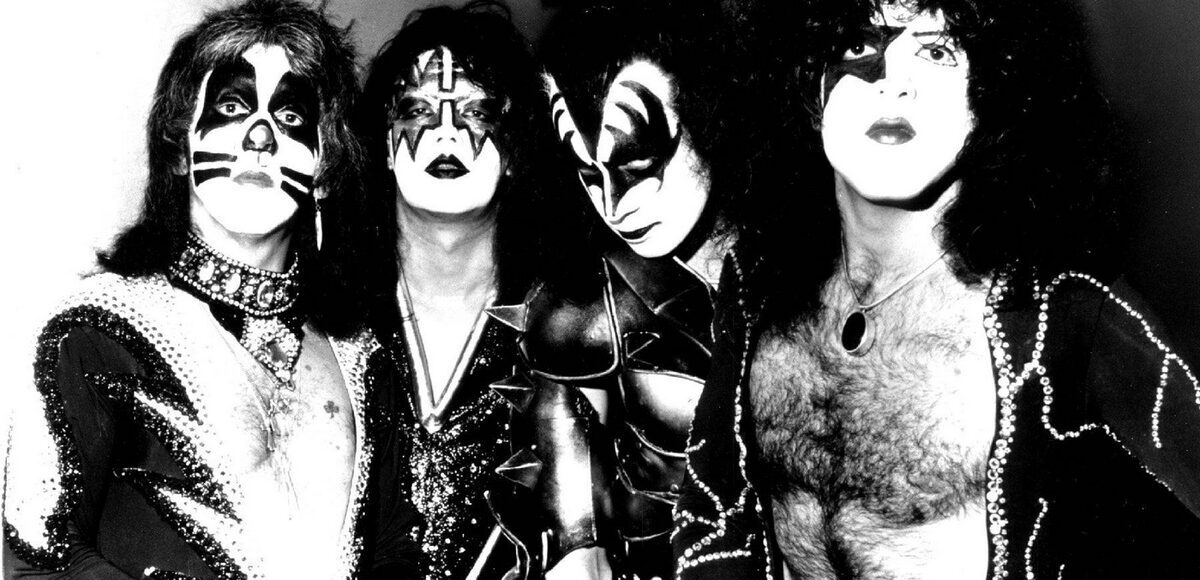
Dynasty 1979: Desmond Child, Vini Poncia, disco kick in makeup
I Was Made For Lovin’ You hit radio in May 1979 when Kiss, known for arena hard rock and theatrical excess, released the lead single from Dynasty on Casablanca. Paul Stanley co-wrote it with pop writer Desmond Child and producer Vini Poncia. Sessions ran at Electric Lady and the Record Plant in New York. Disco still owned parts of the charts; Kiss felt the squeeze after years of stadium scaling. Stanley pushed a melodic chorus over a steady dance kick while the guitars kept a hard edge. Some fans called it betrayal. Billboard treated it as a sharp turn that widened the band’s reach.
The move was craft and survival, not costume change alone. Stanley wanted a song that worked on dance floors without dumping the brand’s volume. He and Child sketched verses quickly at SIR Studios in New York after Stanley saw Child’s group Desmond Child & Rouge; Poncia helped shape the chorus. Session drummer Anton Fig played on most of Dynasty, including this track, while Peter Criss’s studio role on the album was limited. Ace Frehley’s guitar still cuts; Gene Simmons stayed in the band picture even as he later voiced open dislike for the disco turn. A longer 12-inch disco remix followed for clubs. On stage the band still used fire; on record this song showed they could play a dance rhythm without sounding anonymous.
The single reached number 11 on the Billboard Hot 100, went gold in the US on 16 August 1979, and topped charts in Canada, the Netherlands and New Zealand, peaking at number 2 in Australia, Switzerland and West Germany. In the UK it stalled at number 50. Wedding playlists and classic-rock radio kept it alive long after the Dynasty tour. Fans argued. The charts settled the argument in 1979. It also opened Stanley’s long writing partnership with Child, who would later help write hits for Bon Jovi, Aerosmith and others.
Billboard heard a catchier, more melodic Kiss with disco influence under heavy guitars. The single travelled on that mix of melody, disco rhythm and heavy guitars. The chorus is the way in. Under the makeup and the riffs, the kick drum states the dance rhythm in the open.
Kiss delivers a catchy song that is more melodic than previous efforts, incorporating some disco influence and heavy guitars.
(Billboard, 1979)
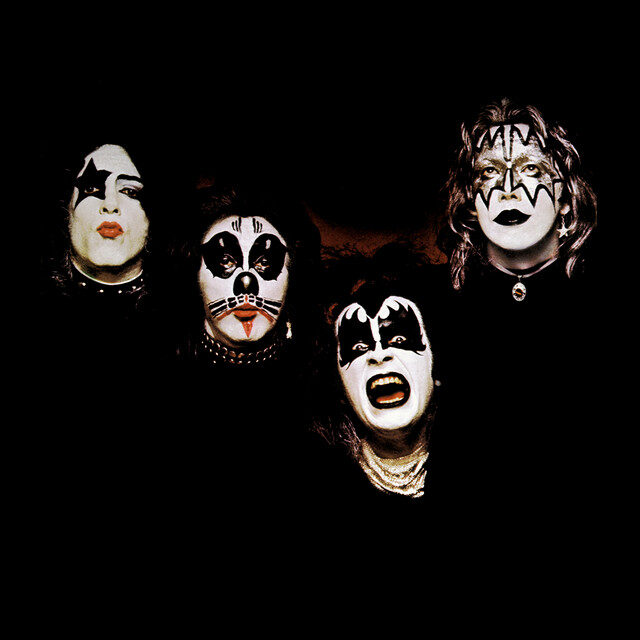
The outcome is concrete. Late-70s hard-rock brands could absorb disco rhythm writing and still tour as Kiss. The Dynasty era divided the fan base. The gold single and the overseas number ones stood apart from that argument. Remasters and live regulars keep the Casablanca cut in circulation as the band’s clearest dance-floor document.
The dance kick sits under the riff. Stanley’s chorus carries the record, and the argument between the hard-rock name and 1979 radio is settled in four minutes of Casablanca production.

Jacques | 11 October 2026
|
Simple song, big feeling. I Was Made For Lovin You still does that. Also the comments section on old forums was wild about this.
Rosa | 12 October 2026
|
Opened the article, heard the riff in my head before the embed loaded. Classic. Sharing this in the group chat. Expect chaos.
Sam W. | 13 October 2026
|
I argued with my brother about I Was Made For Lovin You for years. This is my exhibit A.
Hélène | 14 October 2026
|
Not overrated. If anything people forgot how tight I Was Made For Lovin You is.
Aria | 14 October 2026
|
Bass line on I Was Made For Lovin You is the whole argument. Rest is decoration. Good piece.
Paulo | 14 October 2026
|
Read this, then put I Was Made For Lovin You on loud. That was the move. I told my coworker and they shrugged. Their loss.
Kofi | 15 October 2026
|
I came for Kiss, stayed for how clean this write-up is. I Was Made For Lovin You hits different after reading. Might be recency bias but I do not care today. Good piece.
Noah | 16 October 2026
|
My dad played Kiss in the car. I Was Made For Lovin You is basically my childhood commute. Sharing this in the group chat. Expect chaos.