




Abbey Road, Spector, a song the Beatles set aside
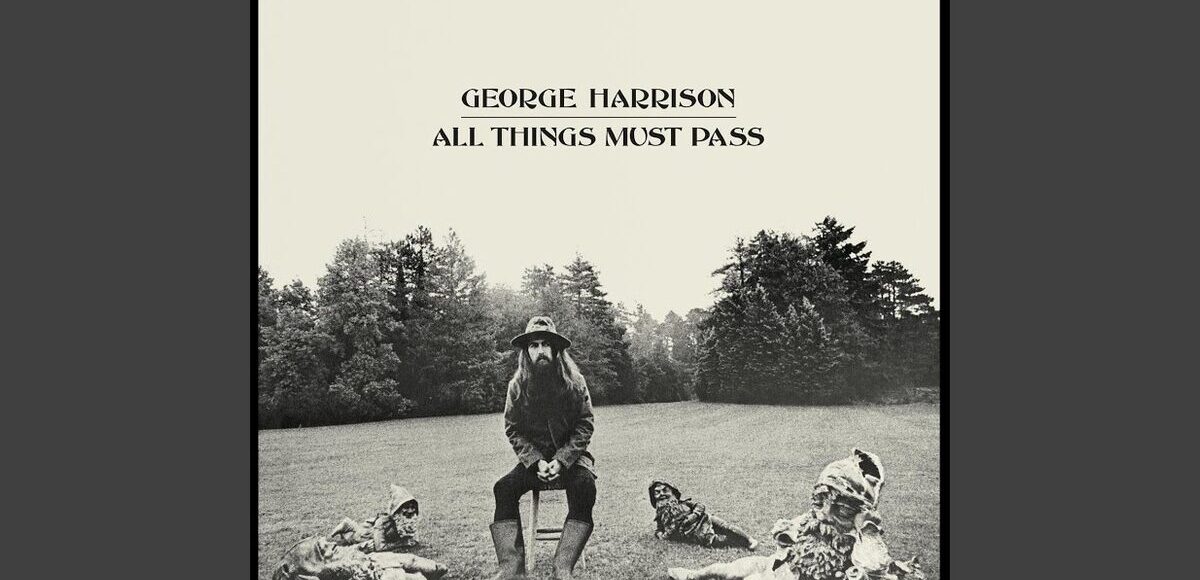
In November 1970 George Harrison put Isn’t It A Pity near the centre of All Things Must Pass. It runs about seven minutes and describes how people bruise each other without noticing. He had written it years earlier, during the Beatles years, and watched it get sidelined. After the split he went into Abbey Road and Trident with Phil Spector and a room of friends: Ringo Starr, Eric Clapton, Klaus Voormann, Billy Preston, Bobby Whitlock and more of that loose Apple circle. Written in the Beatles years and then set aside, the song finally had space on the album that November. The same Abbey Road and Trident sessions with Spector brought those players in.
Spector’s Wall of Sound stays quiet at first, then builds. Acoustic guitars hold a slow pulse. Slide guitar lines move without hurry. Choir and brass come in later, not as a sudden fanfare. Version 1 on the album stretches past seven minutes. Version 2 closes the set with a different arrangement. Harrison finally gives the song the room the Beatles never did. The slow build is there again in the long Version 1. Version 2 still closes the record, with another arrangement of the same song. The Beatles had not given it that length.
The lyric is plain, close to speech, and the arrangement keeps adding layers so the song does not thin out. Harrison had waited through the Beatles years. On this album he spends that wait on a slow song, not on a sharp reply to the band.
He had waited for the room, and this is the take he used. Covers and live readings kept returning to that slow climb across later decades.
Isn’t it a pity, isn’t it a shame, how we break each other’s hearts, and cause each other pain.
(George Harrison, Isn’t It A Pity, 1970)
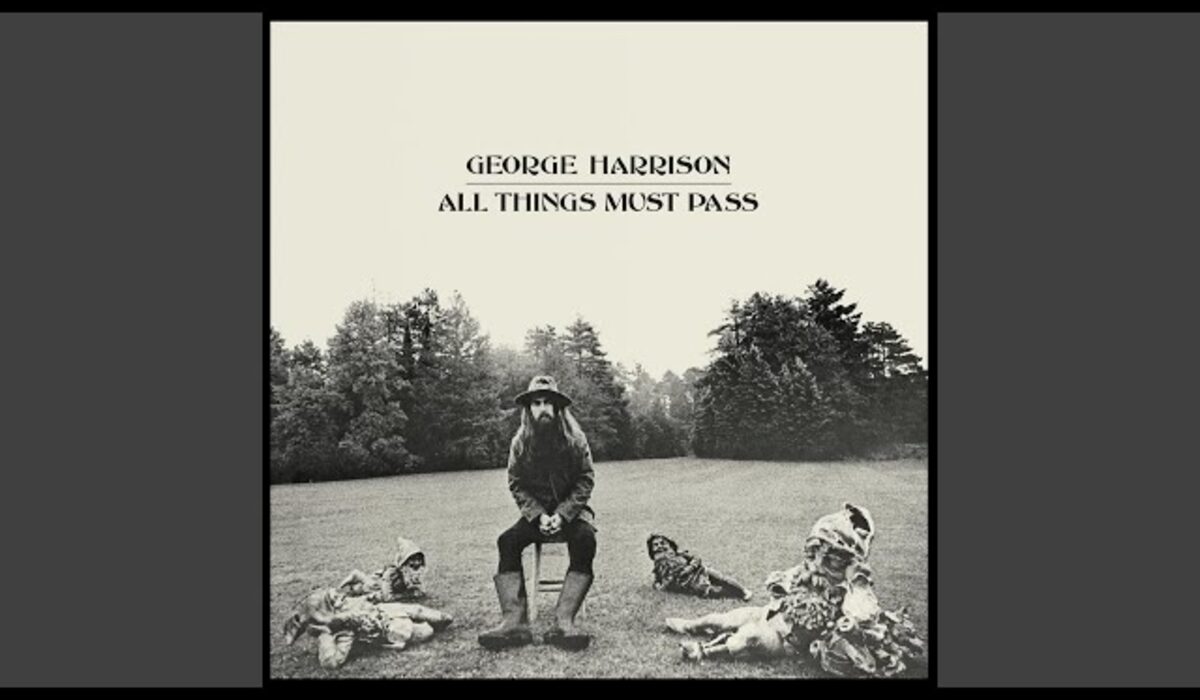
On All Things Must Pass the track shows Harrison’s solo debut was not a pile of leftovers. Songs he had been holding finally got recorded. Covers and live readings kept returning to the slow climb. Version 1 is the long Spector take, past seven minutes, and it was not cut down into a short hit single. The solo album gave the song the length the Beatles sessions had not.
Harrison states the shame in plain lines, then leaves the slide guitar and the choir to carry the rest of the seven minutes. The Beatles had set the song aside. It ended up on the solo album. Ringo Starr, Eric Clapton, Klaus Voormann, Billy Preston and Bobby Whitlock were in the Abbey Road and Trident sessions with Spector, along with others from the Apple circle. Version 1 runs past seven minutes. Version 2 closes All Things Must Pass with a different arrangement. Harrison had written the song in the Beatles years. It stayed unused until this solo album in November 1970. Later covers and live readings kept the slow tempo. Acoustic guitars hold the pulse and the slide lines take their time. Choir and brass enter after that. Spector produced. The lyric is about people hurting each other without quite seeing it.


Sara | 7 October 2026
|
simple song, big feeling. Isn’t It A Pity still does that. Also the comments section on old forums was wild about this.
Alex | 8 October 2026
|
The production notes here made me replay Isn’t It A Pity twice. Nice catch.
Hélène | 9 October 2026
|
People sleep on how weird Isn’t It A Pity actually is. This article gets it. Sharing this in the group chat. Expect chaos.
Emma | 9 October 2026
|
Anyone else think the live versions of Isn’t It A Pity are better? Studio still wins for me though.
Kofi | 10 October 2026
|
Simple song, big feeling. Isn’t It A Pity still does that. Sharing this in the group chat. Expect chaos. Ok bye.
Aria | 10 October 2026
|
I show Isn’t It A Pity to friends who say they hate that era. Works every time. Also the comments section on old forums was wild about this.
Inés | 11 October 2026
|
People sleep on how weird Isn’t It A Pity actually is. This article gets it. Might be recency bias but I do not care today.
Mike B. | 11 October 2026
|
My dad played George Harrison in the car. Isn’t It A Pity is basically my childhood commute.
Pierre | 12 October 2026
|
Ok but who else puts Isn’t It A Pity on at 1am and feels seen? I told my coworker and they shrugged. Their loss.
Diego | 13 October 2026
|
Still puts Isn’t It A Pity on whenever I need a reset. Never gets old.
François | 14 October 2026
|
Cool. Now I want the deep cuts around Isn’t It A Pity too.
Bea | 14 October 2026
|
anyone else think the live versions of Isn’t It A Pity are better? Studio still wins for me though. I told my coworker and they shrugged. Their loss.
Mateo | 15 October 2026
|
My dad played George Harrison in the car. Isn’t It A Pity is basically my childhood commute. Good piece.
Paulo | 16 October 2026
|
I show Isn’t It A Pity to friends who say they hate that era. Works every time. I told my coworker and they shrugged. Their loss.