




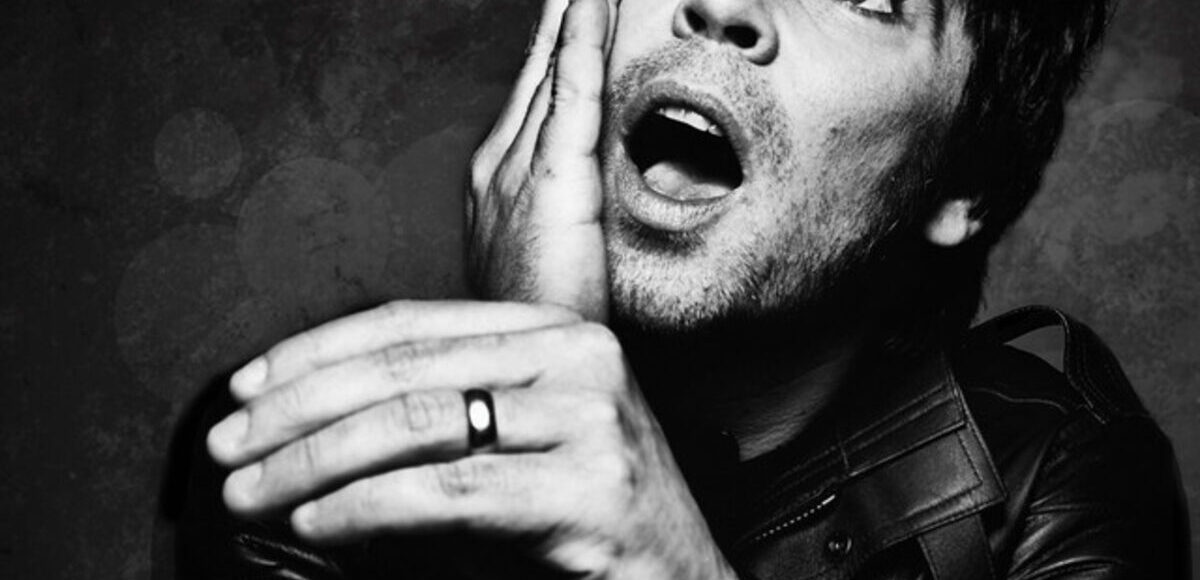
Matador track six, 2015: after Detroit, density drops on purpose
After the five-plus minutes of Detroit, Needle’s Eye pulls the album back to a leaner beat. The guitars have little echo, the rhythm section leaves space, and Coombes’s vocal sits forward without the big gospel-like vocal of the previous track. It is track six on Matador (26 January 2015, Hot Fruit / Caroline), the hinge between the record’s bigger middle section and the more intimate run of Seven Walls and Oscillate. You feel the sequence decide to breathe. That decision is half the pleasure of the song: not another anthem stacked on a peak, but a tighter groove that trusts the listener to stay. Hot Fruit and Caroline issued Matador on 26 January 2015; the Mercury Prize shortlist later that year treated every cut as part of one argument, not filler between radio edits.
The album was tracked at Coombes’s Wheatley home studio and at Courtyard Studios in Oxfordshire, with Ian Davenport helping when Coombes needed to leave the house. He has described bouncing between self-doubt and confidence in that process. Needle’s Eye sounds like a take that kept its edges: not over-polished, not thrown away. Loz Colbert’s drumming elsewhere on the album sets a bar for live feel; here the kit still reads as played, not programmed for radio. The title image is sharp, and the arrangement matches it: narrow focus, no wasted motion, a vocal that cuts without shouting.
Coombes took the Matador material on the road in February 2015 across UK club and hall dates. Fan uploads from later tours, including a 2016 set at the Masonic Lodge, show Needle’s Eye surviving outside the album cycle as a mid-set tension piece. Official streaming keeps the studio take under his artist channel. Critics who praised Matador‘s balance of soulful rock and restraint often linger on Detroit and 20/20. This cut is the quieter proof that the album works as a whole: after a peak, Coombes refuses to pile another flagship.
February 2015 UK club and hall dates carried the song early; later fan tapes, including a 2016 Masonic Lodge set, kept it as mid-set tension rather than a throwaway album track.
It was free and liberating doing it in our own studio, but sometimes I had to get out. I got cabin fever, which is why I spent some time at Courtyard.
(Gaz Coombes on recording Matador, Oxford Mail, 2015)
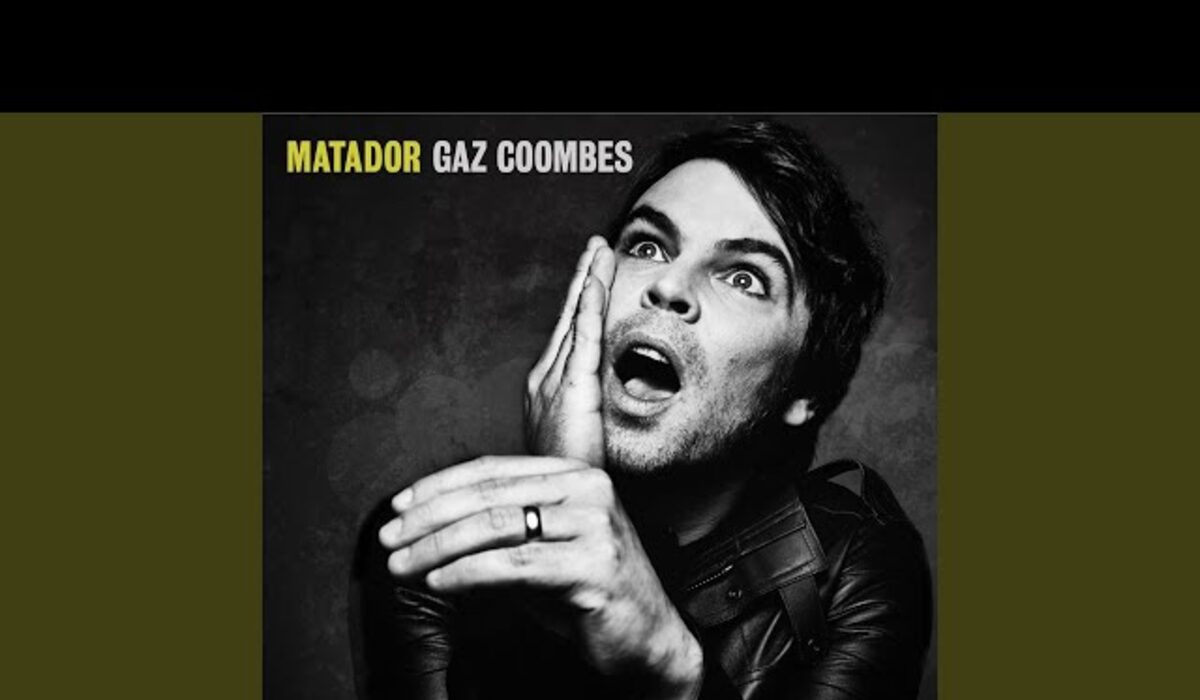
The 2015 Mercury Prize nomination later framed every album cut as part of a coherent statement, not filler between singles. Play Needle’s Eye after Detroit and the drop in density is the point. In the Coombes solo catalogue it marks 2015 as the year he trusted the tracks in the middle of the album as much as the lead singles. Put it on again when you want the lean side of Matador: guitars with little echo, the vocal forward, and no big gospel-like vocal required. Played on its own, the track is the hinge. The quieter songs after it have more room because this one drops the volume. Streaming keeps the studio take under his artist channel, so the hinge is easy to isolate from the Mercury Prize story.
Streaming keeps the studio take under his artist channel, so the hinge is easy to isolate from the Mercury Prize story.
Nina Bass | 13 October 2026
|
Read this, then put Needle’s Eye on loud. That was the move. Also the comments section on old forums was wild about this.
Olivier | 13 October 2026
|
Ok but who else puts Needle’s Eye on at 1am and feels seen? Coffee got cold while I finished the article. Acceptable.
Alex | 14 October 2026
|
Solid chronicle. I forgot how sharp Gaz Coombes sounded on this one.
Kofi | 15 October 2026
|
Anyone else think the live versions of Needle’s Eye are better? Studio still wins for me though. Also the comments section on old forums was wild about this.
Anne | 16 October 2026
|
anyone else think the live versions of Needle’s Eye are better? Studio still wins for me though. I told my coworker and they shrugged. Their loss.