
Coldcut’s Ofra Haza remix: Rakim called it the best he’d heard
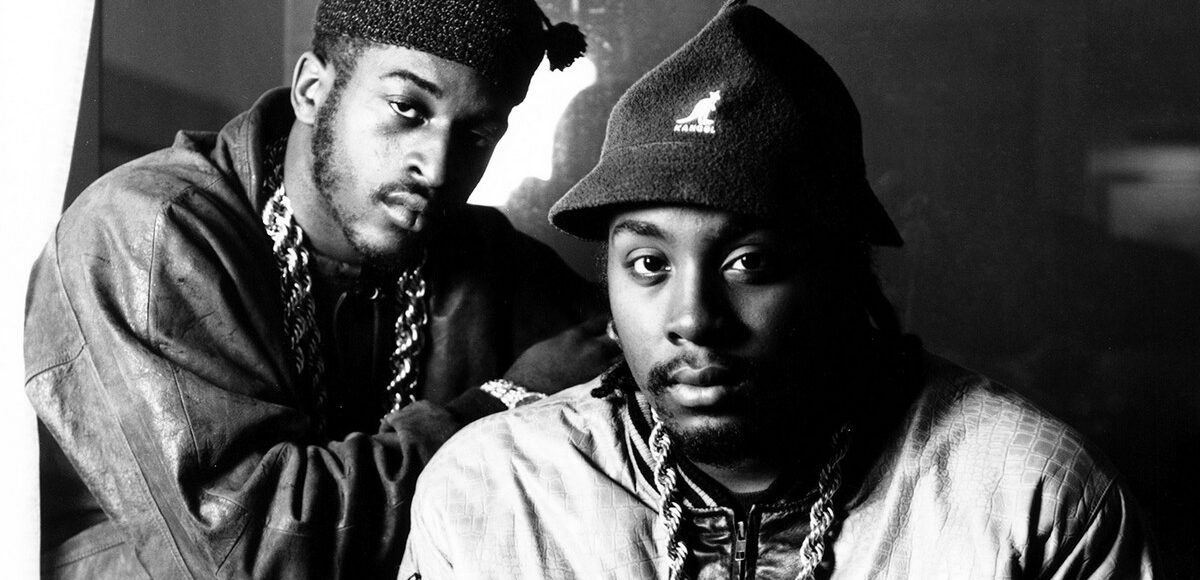
The “7 Minutes of Madness” remix of Eric B. & Rakim’s Paid in Full builds on Ofra Haza’s sampled voice and a low bass pulse that loops without change. Eric B. locks drums and cuts into a steady pattern with deliberate gaps; silence between hits feels planned. Rakim rides the beat without chasing it: composed, exact, no shout required. Strength is placement. Every rhyme lands where the pocket expects it.
Coldcut’s extended remix turned a already sharp 1987 street-rap record into a club and radio event across the Atlantic, especially in the UK. Haza’s Yemenite-Israeli vocal sample gave the groove an eerie melodic banner; hip-hop’s crate diggers took notes. Rakim himself called it the best remix he had heard. That endorsement matters more than later myth: the MC recognized the architecture.
Head-nod immersion is the point. Drums move as current rather than explosion. DJs used the length and the open space; producers studied how a foreign vocal hook could sit inside boom-bap without novelty fatigue. Eric B. & Rakim’s reputation for lyrical precision and DJ craft both show here in remix form: paid-in-full professionalism applied to someone else’s edit.
That was the best remix I had ever heard.
(Rakim, 1987)
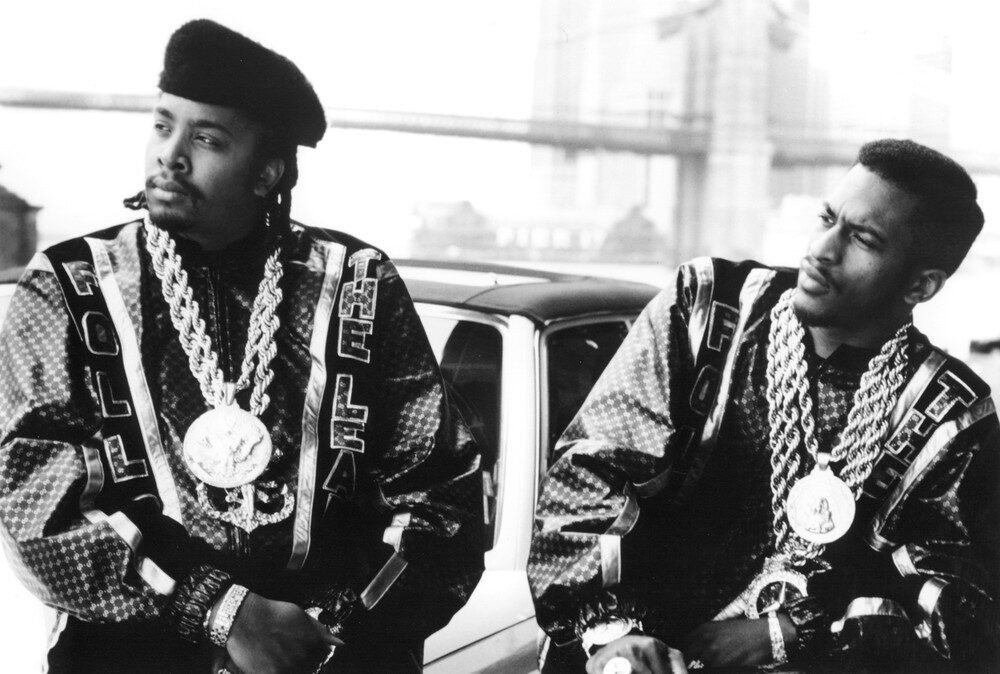
Play the original album cut beside the Madness remix and the lesson is clear: same MCs, new frame, bigger international doorway. Sampling ethics debates came later; in the moment it was a dancefloor fact. Hip-hop’s late-80s global crossover has many doors. This is one with a named remixer team, a named sample, and a named compliment from Rakim.
Rhythm as structure, not decoration. Seven minutes that still teach pocket and patience.
Eric B. & Rakim’s album version already ranked among late-80s lyrical benchmarks; Coldcut’s remix opened doors in clubs that wanted longer blends and a melodic banner on top. Ofra Haza’s sample became one of hip-hop’s most cited cross-cultural grabs, for better and for later clearance arguments. In 1987 the dancefloor verdict came first. UK charts and mix-shows treated “7 Minutes of Madness” as an event record you could ride for a full blend.
Rakim’s calm authority on the mic teaches the same lesson as the remix’s open spaces: power without yelling. DJ scholarship still breaks down Eric B.’s cuts and Coldcut’s extensions as complementary crafts. When modern producers ask how to host a foreign melodic sample inside boom-bap, this is still a primary text. Paid in full, in the professional sense: credits, runtime, and a quote from the MC that endorses the edit.
Island and 4th & B’way era distribution helped the Madness remix travel; mix-tape culture did the rest. Producers still isolate Haza’s phrase as a case study in pitching and chopping a melodic sample until it becomes rhythmic glue. Eric B.’s reputation as a DJ’s DJ sits beside Rakim’s as a writer’s writer; the remix lets both brands share a longer runtime without diluting either. Club sound systems loved the bass weight; radio loved the recognizable vocal banner.