




Birmingham, 1978: reggae from a mixed city, DEP 8 cards, covers that charted
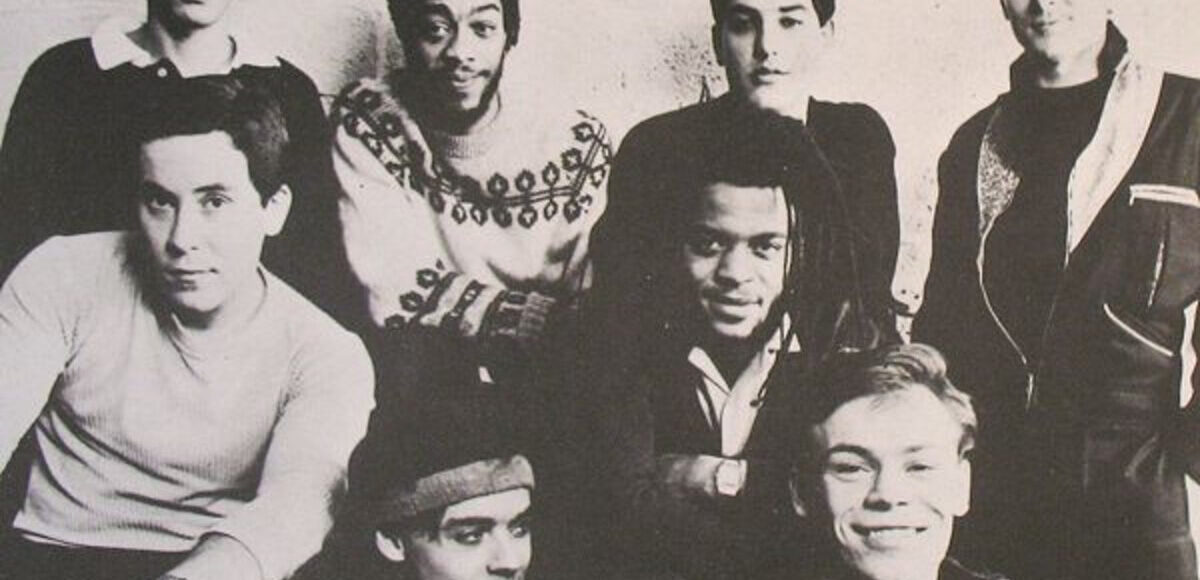
In Birmingham in 1978, friends from the city’s multiracial neighborhoods chose reggae as their common language. Punk was still arguing politics in London. Disco still took much of American radio. They named themselves after Unemployment Benefit Form 40, the paperwork that marked the recession they had grown up inside. Ali Campbell sang with a relaxed tenor. Astro brought toasting from his Jamaican roots. Robin Campbell, Earl Falconer, Brian Travers, Norman Hassan, Jimmy Brown, and Michael Virtue built a lineup that could hold a slow skank for a full set without turning it into a novelty act.
The Campbell brothers came out of a city where Caribbean sound systems and British pop shared the same streets. Astro had worked dancehall floors before the band existed. Brian Travers picked up saxophone lines from Jamaican records and learned to weave them through pop song lengths. The mix is already on the first demos: Birmingham streets, Kingston rhythm. They were a British band playing reggae, not a copy of a Jamaican studio group. Listeners who already knew Bob Marley got something local, a song they could sing along to on the bus.
Signing to Graduate Records, they released Signing Off (1980) from a bedsit studio setup that kept the mix dry and the bass forward. «Food for Thought» and «King» name unemployment, racism and everyday pressure in plain language, over a slow groove. The album hit number two in the UK and stayed on the chart for more than a year. Graduate Records had no major-label budget behind the release. For a reggae act in that position, more than a year on the UK chart was still a long run.
Labour of Love (1983) changed what most of the public heard from the band. They recorded covers of songs they had grown up on, from «Many Rivers to Cross» to «Red Red Wine.» Purists grumbled. Radio programmers did not. The Neil Diamond song became a worldwide number one in 1988, after a remix pushed the vocal higher in the mix. They honoured the source, kept the groove, and Ali Campbell’s voice carried the melody. The covers paid for years of their own writing, and the tours stayed full.
Original albums through the 1980s and 1990s, including UB44, Geffery Morgan, and Promises and Lies, balanced lovers rock, social lyrics, and the sax-and-keyboard colour that Travers and Virtue locked in. «Can’t Help Falling in Love» (1993) repeated the cover playbook with Elvis’s ballad and again climbed the charts. The sound stayed easy to recognise. Rim-shot snare, rounded bass, guitar upstroke on the offbeat. Keyboards filled gaps and stayed out of the vocal.
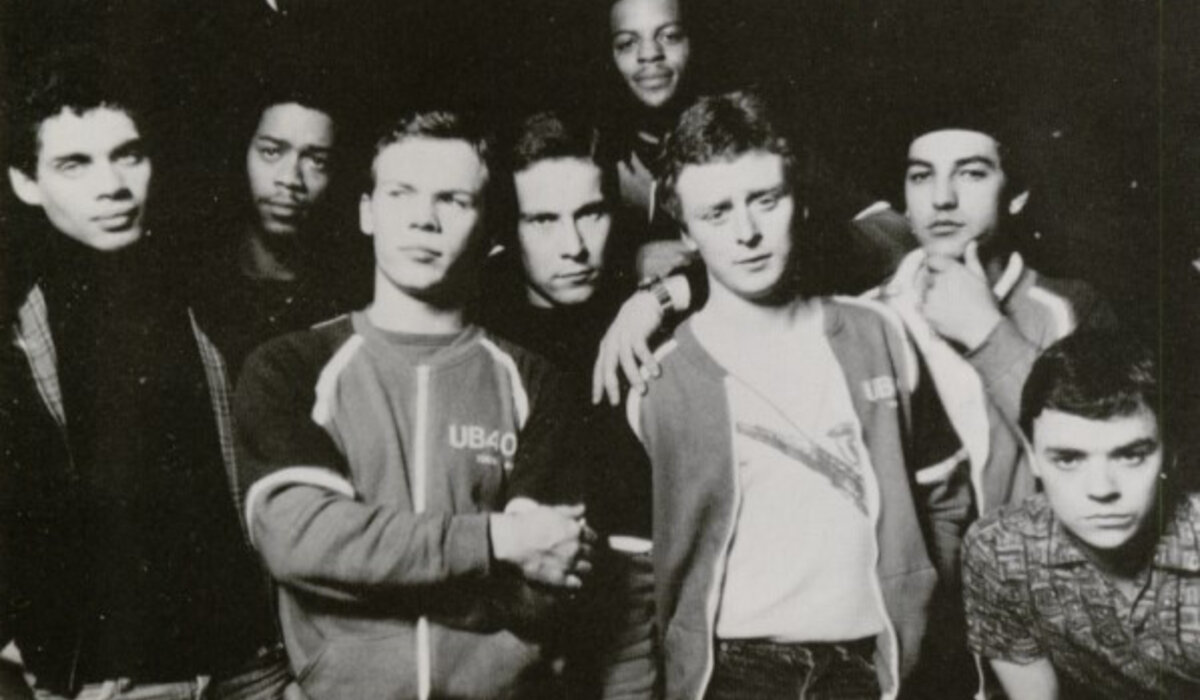
Internal splits reshaped the story. Ali Campbell left in 2008; Astro followed later; both toured under the UB40 name in competing lineups for a time, which confused fans and journalists alike. Robin Campbell’s faction kept recording and touring with Duncan Campbell on vocals. The legal and family dimensions are messy, but the catalogue from the classic years remains intact on streaming and still fills summer festivals.
The influences are easy to hear. Bob Marley and Burning Spear show in the roots songs. Ken Boothe and lovers rock show in the smoother melodies. The lyric tone is as direct as British punk. UB40 did not follow dancehall’s digital edges, or the more experimental side of dub. The records still play in a supermarket and on a sound system.
Ali Campbell phrases without hurry. Astro’s toast cuts into the groove. Travers answers the vocal on saxophone. The rhythm section does not rush the one-drop. Even when keyboards carry a whole section, the production often sounds like players in a room, not a grid of loops.
Signing Off holds their own writing and the Birmingham context. Labour of Love holds the cover years in one album. «Red Red Wine» and «Food for Thought» still land on playlists. Next to Steel Pulse, UB40 is less militant and easier to sing. Next to Madness, Caribbean rhythm stays at the centre, and the songs are not a ska revival.
Reggae carried a British working-class band across decades. The groove stayed, and the social subjects stayed in the lyrics. The DEP 8 name was a joke about the dole form they had grown up with. Choruses were sweet enough for radio around the world. The verses still named unemployment, racism and the paperwork itself.



Paulo | 10 octubre 2026
|
Gateway band for a lot of friends. Me too, not ashamed.
Marie-Claire | 11 octubre 2026
|
gateway band for a lot of friends. Me too, not ashamed. Might be recency bias but I do not care today.
Jackie | 12 octubre 2026
|
My older sibling forced UB40 on me. Best bullying ever. I told my coworker and they shrugged. Their loss.
Jules M. | 12 octubre 2026
|
i like when writers talk players, not just myths. Good job here.
Chloé | 13 octubre 2026
|
not perfect live every night, but when it clicks… yeah. Might be recency bias but I do not care today.
Rosa | 13 octubre 2026
|
My older sibling forced UB40 on me. Best bullying ever. Also the comments section on old forums was wild about this.
Mateo | 13 octubre 2026
|
Underrated catalog honestly. People only quote the obvious singles. I am biased and fine with it.
Priya | 14 octubre 2026
|
Short take: UB40 still sounds like a band, not a brand.
Léa | 14 octubre 2026
|
Not perfect live every night, but when it clicks… yeah. Sharing this in the group chat. Expect chaos. I am biased and fine with it.
Sofi | 15 octubre 2026
|
Underrated catalog honestly. People only quote the obvious singles. Also the comments section on old forums was wild about this.
Bruno | 16 octubre 2026
|
Not perfect live every night, but when it clicks… yeah. Good piece.
Louise | 16 octubre 2026
|
underrated catalog honestly. People only quote the obvious singles. Coffee got cold while I finished the article. Acceptable.