
Body Talk, Just an Illusion, and a Roman-slave look built for Top of the Pops
Leee John met guitarist-bassist Ashley Ingram while singing backup on the UK soul circuit for acts such as the Delfonics and Chairmen of the Board. Drummer Errol Kennedy completed the trio after shared auditions around short-lived projects. Imagination formed in London in 1981 and signed to R&B Records. Body Talk, their debut album the same year, led with the title single and set the method: slow funk grooves, falsetto leads, and stage clothes that refused ordinary dress. John wrote and arranged with Ingram; Kennedy locked the pocket. British club DJs picked up the 12-inches fast.
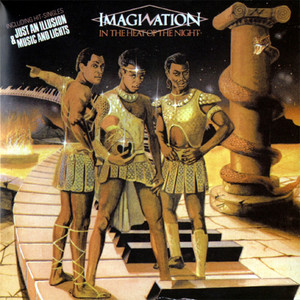
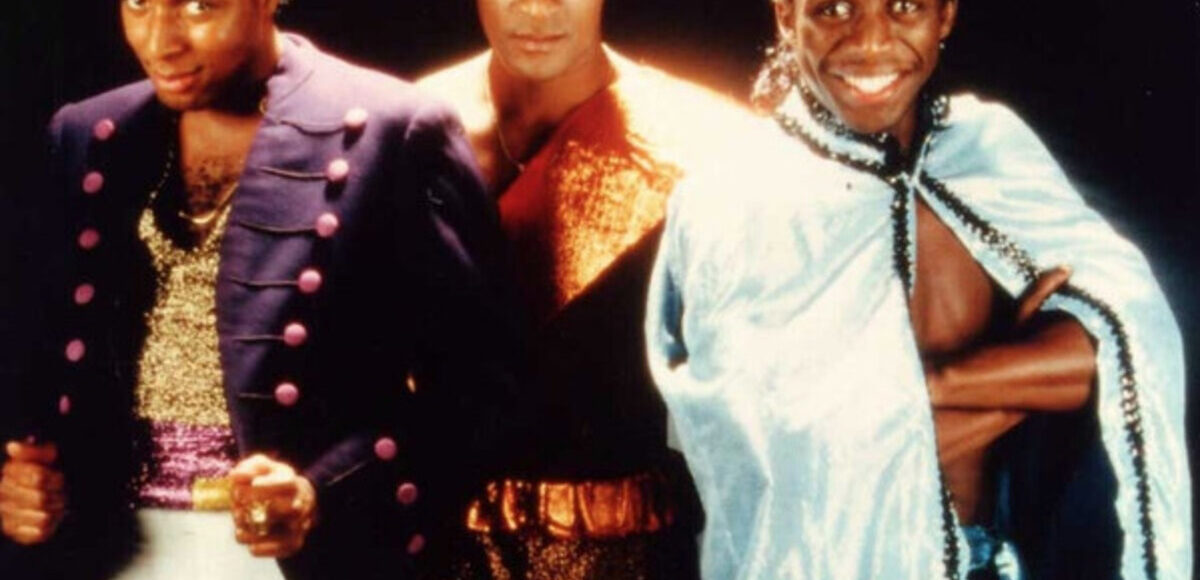
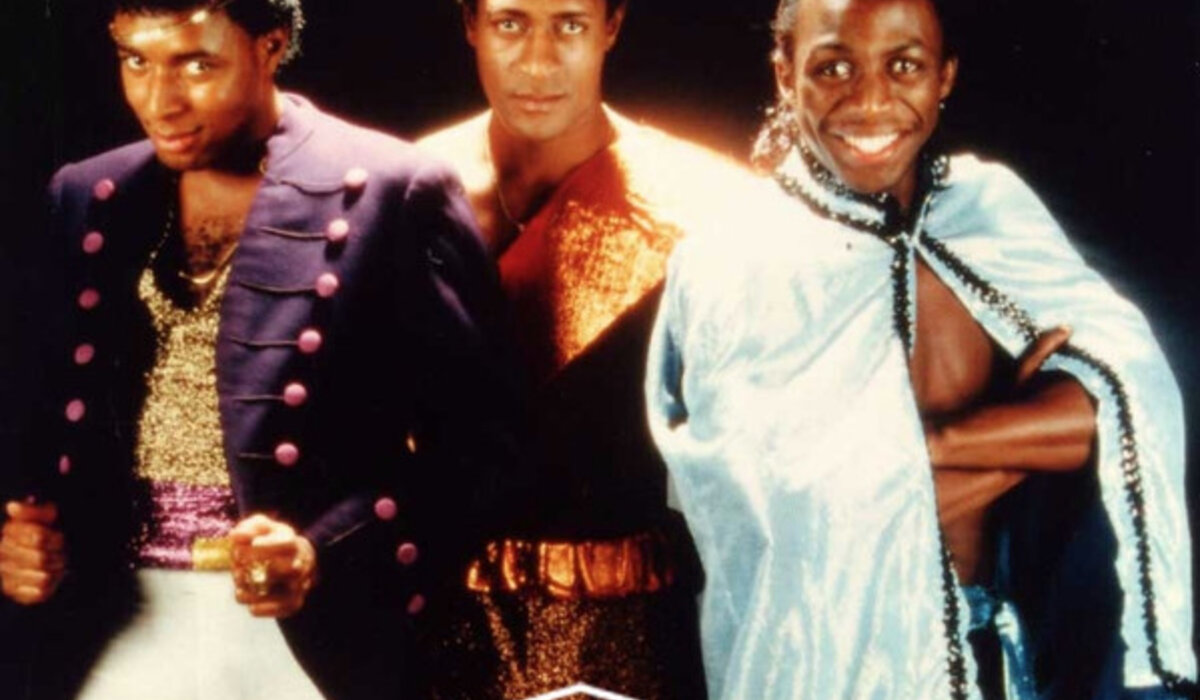
In the Heat of the Night (1982) delivered the peak. « Just an Illusion » reached No. 2 on the UK Singles Chart in March 1982 and travelled across Europe. « Music and Lights » hit No. 5. « In the Heat of the Night » and « Changes » kept them on Top of the Pops in outfits that borrowed from Roman senators, harem guards, and theatrical excess. The records were not novelty. The bass was round, the synths clean, the choruses built for dancefloors that still wanted a song with a middle eight. John’s vocal sat high without losing the groove’s weight.
Night Dubbing (1983) flipped the hits into dub and remix versions that DJs preferred for longer sets. Later albums such as Scandalous (1983), Trilogy (1986), and Closer (1987) charted softer as tastes moved toward house and hip hop. The classic trio run sits in those early 80s singles: post-disco tempo, soul harmony, British chart ambition. John later kept the Imagination name alive on stage and on anniversary reissues; Kennedy and Ingram’s contributions remain audible on the first burst of hits.
The costumes got the jokes. The pocket got the bookings. What British funk and post-disco learned from Imagination was practical: you could dress theatrically for television and still write a bassline that club DJs kept for decades. « Just an Illusion » outlived the costume jokes because the groove was measured, not frantic, and the vocal sat on top without shouting.
Continental chart runs mattered as much as the UK peaks. « Just an Illusion » and « Music and Lights » found club and radio homes in France, Italy, Germany, and beyond, which is why anniversary tours still sell tickets outside Britain. Remaster campaigns in the 2020s put Body Talk and In the Heat of the Night back into shops with clean transfers. The costumes photograph well; the reason the reissues sell is the bass and the chorus.
Influences sit in the arrangement: American soul backup work in John’s past, post-disco UK clubs, Chic-like bass clarity without copying Nile Rodgers note for note, and the British habit of pairing groove with visual spectacle for television.
Sonically, listen for round bass, clean synth pads, Kennedy’s steady hi-hat marriage, and John’s falsetto leading without oversinging. Breakdowns return to the hook with discipline: verse, hook, breakdown, return. That structure is why the tracks still work in a DJ set between American boogie and European synth-pop.
Entry points are clear. Body Talk for the debut statement. In the Heat of the Night for the chart peak. Night Dubbing if you want extended dancefloor versions. Add « Just an Illusion, » « Music and Lights, » and « Body Talk » to one playlist and you hear the trio’s core before the softer later albums.
Beside Level 42 or Light of the World, Imagination shared British funk ambition but pushed harder toward Top of the Pops theatre. Beside American boogie acts, they shared post-disco tempo but with a European chart polish and costume narrative. What distinguishes them is the split between image and pocket: gold belts were marketing; the rhythm section was the product.
Put on « Body Talk » next to « Just an Illusion » and you hear the same trio: John’s lead, Ingram’s writing hand, Kennedy’s drum pocket. Imagination is still filed as 80s novelty in some playlists. Body Talk and In the Heat of the Night argue for a clearer shelf: London post-disco that dressed for television and wrote for the floor. That is why the early records still repay a full listen.