
Scottish funk, Atlantic Studios, Hot 100 in 1975
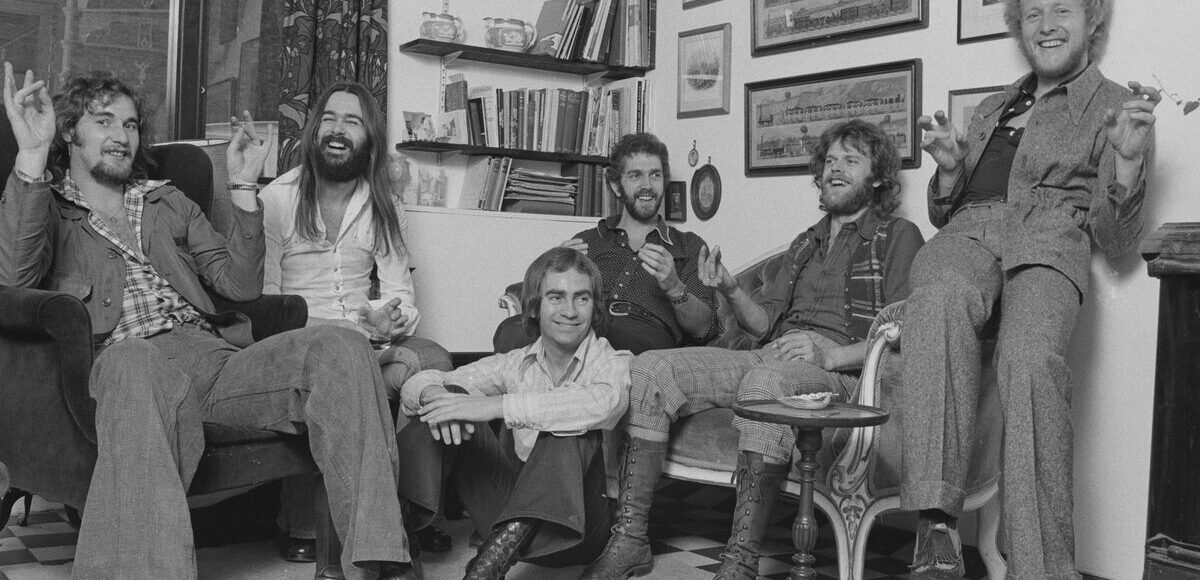
In Atlantic’s New York studios in 1974, Average White Band tracked a near-instrumental funk cut that would later push Linda Ronstadt off the top of the Hot 100. Pick Up the Pieces hangs on a clipped guitar figure from Hamish Stuart, a horn line sketched by saxophonist Roger Ball, and a shouted title that lands like a cue, not a verse. No love story, no bridge confession. Pocket, brass, and a band that refuses to fill the silence with words.
They had already cut album versions for MCA at Clover Studios in Los Angeles. MCA passed. The tape reached Atlantic’s Jerry Wexler in L.A., who signed them on the spot. Producer Arif Mardin asked for two more songs, then moved sessions to Criteria in Miami. The jump in sound was so clear that Atlantic flew the band to New York to re-record seven tracks at Atlantic Studios with engineer Gene Paul. Those New York takes became the core of AWB, released 23 August 1974.
On the floor you hear why the remakes mattered. The drums sit dry and forward. The horns answer in short, punchy phrases instead of long soul ballad lines. Congas from Ralph MacDonald thicken the pocket without crowding it. When the band yells the title, it feels like a command you can dance to. Saxophonist Malcolm “Molly” Duncan later admitted he doubted releasing a funk instrumental by Scotsmen with almost no lyrics. The dancefloor disagreed, and that doubt is part of what makes the record still fun to put on.
It’s about picking yourself up when things aren’t going well. We’d spent a lot of time making no money whatsoever, so it felt very relevant.
(Malcolm Duncan on the shouted title)
The single arrived in July 1974 with Work to Do on the B-side. In early 1975 it reached No. 1 on the Billboard Hot 100 and No. 5 on the R&B chart, while the white-sleeved album topped both the pop and Black albums lists. A Grammy nomination for Best R&B Instrumental Performance followed. In the UK the song climbed after the American breakthrough, proof that the export had worked the other way around.
The riff never really left. Hip-hop and R&B producers treated it as infrastructure: Beastie Boys, Public Enemy, TLC, A Tribe Called Quest and others lifted pieces of the groove into new records. Brand New Heavies and later funk revivalists cited AWB as a living blueprint rather than a museum piece. Put Pick Up the Pieces on today and you still hear the lesson from those Atlantic rooms: a tight band, a clear horn motif, and the nerve to let an instrumental carry a No. 1.