
Art-school boast turned class satire
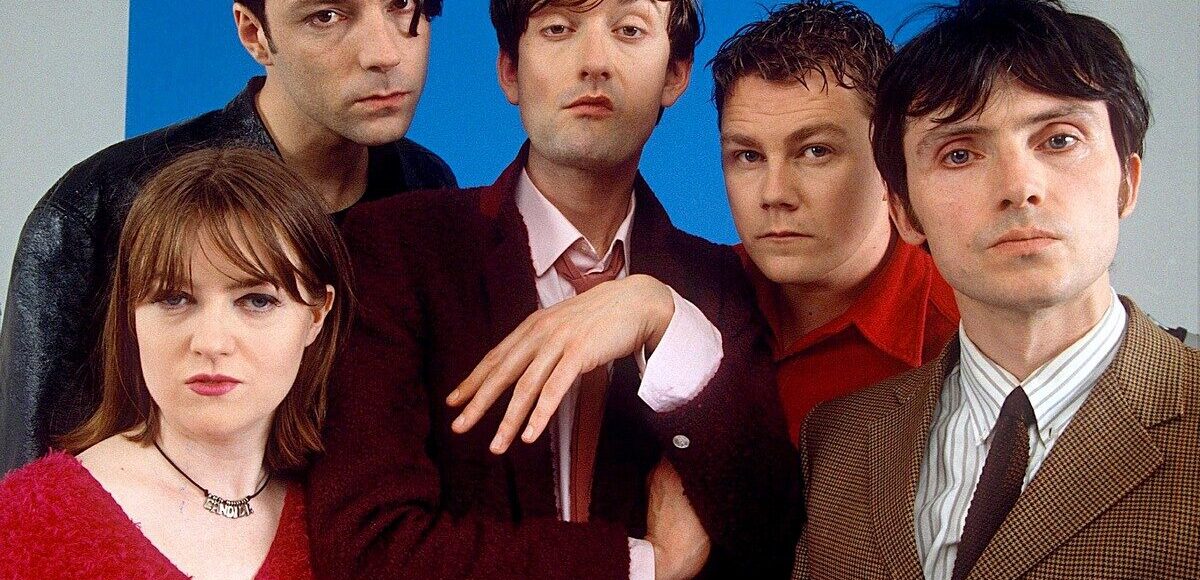
Common People opens on a synthetic drone and a dry beat that could sit under fluorescent supermarket lights. Jarvis Cocker half-talks the first verses: nasal, precise, almost conversational. The story is concrete. A Greek art student in London tells him she wants to live like “common people.” He turns the line into a song about tourism in poverty, frozen dinners, and dancefloors where nobody can afford a cab home. Candida Doyle’s keyboards pulse cheap and bright; Steve Mackey’s bass stays low and stubborn; the drums never ease off.
Pulp had been around for years before Britpop made them famous. By 1995, Cocker had enough club nights and missed chances behind him to write without romanticizing. The arrangement runs like a conveyor: each chorus hits harder, the synths thicken, his delivery gets sharper. There is no soft middle eight for comfort. Mark Savage later compared the build to a runaway train, and that is how the record plays: tension stacked until the last refrain.
Released in the middle of Britpop’s chart boom, the single did not sell swagger the way Oasis or Blur often did. It sold observation. Cocker’s Top of the Pops performances fixed the song in British pop memory: suit, stare, no gimmicks. You still hear Common People in shops trying to sound edgy and in playlists that treat 90s indie as lifestyle décor. The track itself stays colder than that. It names the gap between borrowed poses and real fatigue, then keeps the beat moving. No sermon at the end, just the groove and the punchline repeating.
It built like a runaway train, and that was the mystery secret of the song.
(Mark Savage, BBC, 2025)

On record and on stage, the band refuses to soften the class joke. Fans still quote the verses as shorthand for fake solidarity. Newer listeners meet it through reissues, festivals, and syncs that dull some sting. Played loud, the 1995 cut still works: danceable, sarcastic, specific about London money and who leaves when the night ends.
That is why it outlasted louder Britpop singles. Pulp packaged social commentary as a club track with a clear story and a shoutable hook. Common People still explains the band best: sharp writing, deliberately cheap keyboards, and a frontman who reported the room instead of mythologizing it.