
Tuskegee Motown, Commodores funk, then solo soft-rock radio
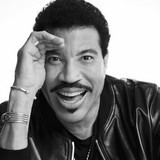
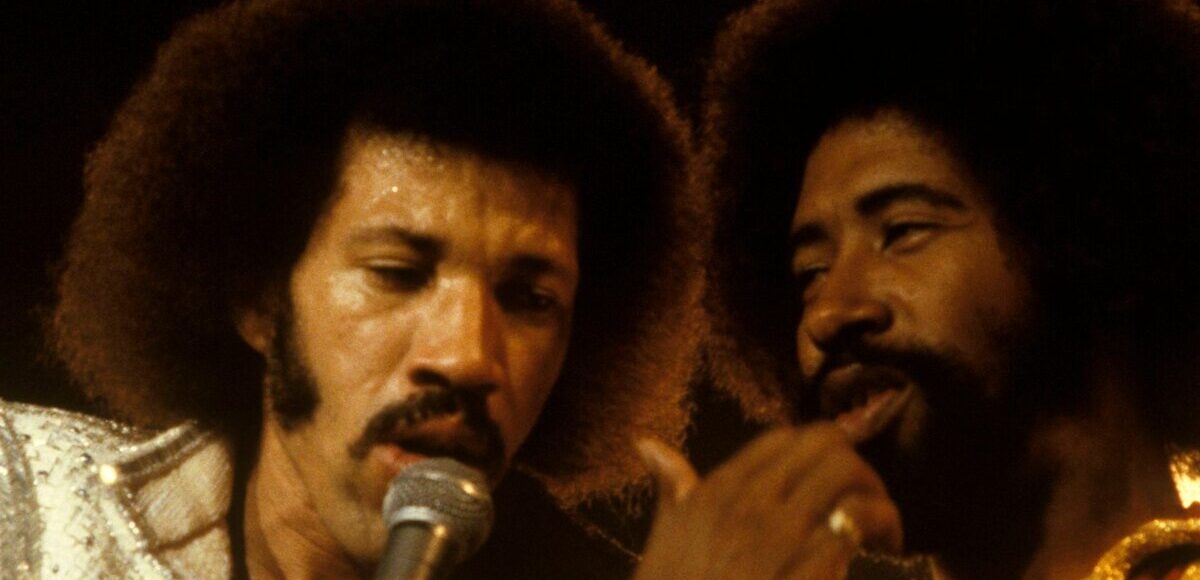
Lionel Richie grew up in Tuskegee, Alabama, where gospel choirs and campus bands shaped his ear before Motown ever called. At Tuskegee Institute he met classmates who would become the Commodores: a self-contained funk outfit that could play fraternity dances and stadium slots with the same tight horn section. Richie sang and wrote, leaning early toward ballads inside a band built for dance grooves.
The Commodores’ 1970s run mixed hard funk and slow romance on the same album. “Brick House” let the rhythm section flex; “Easy” and “Three Times a Lady” put Richie’s warm tenor on songs that crossed from R&B to adult radio without changing arrangement language. He wrote for the group with a pop instinct rare in funk bands: verse-chorus clarity, hooks that worked on piano as well as on sax lines.
When Richie stepped fully solo in 1982 with Lionel Richie on Motown, the shift looked inevitable in hindsight. “Truly” extended the ballad lane; “You Are” kept the Commodores’ harmonic sweetness with cleaner production. The album’s success freed him to write for a global audience that wanted reassurance more than grit, a lane Motown understood.
Can’t Slow Down (1983) became one of the decade’s defining pop objects. “All Night Long (All Night)” blended Caribbean party rhythm with a chorus built for stadium singalongs. “Hello” and “Penny Lover” slowed the tempo for telephone-drama ballads that dominated soft-rock radio. The record won Album of the Year at the Grammys and proved Richie could carry a show alone with the same ease he once shared with a horn line.
Dancing on the Ceiling (1986) and the co-writing credit on “We Are the World” for USA for Africa extended his reach into event television and charity spectacle. The title track’s ceiling-dance video became MTV furniture. Critics sometimes called the sound safe; arenas and radio programmers called it reliable. Richie’s voice stayed the constant: a tenor that comforted without sounding anonymous.
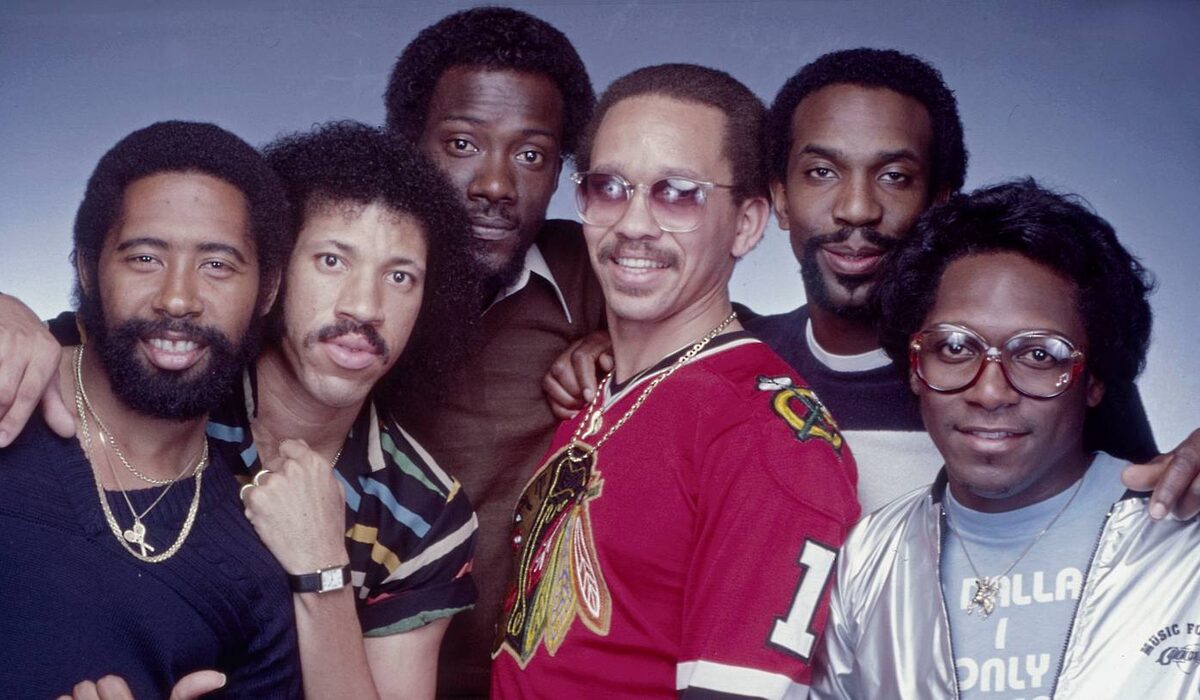
The 1990s and 2000s brought quieter albums, a return to country-leaning Tuskegee (2012) with duets on remakes of his own hits, and steady touring for audiences who wanted the catalogue more than new experiments. Commodores reunions without Richie and his solo shows without the full band underline how central his writing was to both names. He also mentored younger pop acts behind the scenes, which kept his harmonic language circulating even when his own singles slowed.
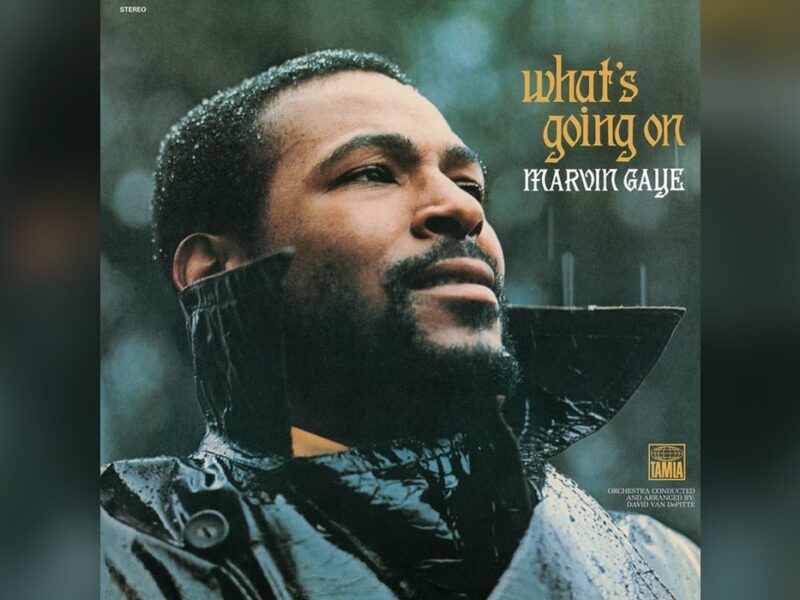
Influences span gospel phrasing, Motown melody discipline, and the smooth soul of Marvin Gaye’s later ballads. Richie rarely chased hip-hop or hard funk after the solo break; he doubled down on access, which is why his songs still appear at weddings and closing ceremonies decades later.
Listen for the handclap grid on “All Night Long,” the breathy entry on “Hello,” stacked backing vocals that mirror Commodores arrangements, and keyboards replacing horn lines without losing warmth.
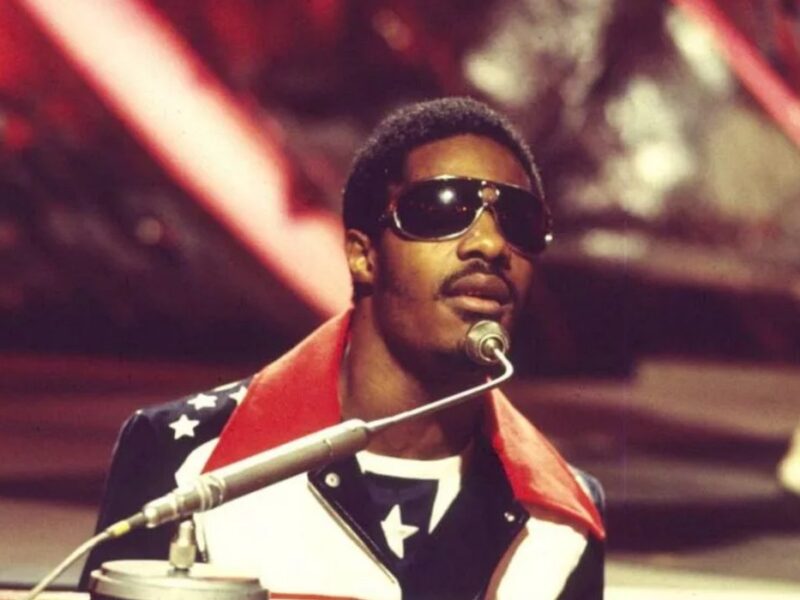
Entry points: Can’t Slow Down as a complete statement, the Commodores’ Natural High for “Easy,” and Lionel Richie (1982) for the solo threshold. Compared with Stevie Wonder, Richie traded harmonic adventure for direct melody. Compared with Phil Collins in the same radio lane, he kept more R&B glide in the vocal.
Richie’s career maps how Motown’s soft side could scale to global pop without losing the Alabama church in the phrasing. The ballads are easy to mock until you hear how precisely the chorus lands; the party tracks work because the groove stays unhurried even at stadium volume.
That combination of warmth and craft is why the catalogue still earns listens beyond nostalgia: it documents a singer who chose clarity over surprise and filled that choice with enough melody to carry whole evenings. Start a playlist with “Easy” and end on “All Night Long” and the through-line is obvious: comfort first, groove second, and a voice that never hides behind production tricks.