Bath, Big Chair, and singles that refused to stay small
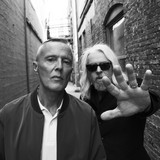
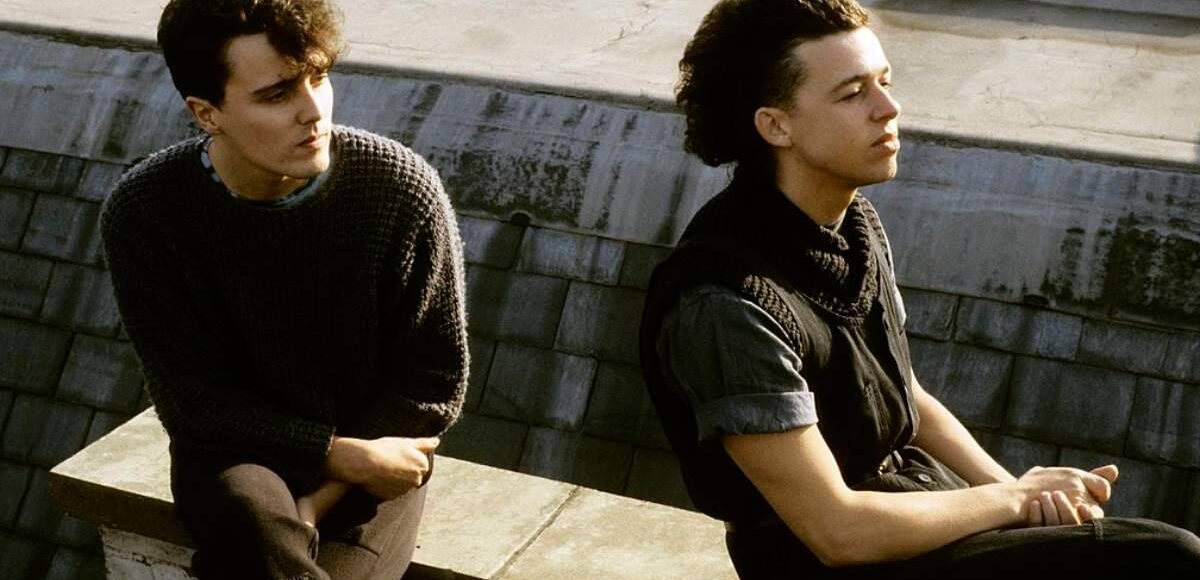
Roland Orzabal and Curt Smith grew up in Bath and had played together in a teenage group called Graduate before Orzabal came across Arthur Janov’s Primal Scream, a therapeutic text arguing that adult distress traces back to unprocessed childhood emotion. The band name came directly from Janov’s vocabulary. The songs followed the theory, but they were also built to work on the radio. The combination was not accidental: both members knew what a hook needed to do before they decided what it should say.
The Hurting (1983) arrived in the middle of Britain’s synth-pop moment. Produced by Chris Hughes and Ross Cullum, the album balanced synthesizer textures with live drums and clear vocal hooks. “Mad World,” “Change,” and “Pale Shelter” put the album into the UK Top 40 and established a template: anxiety dressed as melody, personal therapy language as pop lyric. Orzabal wrote the majority of the material. Smith sang most of it. The division worked because their voices sat at different registers in the same emotional range.
Songs from the Big Chair (1985) was the commercial breakthrough at scale. Produced again with Hughes and David Lord, it added Fairlight orchestrations, polished arrangements, and a studio sound that held up equally well on a Walkman and in a stadium. “Shout” and “Everybody Wants to Rule the World” became transatlantic fixtures. “Head Over Heels” and “Mothers Talk” showed range inside the formula. The melodic intelligence of the album was above the chart position it occupied.
The influences behind the duo were not purely British. American arena rock contributed clean guitar dynamics and a sense of anthem structure. Peter Gabriel’s post-Genesis work showed how to make serious content feel physical at live volume. Vince Clarke’s departing template for Depeche Mode influenced the synth palette. Orzabal’s rhythm guitar playing, in particular, brought a rock discipline that purely electronic groups of the period lacked: he was not programming aggression, he was playing it.
The Seeds of Love (1989) was a slow, expensive process that stretched toward psychedelic soul and longer track shapes. Oleta Adams’s voice on “Woman in Chains” sat outside the synth-pop bracket entirely. The album sold and received strong reviews, but the partnership between Orzabal and Smith cracked under the budget pressure and the creative distance that came with it. Smith left after the album’s cycle ended.
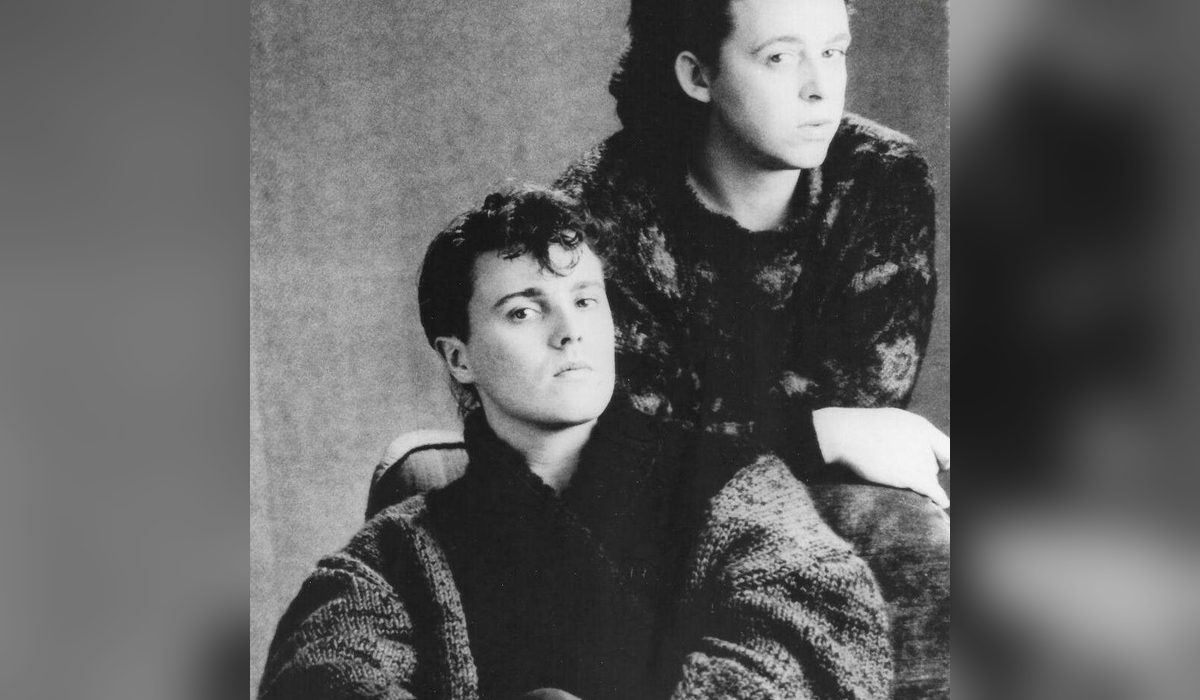
Orzabal kept the name through Elemental (1993) and Raoul and the Kings of Spain (1995), writing with the same melodic stubbornness in a smaller commercial space. The audience had moved, but the songwriting had not diminished. Reunion came with Everybody Loves a Happy Ending (2004), which proved the duo chemistry outlasted the gap, and The Tipping Point (2022), received to surprisingly warm critical attention after a further break of nearly two decades.
Live, the Big Chair songs remain dependable architecture. “Shout” still fills a room at a tempo that does not need a remix or a DJ drop between verses. “Everybody Wants to Rule the World” sounds built for outdoor stages: intro, lift, chorus, inevitable return. What made those songs live-proof was structure: Orzabal and Smith wrote verses with a clear function, bridges that mattered, and choruses that delivered on the setup.
What distinguished Tears For Fears from the purely commercial end of 80s British pop was the combination of lyrical seriousness and chart craft. They read the therapy texts and counted the bars. “Mad World,” covered by Gary Jules in 2003 for the Donnie Darko soundtrack with piano and almost no percussion, became a new generation’s entry point: Orzabal’s lyric unchanged, the sadness that had always been there now impossible to ignore.
Start with Songs from the Big Chair for the complete commercial statement. Add The Hurting for the rawer, stranger original. The Seeds of Love rounds out the picture with its orchestral reach. Distinct from contemporaries: less glacial than New Order, warmer than Depeche Mode, less theatrical than the Pet Shop Boys. Closer in format to Howard Jones or Paul Young, but better constructed and more willing to let the lyric sit in the frame uncomfortably.
The duo’s inheritance sits in any act that tried to make synthesizer pop feel like a considered piece of writing. They got the arena and the lyric sheet right at the same time. That is harder to manage than either on its own, and it remains the reason the catalogue has not faded into mere nostalgia.