Manchester to Exit Planet Dust: samples, breaks, and arena dance
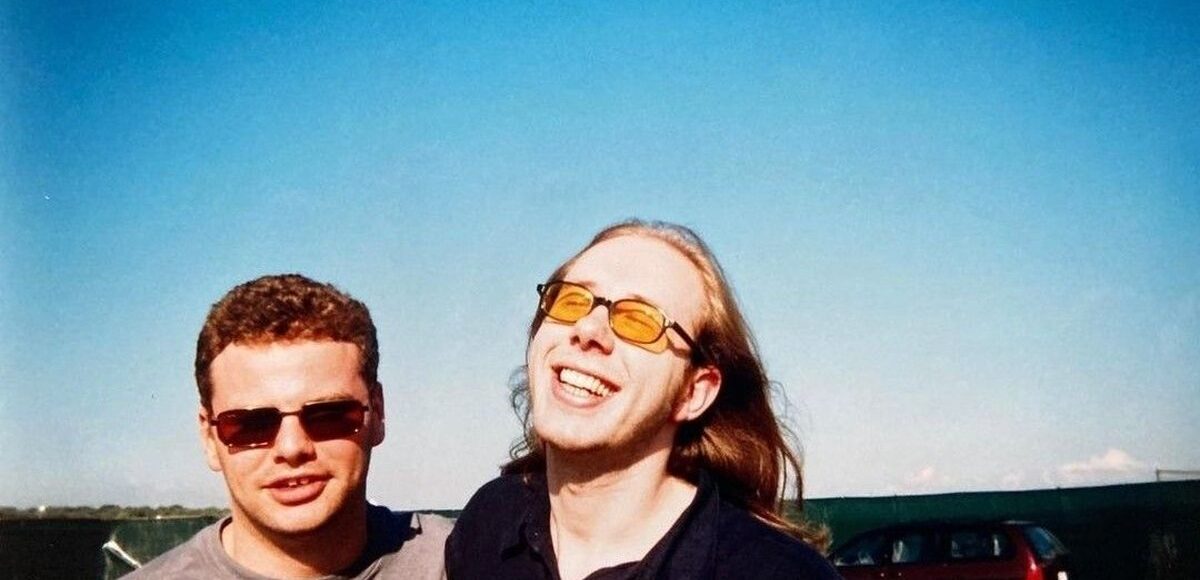
Tom Rowlands and Ed Simons met at Manchester University in the early 1990s, when house music and hip-hop were rewriting what a dance act could look like. They started DJing together under the name the Dust Brothers, playing Heavenly Social nights and building a reputation for sets that treated samples with the care a producer gives a studio session. A legal dispute with an American production duo who already held the name forced a rename to The Chemical Brothers in 1994, but the method stayed constant: dig deep into the crates, stack breaks, and make the room move.
Exit Planet Dust (1995), released on Junior Boy’s Own and their own Freestyle Dust imprint, set out the formula in full. “Leave Home”, “Chemical Beats”, and “One Too Many Mornings” pushed hip-hop breaks against rock guitar energy and club-weight bass, producing records that could function at a sweaty club at 2 a.m. or a festival field at noon. The production was deliberately rough in places, with samples sitting high in the mix rather than buried under processing. Big beat became the press category, and while the label quickly became a cage for some acts, Rowlands and Simons were too focused on the physical result to care what the magazines called it.
Dig Your Own Hole (1997) broadened the palette with collaborators. Noel Gallagher played guitar on “Setting Sun”, a track that arrived with the weight of a Britpop crossover moment but was really the Chemical Brothers pulling guitar culture into their own frame rather than the other way around. Beth Orton sang on “Where Do I Begin” with a softness that sat against the production without disappearing into it. “Block Rockin’ Beats” won a Grammy, drove a video that matched the duo’s blunt energy, and became one of the defining British club tracks of the decade.
Surrender (1999) sealed their position as festival headliners before the concept had fully taken hold. “Hey Boy Hey Girl” locked a whistle and a crowd chant into one hook and has not left festival setlists since. Bernard Sumner contributed to “Out of Control”, Q-Tip appeared on “Getaway”, and the visuals, often directed by Adam Smith in partnership with the duo, turned LED walls into part of the rhythm section. This set a template for how electronic acts could perform at arena scale without stripping the music of its club-floor logic.
Come with Us (2002) and Push the Button (2005) maintained the position between underground credibility and chart reach. Push the Button brought in Tim Burgess, Kele Okereke, and Q-Tip again, won the Mercury Prize, and demonstrated that a dance act could collect a prestigious album award without needing to slow down or explain itself in literary terms. Further (2010) ran longer and darker, reflecting something of the post-financial crisis atmosphere in its textures, and remains the most coherent album-length statement in the catalogue.
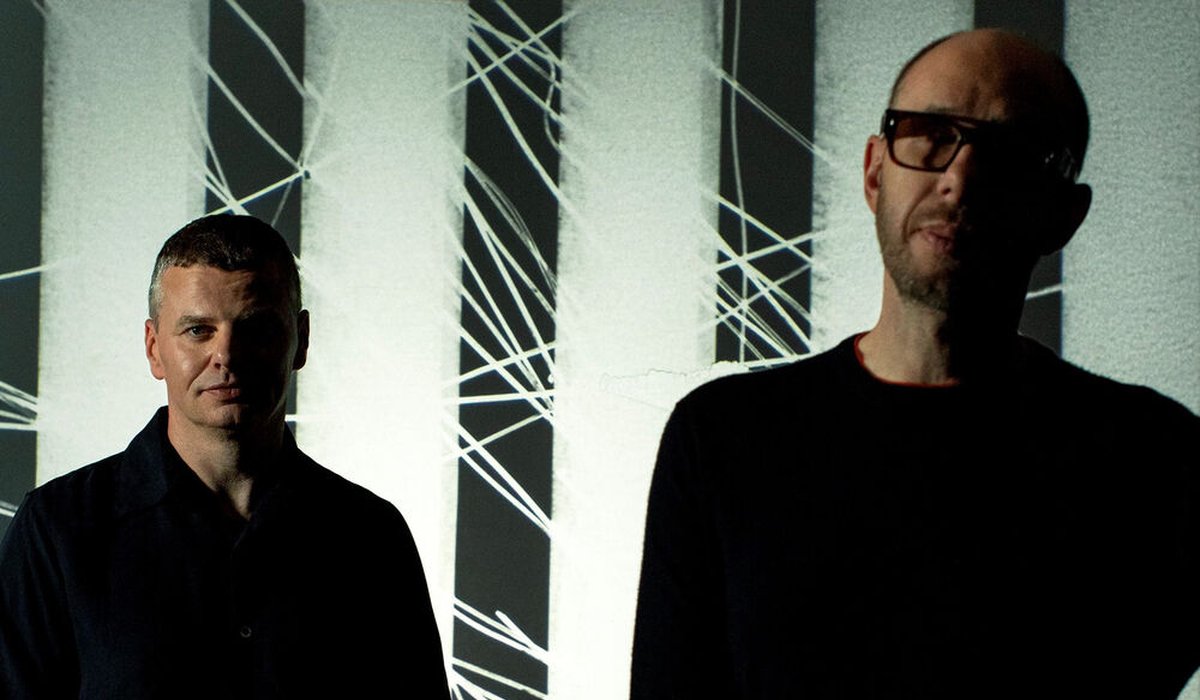
Born in the Echoes (2015), No Geography (2019), and For That Beautiful Feeling (2023) kept the archive growing without mechanically repeating the formula. Each record found new sounds to fold into the grid of kick and sample, and the live show continued to evolve: IMAX film collaborations, purpose-built stage rigs, and one of the most consistently impressive light-and-sound performances in electronic music, scaling from club to stadium without losing the sense that the floor is the point.
Among their electronic contemporaries, the Chemical Brothers occupy a specific position. Daft Punk built a mythology around helmets and anonymity and drew on disco more than hip-hop. Underworld stayed closer to club culture and literary lyric writing. The Prodigy pushed harder and louder, with Keith Flint as a front-of-stage presence that made the music feel confrontational. Rowlands and Simons were recognisable faces without a character act: two people in front of machines, interested in texture and arrangement as well as impact, and willing to let guests shape a track without ceding creative direction.
The sampling instincts that drive the music go back to Rowlands spending hours in record shops and to the Manchester club circuit that taught both of them what a crowd responds to physically. The Chemical Brothers’ gift is scale: they took tools designed for small rooms and wrote hooks that survive daylight festivals, then trusted the low end to do the persuading.
The way in depends on the era. Exit Planet Dust for the raw, early version; Dig Your Own Hole for the peak; Further for the depth. Singles-first, “Block Rockin’ Beats”, “Hey Boy Hey Girl”, and “Galvanize” cover the catalogue efficiently. For a single track that explains the whole project, “Setting Sun” from 1996 remains a study in how to take a classic rock reference and make it sound like a club record that has always existed.