
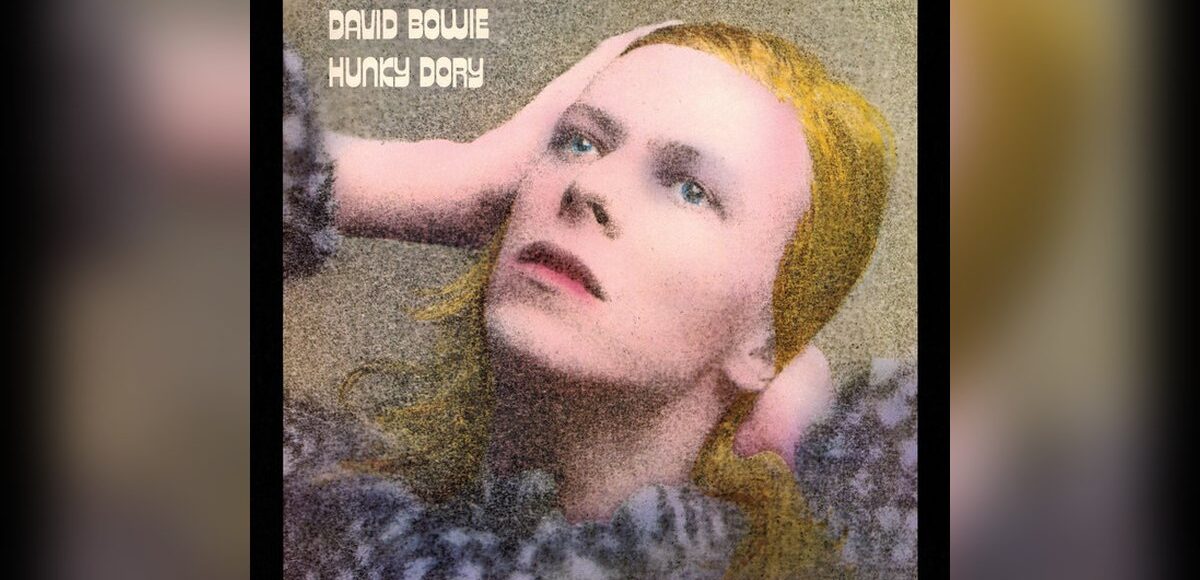
RCA piano songs before Ziggy
In 1971 RCA released Hunky Dory, the album where David Bowie stacked piano-led songs, Mick Ronson’s arrangements, and a clear run at British pop before Ziggy. Ken Scott co-produced. Sessions ran mainly at Trident in London with the Spiders in formation: Ronson, Trevor Bolder, Mick Woodmansey. The cover, a soft-focus Brian Ward portrait tinted by Terry Pastor, already looked like a star product even while the singles still fought for airtime.
“Changes” opens with a stuttering piano figure and a vocal about facing the strain of reinvention; it became a career slogan later, but on the record it is a tight radio song with a saxophone break that still lands clean. “Oh! You Pretty Things” and “Eight Line Poem” keep the piano forward. “Life on Mars?” builds from a music-hall cadence into a full string arrangement by Ronson, with Bowie’s vocal climbing over a lyric about a girl with the mousy hair and a failing screen dream. Rick Wakeman’s piano session work is part of that climb.
“Kooks,” written after the birth of Duncan Jones, stays domestic and bright. “Quicksand” folds in references to Crowley, Himmler, and Churchill without turning the track into a lecture. Side two moves through “Fill Your Heart,” the Warhol tribute “Andy Warhol,” “Song for Bob Dylan,” “Queen Bitch,” and “The Bewlay Brothers,” where the band gets harder and the writing more coded. “Queen Bitch” already points toward the glam guitar theatre that Ziggy would sell the next year.
I think Mick Ronson’s string arrangement on Life on Mars? is extraordinary.
(Ken Scott on the Hunky Dory sessions)
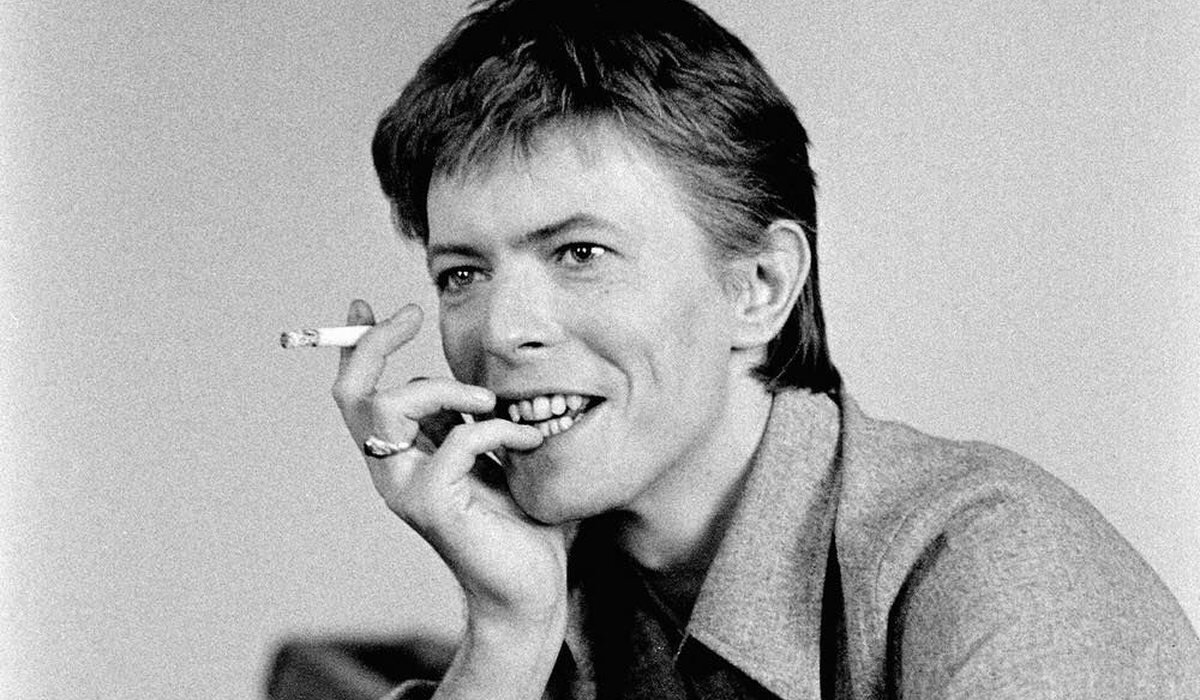
Chart life was slow at first. Hunky Dory rose after Ziggy’s breakthrough made buyers look backward through the catalogue. “Life on Mars?” later became one of Bowie’s most covered and most screened songs, helped by Mick Rock’s white-room promo and endless TV returns. “Changes” followed a similar path from album cut to radio shorthand.
The album’s usefulness is practical: it shows Bowie writing for piano and orchestra as carefully as for guitar theatre. Ronson’s charts, Scott’s clear mixes, and a set of songs that still work as singles give Hunky Dory a different job from The Rise and Fall of Ziggy Stardust and the Spiders from Mars.
One record builds the mask. This one builds the songbook that the mask would sell. Listen to the piano voice-leading and the string entries on “Life on Mars?” and you hear a writer already thinking in arrangements, not only in personas.