
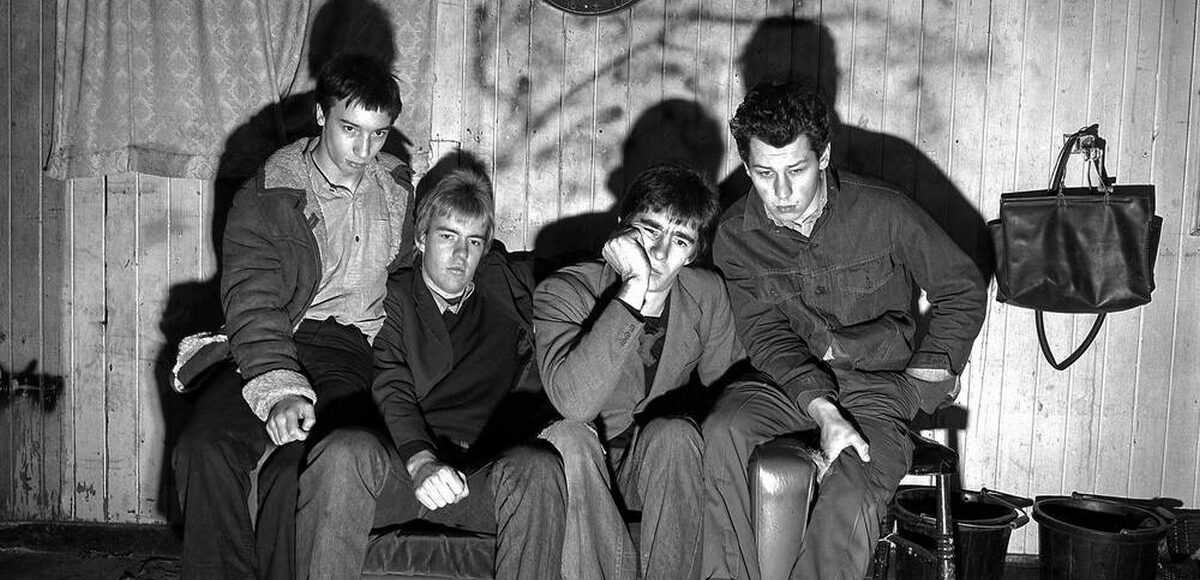
Hersham terrace into a slogan chorus
If the Kids Are United hits straight: raw chords, boots-on-concrete rhythm, Jimmy Pursey declaring rather than asking. The 1978 chorus works like a street slogan for working-class youth: no ornamental metaphors, just voices in one direction. Sham 69 came from Hersham, a London suburb without art-school gloss. Pursey had worked in a screen-printing factory and knew football terraces from the inside. Songs were movement for Saturday afternoons, pub windows, crowds that needed a chant.
He later said he was in a band that wanted to get across to kids of the day. That mission explains the writing better than punk mythology. Class unity was the pitch; live shows could tip into chaos when rival firms mixed. The record itself stays simple and loud enough for singalongs. Drums and guitars leave space for the gang vocal. Radio and punk compilations kept the hook alive long after the late-70s street politics moved on.
Compared with artier UK punk peers, Sham 69 sold directness. That made them beloved and controversial in the same week. The single remains the easiest citation when someone needs terrace-punk energy with a named town and a named frontman. Fists, sweat, raised voices: the inventory is physical, not poetic.
I was in a band that wanted to get across to kids of today.
(Jimmy Pursey, 1979)
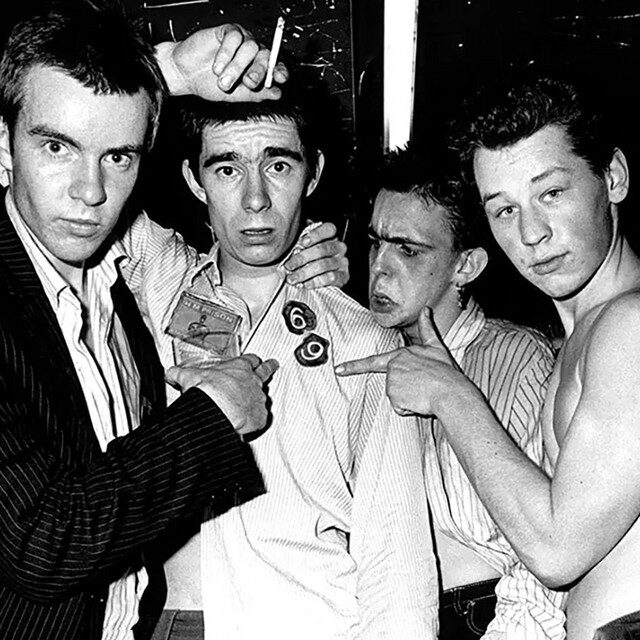
Cover versions and football-adjacent playlists still revive the chorus because it was built to be shouted. Punk histories that skip Hersham miss why the grain feels different from Kings Road boutique rebellion. Concrete legacy: 1978 single, Pursey’s factory-and-terrace résumé, a unity hook that outlived the week’s headlines.
When the temper’s burning, this is the cue. Still works at volume.
Punk historiography sometimes treats Sham 69 as a problem because real terrace culture followed them into halls. The single’s unity slogan and the crowd reality did not always match, and Pursey had to talk about that gap in public. None of that deletes the songwriting job: short lines, big chorus, guitars that leave oxygen for gang vocals. Hersham identity mattered as a class signal against London fashion-punk tourism.
Football terraces and factory shifts trained the grain of the voice more than art-school seminars. That is why covers at supporter events still work when prettier punk anthems fall flat. 1978 urgency stays audible on the original pressing. Kids united on the chorus even when the week’s headlines were uglier. The record remains the cleanest entry point to what Sham 69 were for.