
Self-titled, still playing every part
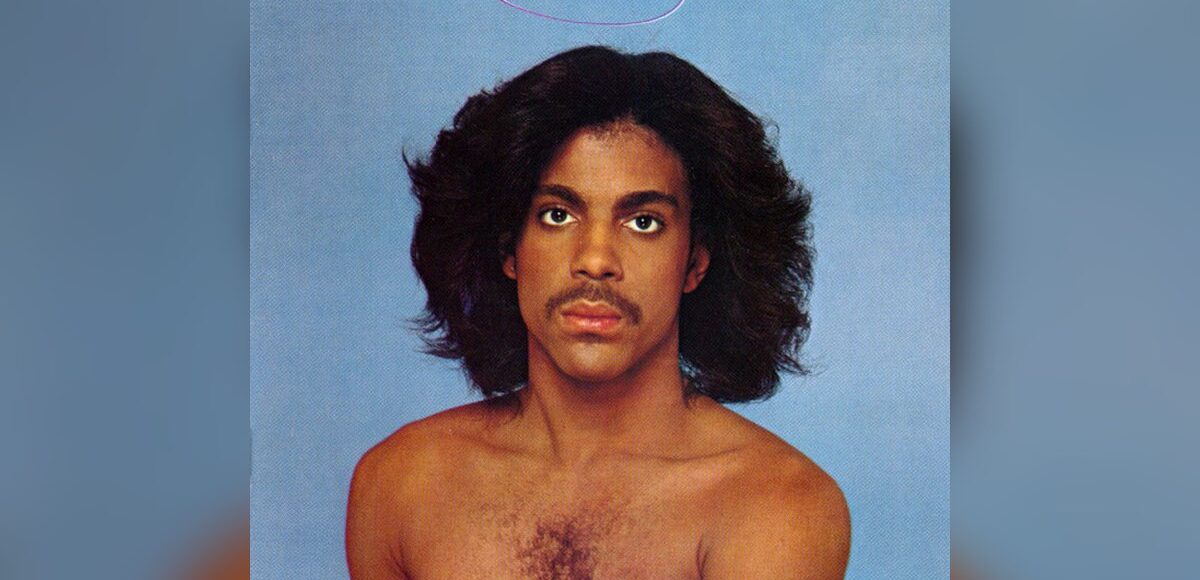
On 19 October 1979 Warner Bros. released Prince, the self-titled second album by the Minneapolis musician then still billed simply as Prince. After the costly polish of For You (1978), which he had also written and produced alone, Warner wanted a faster, more radio-ready follow-up. Sessions ran April to June 1979 at Alpha Studios in Burbank; remixes landed at Hollywood Sound Recorders, with mastering at A&M. Prince played nearly every instrument. The front sleeve – shirtless against light blue, name in pink script – became the first widely recognised Prince portrait.
Lead single I Wanna Be Your Lover opens on falsetto hooks and a dry disco-funk pocket. It topped Billboard’s Hot Soul Singles chart and reached number 11 on the Hot 100, his first real national pop hit, selling over a million copies. Why You Wanna Treat Me So Bad? brings a harder guitar edge; Sexy Dancer keeps club utility; Bambi flips into rock; Still Waiting and When We’re Dancing Close and Slow slow the pulse; I Feel for You later became a Chaka Khan smash. The nine-track, forty-minute runtime stays compact.
Promotion included American Bandstand in January 1980, where he performed I Wanna Be Your Lover and Why You Wanna Treat Me So Bad? and answered Dick Clark with a deadpan age claim. Chart-wise the album went platinum and sat higher than For You both critically and commercially. Dance and R&B radio locked onto the singles while rock programmers started noticing the guitar solos on Bambi and Why You Wanna Treat Me So Bad?.
This boy is going to be a big star, and he deserves it.
(Robert Christgau, Christgau’s Record Guide, on Prince (1979))
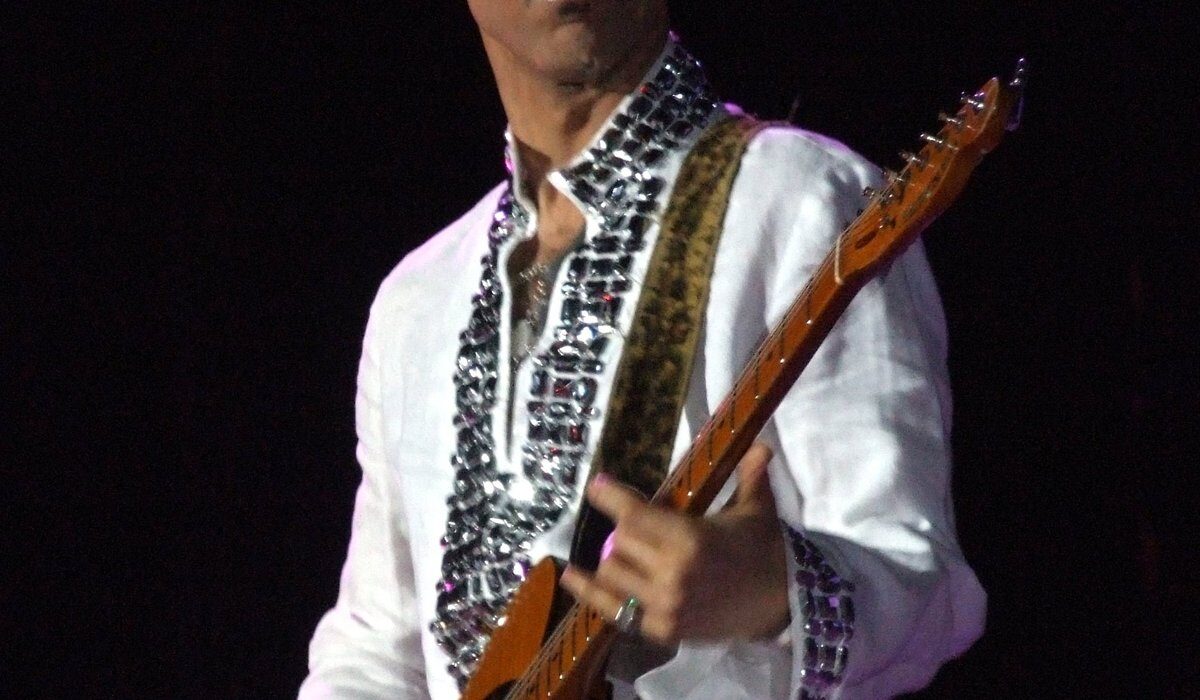
Compared with the debut, Prince widens the palette without abandoning one-man studio control: funk, quiet-storm ballads, and rock guitar sit on the same vinyl. André Cymone and other Minneapolis friends were already in the live orbit, but the record still reads as a solo construction. That tension – band on stage, Prince alone on tape – would explode on Dirty Mind a year later.
The takeaway is concrete: this is the album that turned Prince from a promising Warner signing into a chart name, carried by a falsetto hit and a sleeve you could spot across a record shop. Without I Wanna Be Your Lover, the dirtier shock of 1980 and the Revolution years are harder to explain to a mass audience.