Paisley Park in seven weeks
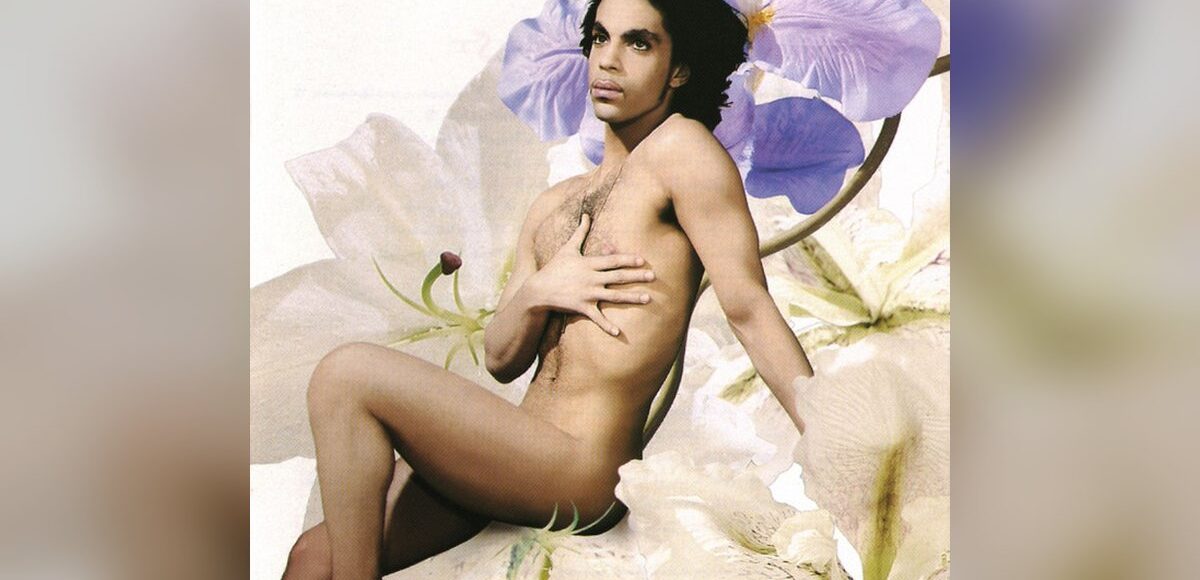
In May 1988, Lovesexy arrived like a fluorescent sermon after a near-miss with darkness. A week before The Black Album was due, Prince halted the release and, within roughly seven weeks at Paisley Park, cut a brighter tenth studio album for Paisley Park / Warner Bros. The sleeve shows him nude among flowers; the music welcomes a “new power generation” before the first groove lands. Sex and salvation share the same dance floor, and the band that rode Sign o’ the Times still jumps.
“Eye No” opens the gate. “Alphabet St.” spills letters across video screens and chart positions, a Thunderbird rolling through typography while a hidden frame whispers not to buy the abandoned black record. “Glam Slam”, “Anna Stesia”, and the title track braid lust with prayer until the closing “Positivity” asks for love, honesty, peace, harmony. The record thinks in one continuous weather: nightclub, pulpit, and street corner overlapping in the same bar.
What makes Lovesexy endure is the audacity of the pivot. Instead of doubling down on the raw Black Album mythology, Prince chose uplift without abandoning the dance floor. Contemporary critics heard playfulness and seriousness in the same breath. Decades later the album still sounds like a man arguing with himself out loud, then inviting the room to move.
Lovesexy, which is due in stores Monday, is at once Prince’s most playful-sounding and serious-minded album.
(Robert Hilburn, Los Angeles Times, 8 May 1988)
Spin it again and the flowerbed cover still shocks supermarket aisles, while “Alphabet Street” rearranges the groove under a gospel shout. Lovesexy is Prince after pitching the Black Album: funk bass, live-band swing, sermons that refuse a quiet fade. Paisley Park made the record fast. The argument was spiritual and rhythmic at once, and both parts still read on the tape.