Witness concept after the rebirth
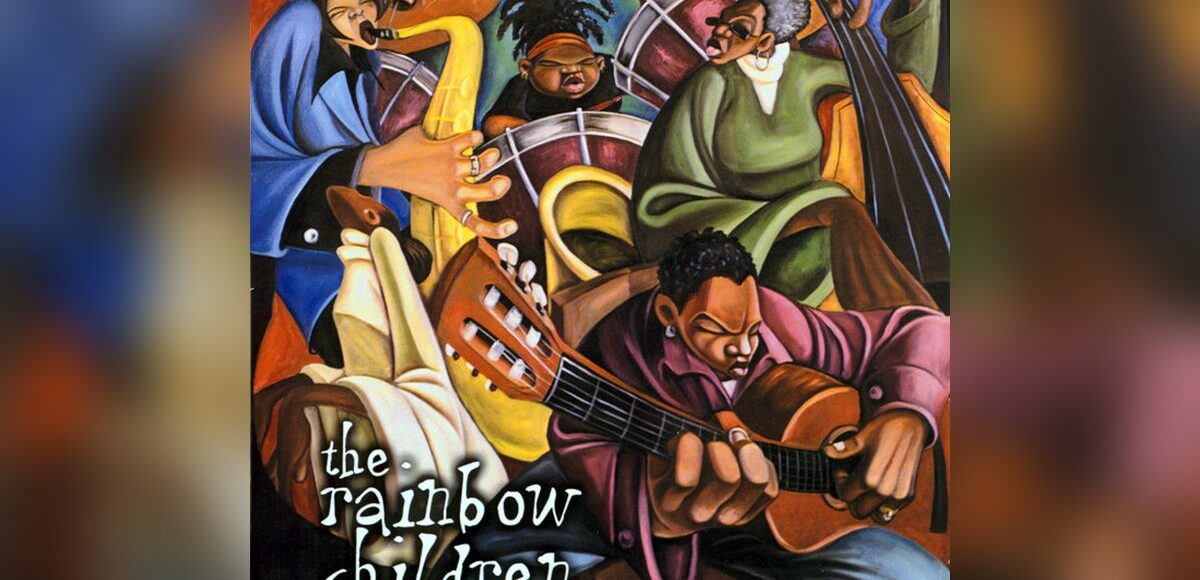
On 20 November 2001 NPG Records and Redline Entertainment released The Rainbow Children, after an October download drop for NPG Music Club members. Recorded largely at Paisley Park between September 2000 and June 2001, it is Prince’s first major retail set under the name Prince again after he had returned from the unpronounceable Love Symbol. The album runs as a continuous concept – spoken narration, Jehovah’s Witness-framed allegory, and long jazz-funk suites – across roughly sixty-nine minutes.
Drummer John Blackwell drives much of the record; Larry Graham appears on bass for key cuts including The Work, Pt. 1 and The Everlasting Now; Najee adds sax and flute; Clare Fischer contributes orchestration on the title suite. Hornheadz brass colours several mid-album tracks. Singles were scarce: The Work, Pt. 1 had already circulated via Napster and a CD single months earlier, with James Brown-styled falsetto shouts and a tight funk pocket; promo radio also pushed She Loves Me 4 Me and Last December.
Sonically the set leans into live band swing more than late-90s sample density: open drums, walking bass on Graham features, and long forms like the ten-minute title track, Family Name, and The Everlasting Now. The painted sleeve of a multi-generational band fits the jazz-club framing. Chart impact was modest next to 1980s peaks, but among hardcore listeners the album marked a clear post-Warner, post-symbol chapter – spiritual lyrics welded to serious musicianship rather than radio edits.
It was time to make a record that said what I believe, with musicians who could play it live every night.
(Prince on The Rainbow Children era / contemporary press framing)
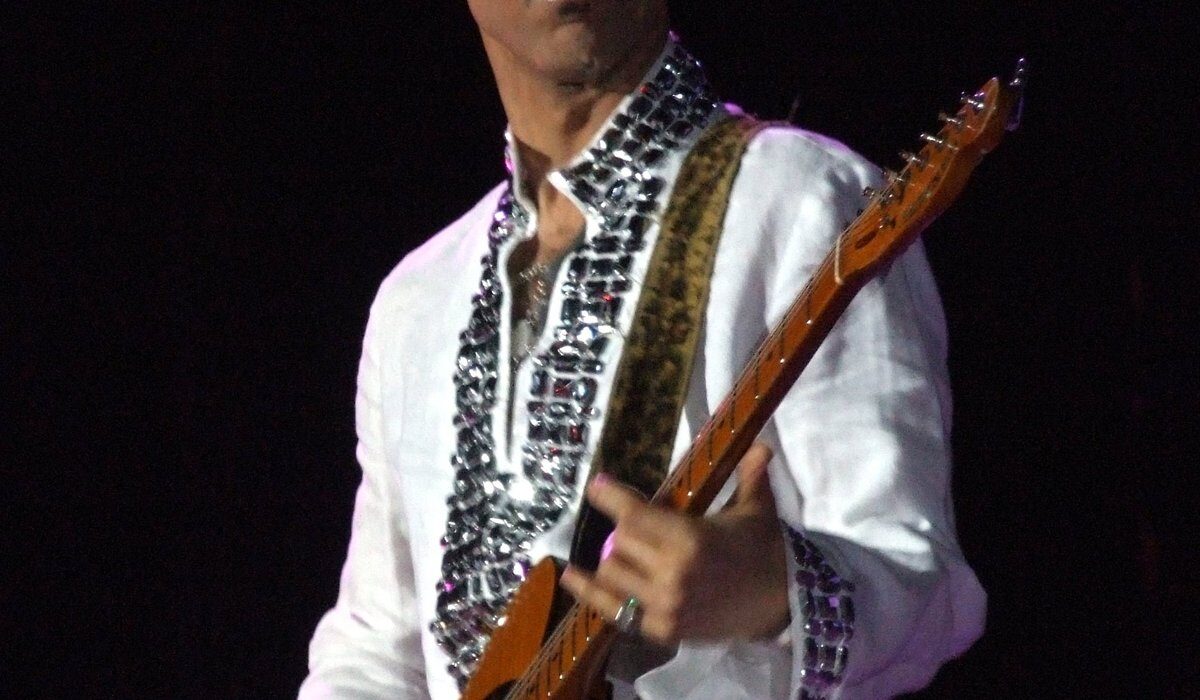
Live, One Nite Alone and related 2002 shows put these tunes into jazz-club and theatre settings, proving the material beyond the concept booklet. Later Legacy vinyl and streaming reissues kept the continuous sequence intact, including the untitled coda after Last December.
For the catalogue, The Rainbow Children is the concrete bridge from symbol-era independence into the 2000s band albums: Blackwell’s pocket, Graham’s slap, long-form funk, and a retail credit that again simply reads Prince.