Soundtrack that swallowed the summer
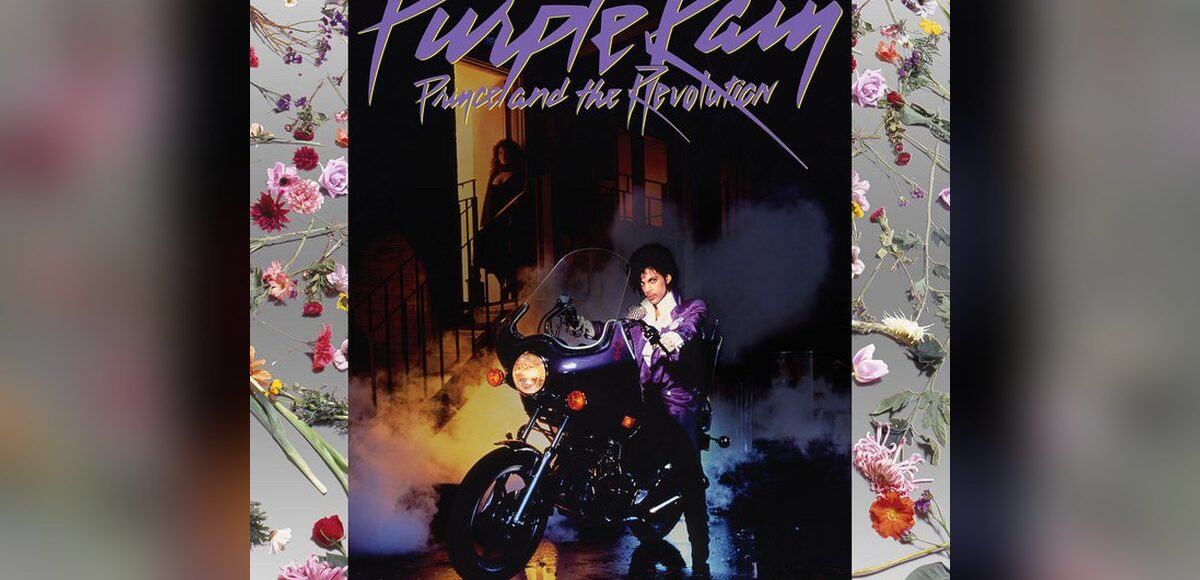
On 25 June 1984 Warner Bros. released Purple Rain, billed to Prince and the Revolution and sold as the soundtrack to the film of the same name. Sessions stretched from mid-1983 into early 1984 across Kiowa Trail, the Warehouse in St. Louis Park, Sunset Sound, and the Record Plant. Three songs – I Would Die 4 U, Baby I’m a Star, and the title track – were captured live at First Avenue in Minneapolis on 3 August 1983 with the Record Plant mobile truck. Wendy Melvoin and Lisa Coleman lock the band identity into the grooves beside Bobby Z., Brown Mark, and Dr. Fink.
Lead single When Doves Cry, released in May, became Prince’s first Hot 100 No. 1 and the top-selling US single of 1984 after he stripped the bass from the final mix. Let’s Go Crazy also hit No. 1; Purple Rain peaked at No. 2; I Would Die 4 U and Take Me with U kept the cycle on radio. Inside the album, The Beautiful Ones and Computer Blue build tension before Darling Nikki, the Tipper Gore / PMRC flashpoint. The motorcycle sleeve and purple branding fixed the image as tightly as the singles fixed the charts.
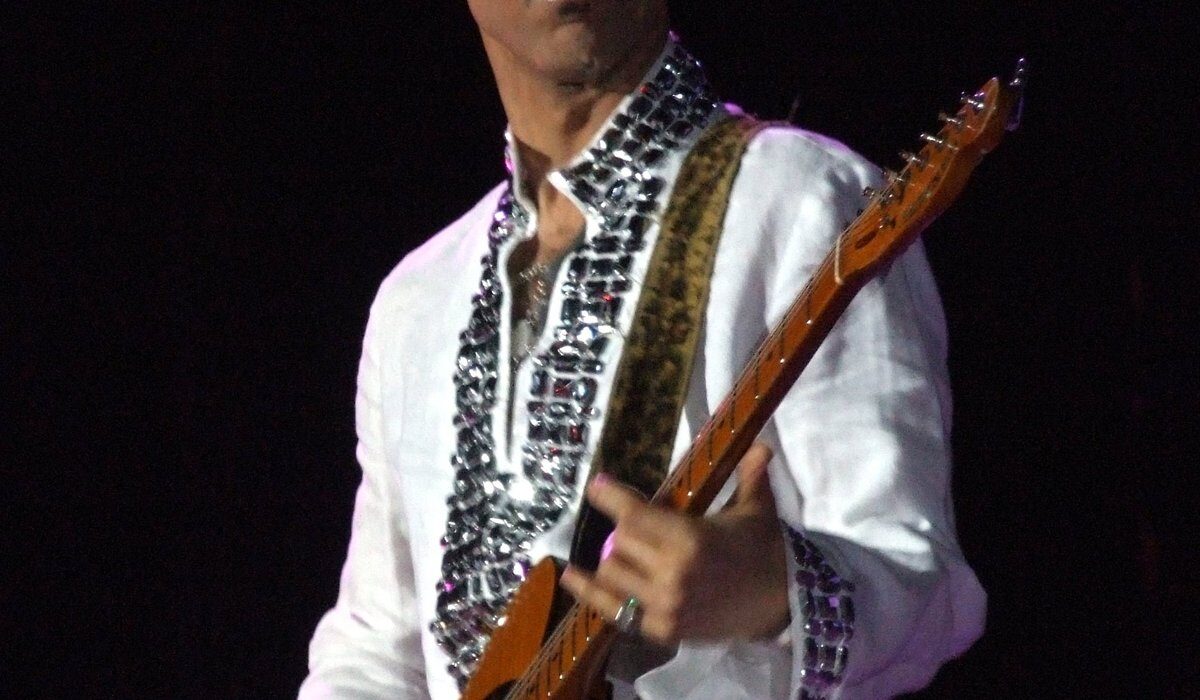
Commercially the album debuted high, reached Billboard 200 No. 1 on 4 August 1984, and stayed there for 24 weeks while the film packed theatres. Multi-platinum sales and Grammy / Oscar attention followed. Live, the Purple Rain tour scaled arenas around the Revolution’s fuller arrangements – denser guitars, stacked keys, and communal choruses far from the one-man Alpha Studios records of 1978-79.
It was like a magic bullet. He knew there was lightning in a bottle.
(Wendy Melvoin on Purple Rain, Billboard / Celebration interviews)
Critics heard a denser, more band-forward Prince than on 1999: psychedelic colour, rock guitar, and R&B balladry braided for MTV-era pop. The film made the songs narrative; the songs made the film a hit. Decades later, deluxe editions and anniversary campaigns keep returning to the same nine-track spine rather than rewriting it.
For Prince, Purple Rain is the concrete peak of the early-80s climb: First Avenue tape, a bass-free chart killer, a purple motorcycle sleeve, and half a year atop the Billboard 200. Everything after – psychedelic detours, symbol wars, vault floods – has to answer to this scale.