
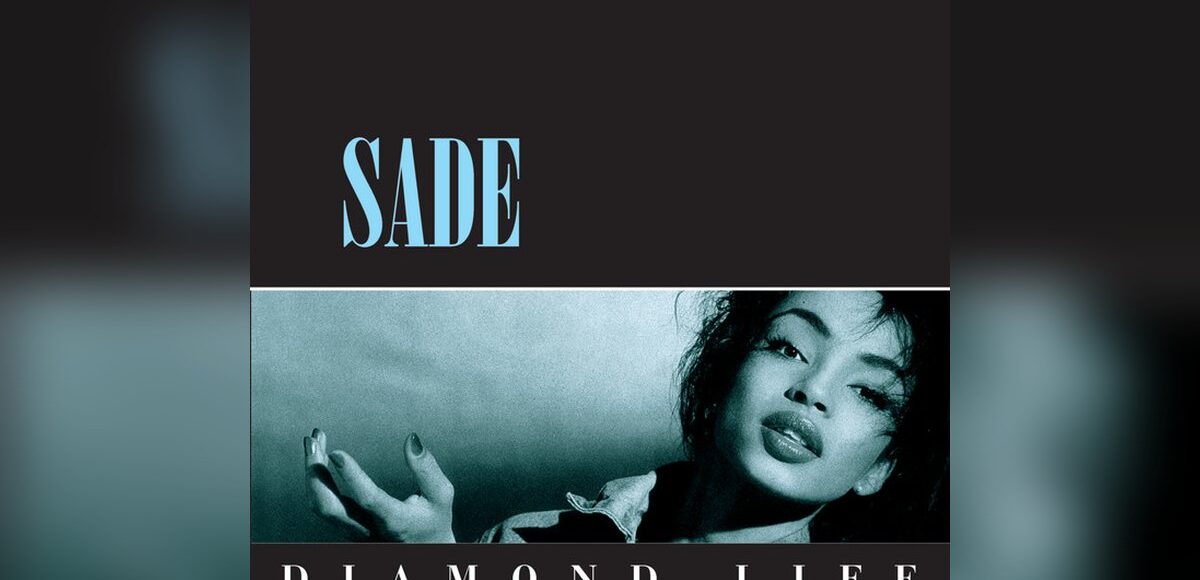
Six weeks at Power Plant
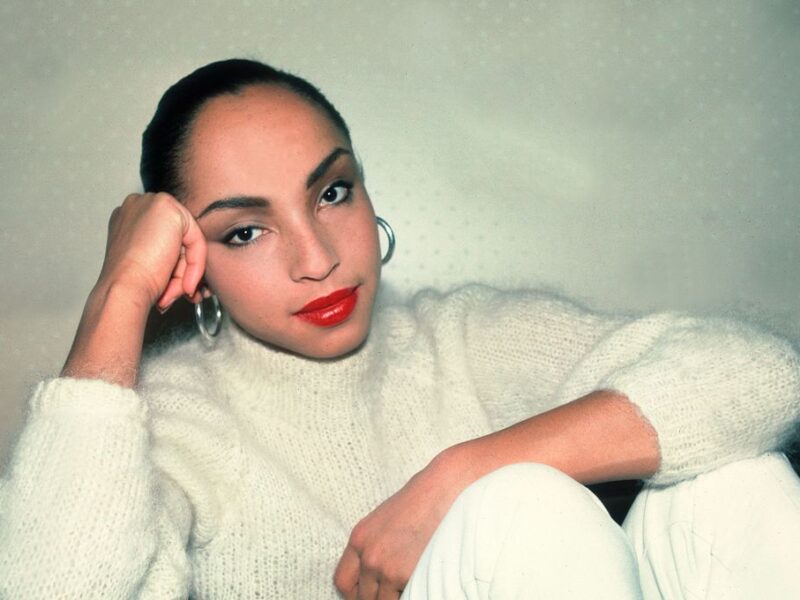
Sade Adu, Stuart Matthewman, Andrew Hale, and Paul S. Denman cut Diamond Life at Power Plant Studios in London across roughly six weeks in late 1983, with Robin Millar producing. Fifteen songs were tracked; nine made the finished Epic album, released in the UK on 16 July 1984. The band synced real piano and Fender Rhodes with care. The sleeve puts Adu’s cool portrait between bold type: SADE above, DIAMOND LIFE below. It is a debut that already sounds finished, not demo-like.
Your Love Is King, co-written by Adu and Matthewman, led the UK campaign and reached No. 6 on the UK Singles Chart. When Am I Going to Make a Living followed. Smooth Operator, written by Adu with Ray St. John from her earlier band Pride, became the international hinge: sax, bass, and a narrative about a charming operator who leaves wreckage behind. Hang On to Your Love opened the US door with a funkier pulse aimed at Black radio. The Timmy Thomas cover Why Can’t We Live Together closes the set in quiet-storm mode. Genres blur on purpose: soul, smooth jazz, sophisti-pop, and quiet storm share the same dry rooms.
Julien Temple’s video for Smooth Operator (lounge band, criminal plot, Amanda Pays) gave the single a visual that US MTV and late-night TV could loop. Live, the band kept tempos moderate and spaces wide; Adu’s delivery stayed conversational rather than belted. The Brit Award for Best British Album in 1985 confirmed what the charts already showed at home.
I was very confident, as you would be if you worked on something for four days and at the end what you had was Smooth Operator. Everyone was jumping up and down.
(Robin Millar, on the Power Plant sessions)

The album peaked at No. 2 in the UK and No. 5 on the US Billboard 200 after the American rollout. Smooth Operator reached No. 5 on the Hot 100 and topped Adult Contemporary. Worldwide sales later passed ten million, placing Diamond Life among the decade’s strongest debuts and locking Sade’s template: restraint, clarity, and songs built for late-night replay rather than peak-time shout.
The takeaway is structural. One studio, one producer, and a band that refused to crowd the vocal. Without Diamond Life, later quiet landmarks like Promise and Stronger Than Pride have less foundation. It remains the cleanest introduction to how Sade made understatement sound expensive.