
Power Plant and Miraval sequel
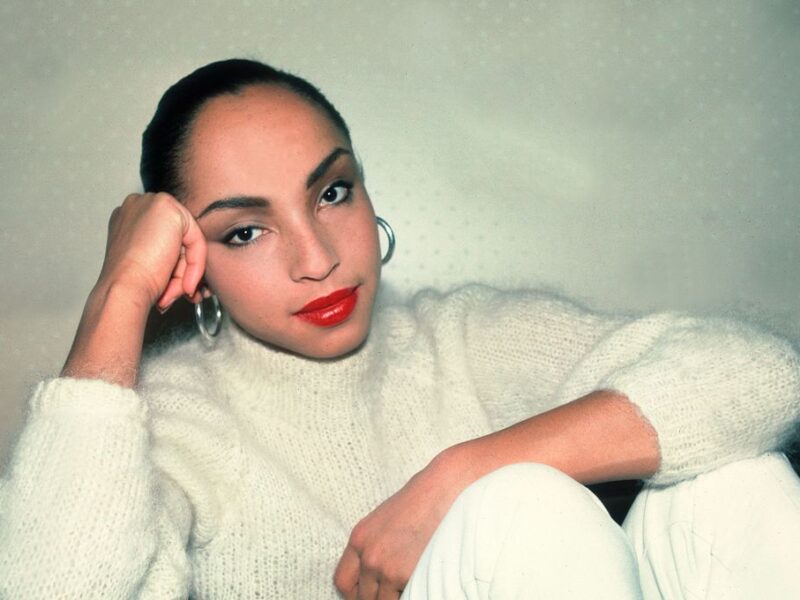
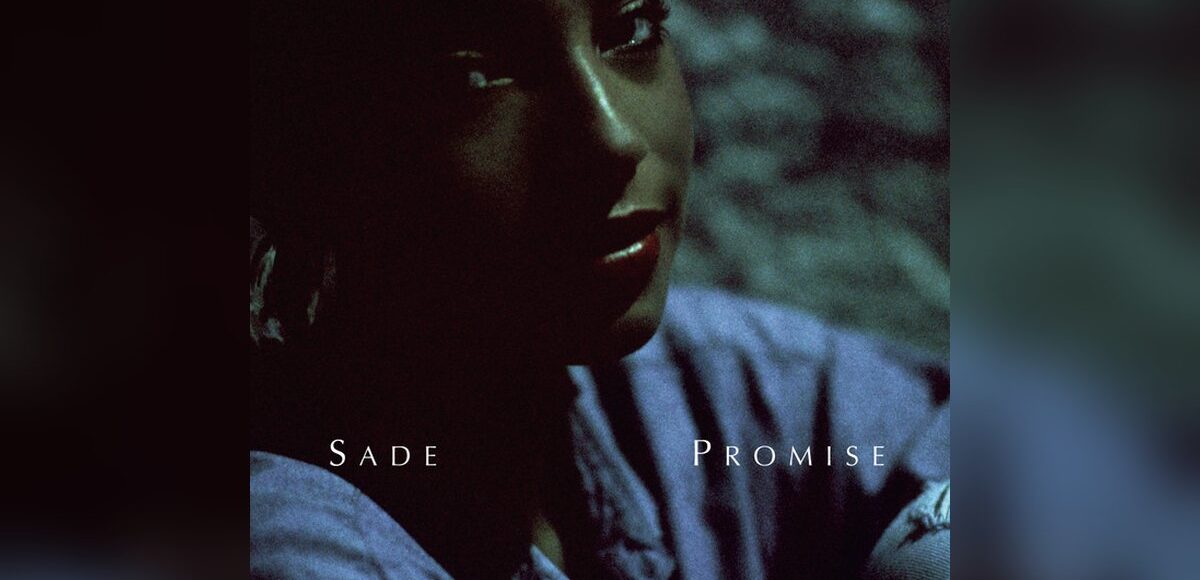
Promise arrived on 4 November 1985 in the UK on Epic, two weeks later in the US on Portrait. It was Sade’s second album, cut between February and August 1985 with the same core team as Diamond Life: Robin Millar, Mike Pela and Ben Rogan, the band co-producing. Most of the work happened at Power Plant in London; a two-week stretch at Studio Miraval in Provence gave the SSL desk a different room. The title comes from a letter by Adu’s father, who wrote about the “promise of hope” while recovering from cancer.
The set opens with Is It a Crime?, sax and bass already locked, then drops into The Sweetest Taboo, co-written with percussionist Martin Ditcham. War of the Hearts, Jezebel and Fear keep the temperature low and the storytelling sharp. Never as Good as the First Time and the closing Maureen show how far the quartet could stretch a groove without filling every bar. Dave Early and Ditcham handle drums and percussion; Terry Bailey and Pete Beachill add brass where Millar leaves a gap. Tracks were largely recorded live, with AMS sampling used sparingly rather than as a gimmick.
Commercially it was a machine. Promise debuted at No. 1 on the UK Albums Chart and held for two weeks; it also topped the Billboard 200. BPI platinum arrived within a fortnight; the RIAA later certified it four-times platinum. Lead single The Sweetest Taboo reached No. 5 on the Hot 100 and No. 1 Adult Contemporary. Is It a Crime? and Never as Good as the First Time followed. Brian Ward’s video for The Sweetest Taboo mixed a New York loft with Andalusian desert, the same Spain locations that fed the next clip.
You can wrap yourself up in the music and Adu’s soft-touch tone, recall or lament life and love through the lyrics, or fully immerse yourself with both.
(Naima Cochrane, Pitchfork, on Promise)

Decades on, Promise still reads as the template album: not a remake of Diamond Life, but the confirmation that the quiet method scaled. Pitchfork later scored it 9.0 and called it the ideal second record. When Soldier of Love topped the R&B albums chart in 2010, the gap back to this No. 1 set a longevity mark few bands bother to chase.
Put it on and the room still behaves. Bass round, sax as punctuation, voice never forced past the lyric. Promise did not invent Sade’s cool; it proved the cool could carry a chart war without changing clothes.