
Hansa loud again with Nick Launay
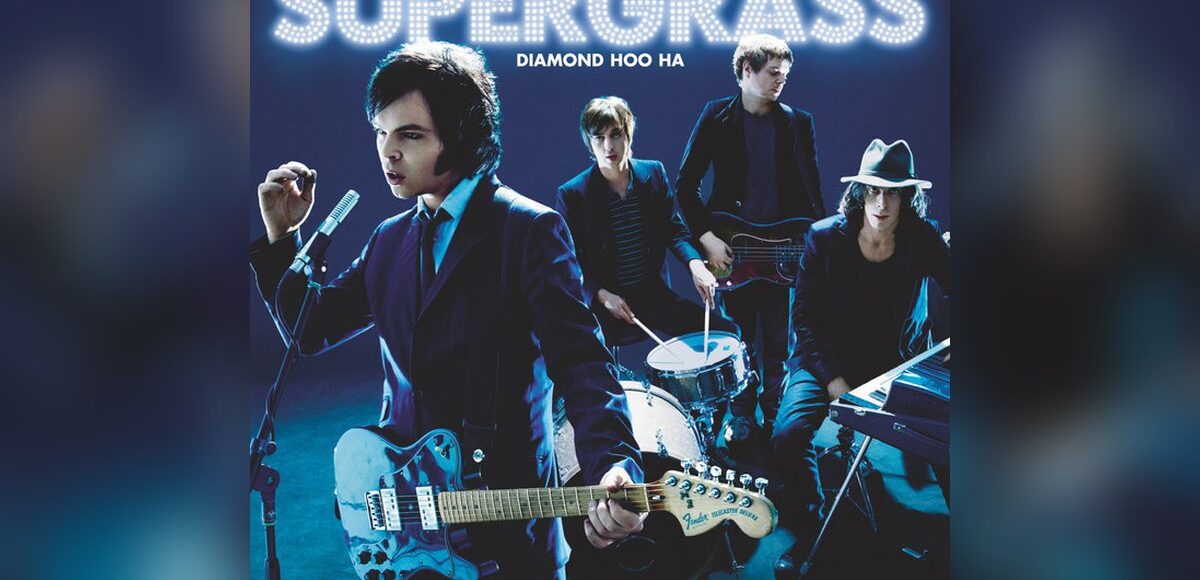
On 24 March 2008, Supergrass released Diamond Hoo Ha on Parlophone, their sixth and final studio album before the split. Sessions ran from January to November 2007 at Hansa Tonstudio in Berlin, the same rooms that once hosted Bowie’s Berlin period, with mixing finished in Los Angeles. Nick Launay produced. After the low-key Normandy mood of Road to Rouen, the brief was simple: keep Danny Goffey’s kit aggressive, let Mick Quinn’s bass push, and leave room for Rob Coombes’s keys without sanding the edges.
The singles map the mood. Diamond Hoo Ha Man arrived first in January 2008 as a free download, then as a proper single: glam stomp, Gaz Coombes in a comic-book persona, Charly Coombes already helping on the road as second guitar. Bad Blood followed in March with a Keith Schofield video and later turned up in Need for Speed: Undercover. Rebel in You, issued in June on the band’s own Supergrass Records after the EMI upheaval, closed the campaign as a limited vinyl run of 1,500. Chart-wise the album peaked at UK No.19, their lowest studio peak, yet the live shows that summer still treated the new songs as main-set material.
Sonically this is a city record. Guitars sit fuzzy and forward, drums crowd the center, and the mix stays dry enough to hear Goffey’s fills land hard. 345 and Rough Knuckles chase disorientation in the lyric; Whiskey & Green Tea and When I Needed You slow the pulse without losing the band’s punch. Launay’s credit list (PiL, Nick Cave, Midnight Oil) fits: he wanted the live Supergrass energy on tape rather than another pastoral experiment.
I know what you can do, and I’ve seen you do it, but I’d love to make a record where you all go for it.
(Nick Launay, quoted by Gaz Coombes on Diamond Hoo Ha)
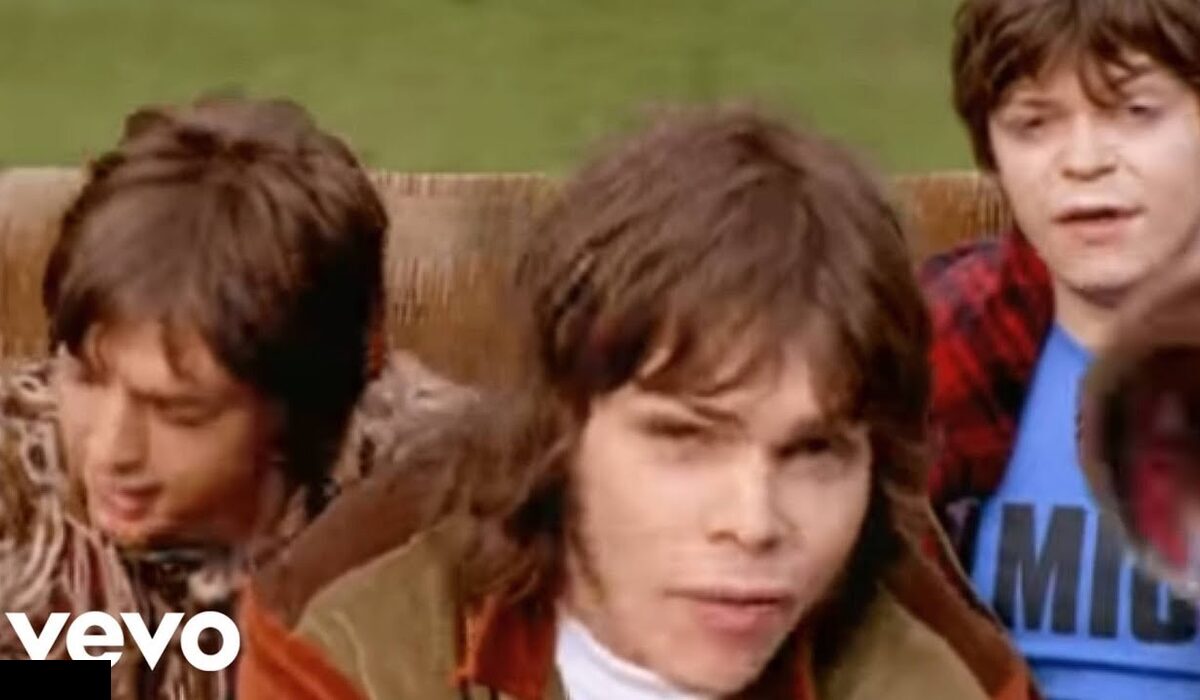
Outside the studio, 2008 was messy for the band. Parlophone’s corporate shuffle left Rebel in You stranded, and within a year Supergrass would leave EMI, sign to Cooking Vinyl, and begin the unfinished Release the Drones sessions before announcing the split in 2010. Retrospectively Diamond Hoo Ha reads as a last loud statement: less chart heat than Alright-era fame, more deliberate swagger than the Rouen countryside.
What remains useful is the clarity of intent. Supergrass did not try to rewrite Britpop nostalgia; they booked Hansa, hired a producer who liked their live volume, and cut eleven tracks that still jump when the kick hits. For a farewell studio chapter, that is a clean exit: neon guitars, tight drumming, and a title that refuses to apologize for fun.